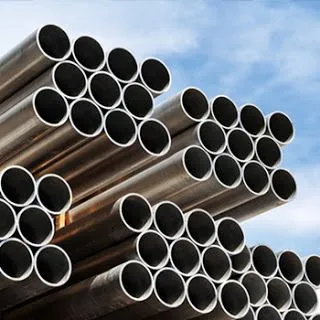
The Inconel 686 tube is a huge step forward in superalloy technology. It was specially made to work in the harshest, most corrosive conditions, where other materials would fail. This tube made of nickel, chromium, molybdenum, and tungsten is very resistant to pitting, crevice corrosion, and stress corrosion cracking in harsh chemical processing environments. Many different types of industries, from petrochemical plants to offshore marine platforms, depend on this superior alloy for important tasks where failure of the material could have terrible results and cost a lot of money.
Understanding Inconel 686 Tube: Composition and Key Properties
It's because their chemicals are perfectly matched that nickel-based superalloy tubes work so well. About 58% of Inconel 686 is nickel, 21% is chromium, 16% is molybdenum, and 4% is tungsten. There are also small amounts of iron and other elements. This advanced metallurgical formulation works together to give an unmatched level of corrosion protection.
Due to its excellent mechanical qualities, the material is required for use in demanding situations. With a minimum yield strength of 310 MPa and a tensile strength of over 690 MPa, these tubes can hold their shape even under the most extreme stress. With elongation values above 40%, the metal is very flexible, which means it can be made in a lot of different ways without losing its performance.
Another important benefit of this superalloy is that it doesn't change much with temperature. The temperature at which the machine is used can go up to 1000°C and still have great mechanical qualities and resistance to corrosion. The freezing point is between 1325°C and 1370°C, which gives a lot of safety for high-temperature uses. The best balance between strength and weight for aerospace and marine uses is a material density of 8.25 g/cm³.
The UNS N06686 designation makes sure that the specifications of the material are the same all over the world. In Europe, similar grades include 2.4606. This standardization makes it easier for international projects that need certified material traceability to buy things.
Manufacturing and Heat Treatment of Inconel 686 Tube
Modern ways of making things make sure that the quality and dimensions of superalloy tubes are always the same. The vacuum induction melting methods used by TSM Technology ensure that the metal is very clean and that the chemicals are spread out evenly throughout the structure.
The first step in the production process is to carefully check the makeup of high-quality nickel alloy ingots. During hot working processes, rotary piercing and pilger rolling are used to make tube blanks that are uniform and have even wall thickness. This method gets rid of the weld seams that might make corrosion resistance worse in harsh settings.
During cold drawing, the final dimensions are met, and the surface quality and mechanical traits are improved. Multiple passes through precise dies make sure that the outside diameter stays within a range of 6.0 to 114 mm and the wall thickness stays within a range of 0.5 to 15 mm. The longest length that can be made is 15,000 mm, which means that it can be used in a wide range of situations without needing extra joints.
Solution treatment is the most important part of heat treatment because it improves the microstructure and function. When you heat something to 1150–1200°C and then quickly cool it down with water, the precipitates melt away, leaving behind a uniform austenitic structure. This process makes the metal more resistant to corrosion while keeping its good mechanical qualities at high temperatures.
Quality assurance routines include thorough testing methods that check for dimensions, conduct chemical analysis, and confirm mechanical properties. Ultrasonic inspection and eddy current examination are two non-destructive testing methods that can find internal breaks and surface flaws that could affect how well something works.
Applications and Industry Use Cases for Inconel 686 Tubes
The main market for high-performance corrosion-resistant tubing is in the chemical processing businesses. Heat exchangers that work in sulfuric acid, hydrochloric acid, and phosphoric acid environments benefit a lot from this advanced alloy's better resistance qualities. These Inconel 686 tubes are important for keeping the process clean and preventing contamination in distillation columns and reactor tanks that deal with harsh chemicals.
For aerospace uses, you need materials that can handle big changes in temperature and mechanical stresses while still staying the same size. These superalloy tubes are used in turbine parts, structural elements, and important fasteners where weight reduction and durability are still the most important things. The material is very easy to weld, which makes complicated manufacturing processes easier and doesn't require any heat treatment after the welding process.
Hydrogen sulfide, carbon dioxide, and chloride-containing environments can be very hard for oil and gas production plants. These corrosion-resistant tubes are used in heat exchangers, piping networks, and processing equipment on offshore sites and refineries. In high-pressure situations, the material's resistance to stress rust cracking keeps it from breaking down too soon.
The alloy is very resistant to corrosion and biofouling in seawater, which is useful for marine building projects. If you build cooling system parts, desalination equipment, and remote structure parts out of this advanced material, they will last longer. When mechanical strength and corrosion resistance work together, they lower the cost of operations and upkeep.
Facilities that make electricity, like nuclear and geothermal plants, need materials that can handle being around toxic materials and high-temperature steam. In places where material dependability has a direct effect on operating safety and environmental compliance, like waste treatment systems and heat recovery equipment, these tubes are used.
Comparing Inconel 686 to Alternative Alloys for Corrosion Resistance Tubes
When deciding which materials to use, it's important to look at their performance, cost, and the needs of the particular application. Standard types of stainless steel work well in moderately corrosive environments, but they don't have the extra strength needed for harsh chemical processing environments.
Inconel 625 is stronger and more resistant to oxidation at high temperatures than Inconel 686, but it doesn't work as well in reducing acid conditions. Because it has more molybdenum and tungsten, 686 metal is better at resisting pitting and crevice corrosion, which is why it is the best choice for media that contain chloride.
Another option is Hastelloy C-276, which is similar and has similar corrosion resistance features. However, Inconel 686 tube is more stable at high temperatures and easier to weld, which makes it easier to make and lowers the costs involved. The lower carbon content of the material keeps carbide from forming during thermal cycling, so it keeps working the same way for longer amounts of time.
Total lifetime costs, not just the cost of buying the materials at the start, must be taken into account in cost analysis. Buying superalloy tubing costs more at first, but it usually ends up being cheaper in the long run because it lasts longer and needs less upkeep. When choosing materials, procurement professionals should look at the skills of the supplier, whether the certification requirements are met, and the availability of technical help.
When working on big projects that need constant access to materials, supply chain issues become very important. TSM Technology keeps a lot of goods on hand because it can make 300 tons of products every month across three factories. This feature guarantees dependable delivery times and meets the needs of urgent projects with normal wait times of 10 to 25 days.
Technical Support, Quality Assurance, and Best Practices
High-performance superalloy tubing needs full technical help throughout the whole project lifecycle in order to be put into use successfully. When welding, the process must take into account how the material expands and contracts at different temperatures and how easily it becomes sensitive to heat in certain areas. The best corrosion protection in service comes from properly preparing the joint, choosing the right filler metal, and cleaning up after the welding process.
How things are installed has a big effect on how well and how reliably they work in the long run. The right distance between supports keeps stress concentrations from getting too high while still letting heat expand. Keeping the surface clean during installation saves its integrity and keeps its corrosion-resistant properties. Damage is less likely to happen during building when workers are trained on how to handle different types of materials.
Different industries and uses have different quality certification standards. The aerospace and nuclear industries need the strictest paperwork. Material test certificates (MTCs) confirm the full chemical make-up and mechanical properties of each output lot. SGS testing reports provide independent confirmation of the properties of a material and its compliance with foreign standards such as EN 10095, ASTM B622, and ASME SB622.
Regular inspections should be a part of preventive maintenance programs to keep an eye on how well systems are working and find problems before they become major problems. Visual inspection, measuring dimensions, and non-destructive tests can help find wear patterns, corrosion effects, and mechanical damage. Early spotting makes it possible to use preventative maintenance methods that make equipment last longer and stop it from shutting down without warning.
TSM Technology offers full technical consulting services to help with things like choosing materials, application building, and fixing problems. Our team of metallurgical experts helps customers come up with unique welding procedures, fabrication suggestions, and quality control plans that are perfect for their projects.
Conclusion
The Inconel 686 tube technology is the best example of how to make a corrosion-resistant superalloy, and it works perfectly in the harshest industrial settings. The complex metallurgical makeup of the material and its advanced manufacturing methods make it very reliable for use in important applications in the energy, chemical processing, aerospace, and marine sectors. TSM Technology's dedication to quality excellence, full technical help, and the ability to supply products all over the world ensures that projects are completed successfully. This advanced superalloy gives engineers the performance assurance they need when a material failure is not a choice.
FAQs
What makes Inconel 686 tube better for places where rust is bad?
Adding molybdenum and tungsten makes stainless steel very resistant to pitting, crevice corrosion, and stress corrosion cracking in harsh chemical environments where regular stainless steels fail.
Can Inconel 686 tubes handle being exposed to temperatures above 1000°C for a long time?
Yes, these superalloy tubes can withstand continuous temperatures of up to 1000°C and short-term exposures even higher. They still have great mechanical qualities and don't corrode.
Is there a way for me to check the grade and certification of Inconel 686 tubes?
Ask for independent SGS test results and material test certificates (MTCs) that show the chemical make-up, mechanical properties, and compliance with international standards like ASTM B622 and ASME SB622.
Partner with TSM Technology for Superior Inconel 686 Tube Solutions
TSM Technology is your reliable source for Inconel 686 tubes. With 14 years of experience working with superalloys and three specialized manufacturing sites, they can make any tube you need. Our wide range of products includes both seamless and welded designs with unique sizes from 6 mm to 114 mm in diameter and 0.5 mm to 15 mm in wall thickness. We meet tight delivery dates while keeping quality high thanks to eight dedicated production lines and more than 100 precise tools.
We are committed to excellence in more ways than just manufacturing. We have extensive quality assurance programs and foreign certifications such as ISO 9001, AS9100D, and AS9120. Every tube goes through a lot of tests, such as an ultrasonic review, a chemical analysis, and a check of its mechanical properties. Material traceability paperwork with MTC and SGS reports makes sure that the strictest industry standards are met.
Partnering with TSM Technology has benefits like low prices, the ability to change order amounts, and dependable global logistics support. Our 50,000□ modern building has 85 CNC lathes and other specialized equipment, as well as high-tech quality labs. Options for treating the surface, such as grinding, electropolishing, and chemical passivation, give the best performance for a wide range of uses.
Are you ready to make your project more reliable with top-notch superalloy solutions? Email us at info@tsmnialloy.com to talk about your unique needs and get technical advice from experts. Our experienced team helps you with everything, from choosing the right materials to delivering them, so they work perfectly in your toughest tasks.
References
Davis, J.R. "Nickel, Cobalt, and Their Alloys." ASM Specialty Handbook, ASM International, Materials Park, Ohio, 2000.
Crook, P. "Nickel-Based Alloys for Corrosion Service." Advanced Materials & Processes, Vol. 159, No. 4, 2001.
American Society for Testing and Materials. "Standard Specification for Seamless Nickel and Nickel-Cobalt Alloy Tubes." ASTM B622-19, West Conshohocken, Pennsylvania, 2019.
Rebak, R.B. "Alloy 686 - A Superior Alloy for Aggressive Environments." Materials Performance, Vol. 39, No. 3, 2000.
Tuthill, A.H. "Guidelines for the Welding of Nickel Alloys for Corrosion Resistant Service." Nickel Development Institute Technical Series, No. 10072, 1994.
Sedriks, A.J. "Corrosion of Stainless Steels and Nickel Alloys in Aggressive Environments." Materials Technology Institute Publication No. 45, 1998.