- English
- French
- German
- Portuguese
- Spanish
- Russian
- Japanese
- Korean
- Arabic
- Greek
- German
- Turkish
- Italian
- Danish
- Romanian
- Indonesian
- Czech
- Afrikaans
- Swedish
- Polish
- Basque
- Catalan
- Esperanto
- Hindi
- Lao
- Albanian
- Amharic
- Armenian
- Azerbaijani
- Belarusian
- Bengali
- Bosnian
- Bulgarian
- Cebuano
- Chichewa
- Corsican
- Croatian
- Dutch
- Estonian
- Filipino
- Finnish
- Frisian
- Galician
- Georgian
- Gujarati
- Haitian
- Hausa
- Hawaiian
- Hebrew
- Hmong
- Hungarian
- Icelandic
- Igbo
- Javanese
- Kannada
- Kazakh
- Khmer
- Kurdish
- Kyrgyz
- Latin
- Latvian
- Lithuanian
- Luxembou..
- Macedonian
- Malagasy
- Malay
- Malayalam
- Maltese
- Maori
- Marathi
- Mongolian
- Burmese
- Nepali
- Norwegian
- Pashto
- Persian
- Punjabi
- Serbian
- Sesotho
- Sinhala
- Slovak
- Slovenian
- Somali
- Samoan
- Scots Gaelic
- Shona
- Sindhi
- Sundanese
- Swahili
- Tajik
- Tamil
- Telugu
- Thai
- Ukrainian
- Urdu
- Uzbek
- Vietnamese
- Welsh
- Xhosa
- Yiddish
- Yoruba
- Zulu
Nickel Screws for Chemical Processing Equipment: Key Benefits
Nickel screws stand out as the best option for engineers and procurement workers working in corrosive environments when choosing fasteners for chemical processing equipment. High-quality nickel alloys like Monel, Inconel, Incoloy, and Hastelloy are used to make these specialized fasteners. They offer unmatched resistance to corrosion and mechanical power in the toughest industrial settings. Nickel-based fasteners are essential for keeping equipment in refineries, petrochemical plants, and offshore platforms safe because they have better properties than normal materials.
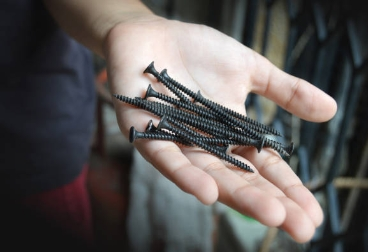
Understanding Nickel Screws and Their Advantages in Chemical Processing
Chemical processing settings have their own problems that need special ways to hold things together. Nickel-based screws are the best for situations where equipment is constantly exposed to harsh temperatures, acidic and alkaline solutions, and other things that would quickly break down other materials.
Fundamental Properties of Nickel Alloy Fasteners
The unique mechanical makeup of nickel alloy screws is what makes them work so well. Stress-corrosion cracking is a major failure mode in chemical processing equipment that happens when mechanical stress meets corrosive media. These bolts are very resistant to this failure mode. Due to the chromium in many nickel alloys, a protective oxide layer forms that heals itself when it gets broken. This makes the alloys resistant to corrosion.
Specialized processing is used to make the microstructure of heat-treated nickel metal screws better so they are stronger and last longer. The grain structure is changed by solution treatment, annealing, and aging methods so that the metal has the right mechanical properties for its intended use. This controlled metallurgy makes sure that the metal works the same way even when the temperature and pressure change, which is typical in chemical processing.
Superior Performance Characteristics
Nickel-based screws work great in places where chemicals and changes in temperature make working conditions very tough. These materials keep their mechanical qualities at temperatures above 1000°F, and their coefficient of thermal expansion is very close to that of many materials used in process equipment. This means that thermal stress concentrations are kept to a minimum.
Some nickel alloys are very useful in uses that need sensitive instruments or magnetic resonance equipment because they are not magnetic. Because they are electrically conductive, they can also be used for grounding and other scenarios where the electrical properties need to be controlled.
Chemical Compatibility and Environmental Resistance
Different nickel metals are better at withstanding certain chemicals. Monel alloys are very resistant to hydrofluoric acid and alkaline solutions, and Inconel metals work really well in places where oxygen is being released at high temperatures. Hastelloy compositions are better at withstanding reducing acids and mixed chemical conditions that are common in complicated processing steps.
Comprehensive Comparison: Nickel Screws vs. Alternative Fasteners
In chemical processing plants, the choice of fasteners has a direct effect on how long equipment lasts and how much it costs to maintain. Knowing a lot about the differences in important performance lets you make smart purchasing choices that lower both the initial cost of purchase and the long-term costs of running the business.
Corrosion Resistance Performance Analysis
Standard stainless steel fasteners work fine in light chemical environments, but they break down quickly in chloride-rich solutions or reducing acids. Nickel metals work better in these tough conditions and often last decades, while stainless steel fasteners need to be replaced every few months.
When it comes to corrosion resistance, titanium fasteners are great, but they tend to gall and aren't always available in common configurations. Brass and bronze alternatives aren't strong enough for high-pressure uses, and they don't work well in acidic settings either.
Case studies from petrochemical plants show that nickel screws keep their structural integrity after 15 to 20 years of use in places where other materials would have failed in two to three years. This difference in speed saves a lot of money because it means less downtime for maintenance and replacements.
Mechanical Performance and Fatigue Characteristics
Nickel metals are strong for their weight, so they can use smaller fasteners without affecting the strength of the joint. This feature is very useful in applications that need to be light or that need fasteners that can be packed away easily.
Fatigue resistance is an important performance factor for equipment that is heated and cooled and vibrates. Nickel alloys have a longer fatigue life than stainless steel options. They keep working well even when they are loaded and unloaded many times, which would cause other materials to fail early.
Cost-Effectiveness Analysis for Bulk Procurement
Nickel alloy fasteners are more expensive at first than fasteners made of other materials, but lifetime cost analysis always shows that nickel-based solutions are better for chemical processing. Less frequent maintenance, longer machine uptime, and no more emergency replacements lead to big operational savings that balance out the higher costs of the materials at first.
Through volume discounts and lower transaction costs, bulk procurement methods make costs even more efficient. By building relationships with qualified nickel alloy suppliers, you can get access to services like custom manufacturing and expert support that make the total value proposition stronger.
Procurement Considerations for Nickel Screws in B2B Chemical Processing Markets
To successfully buy specialized nickel fasteners, you need to know about the material requirements, the supplier's skills, and the quality control needs that are unique to chemical processing.
Material Grade Selection and Specification Requirements
The right way to choose a material starts with a full study of the service conditions, such as the temperature ranges, chemical exposure profiles, and mechanical loading needs. Different grades of nickel alloy have different performance qualities that work best in certain settings.
Specifications for threads must take into account the effects of thermal expansion and the possibility of galling that are common in nickel metals. Specialized thread treatments and lubrication systems keep installation problems from happening and make sure that the right joint pressure is reached.
Corrosion resistance classification systems make it easy to match the qualities of a material with its functional needs. Knowing about these classification systems helps you make accurate specifications and talk to suppliers.
Supplier Evaluation and Quality Assurance
To find good suppliers, you need to look at their manufacturing skills, quality systems, and industry qualifications. TSM Technology meets the high standards that people expect from companies that make high-quality nickel metal fasteners. They have over 14 years of experience and thorough quality control systems that make sure their products always work well.
Product quality and delivery dependability are directly affected by the capabilities of the manufacturing site. Modern factories with precision machining centers, CNC lathes, and thread rolling machines make it possible to make fasteners that meet the strict tolerance needs needed for important uses.
Certification Requirements and Traceability
For legal compliance and quality assurance reasons, chemical processing applications often need a lot of paperwork and the ability to track things back to their source. Certifications according to EN10204 3.1/3.2 make it possible to track materials and provide test results that are needed for many projects.
Third-party inspection reports give extra quality security for important uses where a fastener failing could cause safety issues or environmental releases. These papers give third-party confirmation of the properties and measurements of the material.
Best Practices for Using and Maintaining Nickel Screws in Chemical Processing Equipment
When used in harsh chemical processing settings, nickel screws work best and last as long as they are installed, maintained, and fixed correctly.
Installation Guidelines and Torque Management
When you use the right amount of torque, you can avoid both under-tightening, which can damage the joint, and over-tightening, which can damage the threads or concentrate stress. Because nickel metals and stainless steel have different frictional and yield strengths, they usually need different torque values.
The corrosion-resistant surface finish is important for long-term performance, and it can be kept by following the right handling steps. It is possible for carbon steel tools or rough treatment to damage the protective oxide layer, which can speed up corrosion in service.
Fasteners are less likely to get damaged during assembly when special installation tools are used. Anti-seize materials made for high-temperature use stop galling while still being chemically compatible with process media.
Preventive Maintenance and Inspection Procedures
Scheduling regular inspections lets you find possible problems early, before they get so bad that they break. By looking for signs of rust, mechanical damage, or loosening, you can spot problems before they get too bad.
Critical bolts can have internal flaws or damage caused by stress found using non-destructive testing methods like ultrasonic examination and magnetic particle inspection. These methods work especially well for nickel screws used in high-stakes situations where failure could cause major problems with operations.
Troubleshooting Common Technical Issues
Magnetism effects in fasteners that are meant to be nonmagnetic usually happen because they get work hardened while being installed or because magnetic materials get into them. These problems can be kept to a minimum by choosing the right materials and treating them in the right way.
Problems with electrical crosstalk are usually caused by galvanic coupling between metals that are not the same or by poor grounding connections. Knowing how the electrical properties of different nickel alloys work lets you build systems correctly and fix problems quickly.
TSM Technology: Your Premier Nickel Alloy Fastener Partner
TSM Technology has become a top company in the chemical processing business for making and selling high-quality nickel alloy fasteners. Because we can make a lot of different things and are dedicated to quality, engineers and procurement workers all over the world choose us as their partner of choice.
Manufacturing Excellence and Capacity
Our cutting-edge building is 3,200 square meters and has more than 100 precise machines, such as modern 5-axis machining centers, CNC lathes, and equipment for rolling threads. With this large manufacturing infrastructure, fasteners from M2.5 to M32 can be made in regular configurations. Custom sizes up to 1990mm in length are also possible.
The building has three separate production lines that can make between 100,000 and 300,000 pieces at a time. This makes sure that there is a steady supply for both regular maintenance and large-scale projects. Modern systems for planning production make sure that deliveries happen on time, usually between 10 and 25 days, based on how complicated the order is and how many items are being sent.
Comprehensive Product Range and Customization Services
The nickel alloys needed for chemical handling are all in our product line. These include Monel, Inconel, Incoloy, and Hastelloy compositions. To make sure it meets foreign standards like ASTM, DIN, JIS, BS, and GB/T, each grade of alloy goes through strict quality control tests.
Through reverse engineering services and specialized heat treatment methods, custom manufacturing can meet the needs of each application. Solution treatment, annealing, and aging processes are used to make sure that the material's properties are best for its intended use. Custom thread configurations are used to meet the needs of non-standard equipment.
Fast prototyping services can get you sample screws in five to seven days to help with testing and verifying projects. This quick response feature cuts down on project timelines and makes sure that the right materials are chosen before they are bought in bulk.
Quality Assurance and Certification Standards
Our quality control system covers the whole process of making something, from getting the raw materials to inspecting the finished product and delivering it. Professional inspectors test each batch of products using high-tech tools to make sure they meet specifications for size, strength, and surface finish.
All of our goods come with certification paperwork for EN10204 3.1/3.2, and if you need an independent quality check, you can ask for third-party inspection reports. This detailed paperwork helps chemical processing sites meet regulatory compliance and quality assurance standards.
Traceability systems keep track of each lot of products from where the raw materials come from to where they are delivered. This lets you respond quickly to any quality issues and helps with maintenance and inspections throughout the lifecycle of the product.
Conclusion
Nickel screws are the best way to attach things to chemical processing equipment that will be used in harsh settings and with corrosive chemicals. Their better resistance to rust, mechanical strength, and temperature tolerance make them much better than regular fastener materials. This means that equipment lasts longer and costs less to maintain. A thorough comparison with other materials shows clear performance benefits that make the initial investment worthwhile through lower lifecycle costs and higher operating reliability. Chemical processing applications need high-quality products that meet strict quality standards. To get these products, you need to follow good buying practices, such as carefully choosing your suppliers and setting quality assurance standards.
FAQ
1.What makes nickel screws superior to stainless steel fasteners in chemical processing?
Nickel alloy fasteners offer enhanced corrosion resistance in aggressive chemical environments, particularly those involving chlorides, acids, and high temperatures. While stainless steel performs adequately in mild conditions, nickel alloys maintain structural integrity in environments where stainless steel experiences rapid degradation.
2.Are nickel alloy fasteners magnetic, and does this affect equipment operation?
The magnetic properties of nickel fasteners depend on the specific alloy composition and heat treatment. Pure nickel and certain alloy compositions exhibit non-magnetic characteristics, making them suitable for applications involving sensitive instrumentation or magnetic resonance equipment.
3.What torque specifications should be used for nickel alloy fasteners?
Nickel alloys typically require modified torque values compared to stainless steel due to differences in friction characteristics and mechanical properties. Consulting manufacturer specifications and using appropriate anti-seize compounds ensures proper joint preload without risk of thread damage.
4.How can I verify the corrosion resistance of nickel fasteners before procurement?
Corrosion resistance verification involves reviewing material certifications, test reports, and compliance with relevant ASTM or other international standards. Third-party inspection reports provide independent confirmation of material properties and chemical composition.
Partner with TSM Technology for Superior Nickel Screws
TSM Technology stands ready to support your chemical processing equipment requirements with premium nickel screws manufactured to the highest quality standards. Our team of metallurgical experts and application engineers provides comprehensive technical support to ensure optimal fastener selection for your specific operating conditions. Contact us at info@tsmnialloy.com to discuss your requirements and request custom samples that demonstrate our commitment to excellence. As a trusted nickel screws manufacturer with over 14 years of industry experience, we offer unmatched expertise in superalloy fasteners that enhance equipment reliability and operational efficiency.
References
Davis, J.R. "Nickel, Cobalt, and Their Alloys: Properties and Applications in Chemical Processing Equipment." ASM International Materials Handbook, 2018.
Thompson, M.K. "Corrosion Resistance of Nickel-Based Fasteners in Chemical Processing Environments." Journal of Materials Engineering and Performance, Vol. 29, 2020.
Anderson, P.L. "Fatigue Performance of Nickel Alloy Fasteners Under Cyclic Loading Conditions." International Journal of Pressure Vessels and Piping, 2019.
Wilson, R.S. "Best Practices for Fastener Selection in Corrosive Chemical Processing Applications." Chemical Engineering Progress Magazine, 2021.
Martinez, C.A. "Economic Analysis of Fastener Material Selection in Petrochemical Facilities." Process Safety Progress, Vol. 40, 2021.
Brown, K.M. "Quality Assurance and Testing Standards for Nickel Alloy Fasteners in Critical Applications." ASTM International Standards Development, 2020.
Learn about our latest products and discounts through SMS or email