- English
- French
- German
- Portuguese
- Spanish
- Russian
- Japanese
- Korean
- Arabic
- Greek
- German
- Turkish
- Italian
- Danish
- Romanian
- Indonesian
- Czech
- Afrikaans
- Swedish
- Polish
- Basque
- Catalan
- Esperanto
- Hindi
- Lao
- Albanian
- Amharic
- Armenian
- Azerbaijani
- Belarusian
- Bengali
- Bosnian
- Bulgarian
- Cebuano
- Chichewa
- Corsican
- Croatian
- Dutch
- Estonian
- Filipino
- Finnish
- Frisian
- Galician
- Georgian
- Gujarati
- Haitian
- Hausa
- Hawaiian
- Hebrew
- Hmong
- Hungarian
- Icelandic
- Igbo
- Javanese
- Kannada
- Kazakh
- Khmer
- Kurdish
- Kyrgyz
- Latin
- Latvian
- Lithuanian
- Luxembou..
- Macedonian
- Malagasy
- Malay
- Malayalam
- Maltese
- Maori
- Marathi
- Mongolian
- Burmese
- Nepali
- Norwegian
- Pashto
- Persian
- Punjabi
- Serbian
- Sesotho
- Sinhala
- Slovak
- Slovenian
- Somali
- Samoan
- Scots Gaelic
- Shona
- Sindhi
- Sundanese
- Swahili
- Tajik
- Tamil
- Telugu
- Thai
- Ukrainian
- Urdu
- Uzbek
- Vietnamese
- Welsh
- Xhosa
- Yiddish
- Yoruba
- Zulu
How to Weld Inconel 690 Sheet Without Cracking?
To successfully weld Inconel 690 sheet without it cracking, you need to carefully manage the heat, control the welding settings, and make sure the sheet is properly prepared before the join. Because of how this nickel-chromium superalloy is made, it needs to be handled properly to avoid hot cracking and stress-corrosion problems common in high-temperature settings. To achieve crack-free joints that retain the material's excellent corrosion-resistant qualities, it's important to keep interpass temperatures under control, use the right filler materials, and follow the appropriate post-weld heat treatment methods.
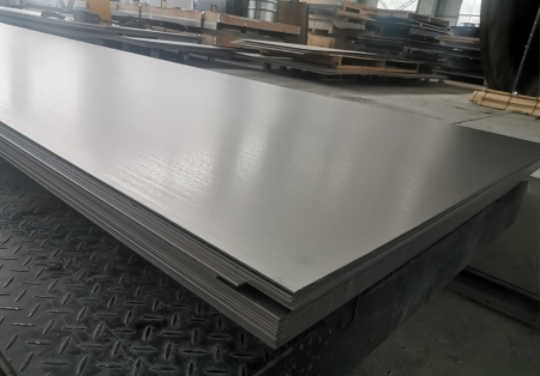
Understanding the Challenges of Welding Inconel 690 Sheet
Because of how complicated its mechanical behavior is during heat cycles, this nickel-based superalloy is very hard to weld. Concerns are raised by engineers and procurement experts in many fields, from nuclear power to chemical processing, about how easily the material can crack in different ways.
Hot Cracking Susceptibility in High-Temperature Applications
Nickel-chromium metals have problems when they solidify because they contain a lot of chromium. As the weld pool cools, thermal forces form because the base material and joint metal contract at different rates. These pressures build up at the edges of grains, where low-melting-point stages can form. This makes weak spots that are likely to crack.
This problem is made worse by differences in temperature that happen during welding. Rapid cooling can trap leftover loads in the weld zone, and too much heat can make grains grow and make the metal less flexible. In important situations where failure could have terrible results, understanding these thermal mechanics is necessary to keep the weld's integrity.
Stress Corrosion Cracking Mechanisms
When working with corrosion-resistant metals, environmental factors make welding even harder. When aggressive media are exposed to materials that have been stressed during welding, they can cause stress corrosion cracking, even in materials that are made to work in hard conditions. This effect is especially strong on parts that work in chemical processing equipment and high-temperature water systems.
Welding changes the microstructure of the material, which changes how stable the passive film is. Different electrochemical behavior may be seen in heat-affected zones compared to the base metal. This can lead to galvanic coupling effects that speed up localized rusting. To keep the alloy's natural resistance to rust, the right way to weld it must take these mechanical changes into account.
Proven Techniques for Welding Inconel 690 Sheet Without Cracking
For welding to go well, there needs to be a plan that covers every part of the joining process. From the first step of preparation to the last check, every step helps make sure that the welds are crack-free and keep the material's great performance qualities.
Pre-Welding Preparation and Joint Design
Surface cleaning is one of the most important ways to stop cracking caused by contamination. There should be no oils, oxides, or other foreign materials on any surface that could affect the quality of the weld. Using stainless steel brushes for mechanical cleaning gets rid of surface oxides, and fluid degreasing gets rid of biological contaminants.
Joint preparation includes making sure that the groove angles and root holes are just right so that the root can go all the way through without using too much heat. By beveling edges at certain angles, you can make sure that welding torches can get to them easily and that there isn't too much control that could cause breaking stresses. Root face measurements must find a balance between the need for entry and the amount of heat that can be put in.
Here are the important steps you must take before welding to make sure you get the best weld quality:
- Surface cleaning protocols: Get rid of all the dirt and grime using special stainless steel tools so that carbon steel tools don't cross-contaminate and add carbide-forming elements
- Joint geometry optimization: include 60–75-degree curves in the design of bevels to allow enough entry while reducing the amount of heat needed for full penetration
- Fit-up tolerances: Keep gap sizes the same, within ±0.5mm, to make sure heat is distributed evenly and stop burn-through or lack of entry flaws
- Backing gas arrangements: Set up systems for removing inert gas to keep root surfaces from oxidizing during welding
By getting rid of the factors that often cause flaws to form in high-alloy materials, these initial steps lay the groundwork for successful welding.
Welding Process Selection and Parameter Control
Gas Tungsten Arc Welding (GTAW) is the best way to join thin to medium-thick Inconel 690 sheets because it lets you precisely control the heat. The concentrated arc does a great job of controlling puddles, and the inert gas protection keeps the weld metal and heat-affected areas clean from outside contaminants.
To choose the right current, you have to weigh the needs for entry against the limits on heat intake. When compared to high-current, high-speed methods, lower amperage sets with slower motion speeds often give better results. Pulse welding settings give you more control by switching between peak and background current levels. This makes it easier for heat to escape between bursts.
When making multiple-pass welds, controlling the temperature between passes is very important. Keeping the temperature below 150°C between passes stops grains from growing too much and lowers the thermal stresses that have built up. Infrared thermometers or pens that show the temperature make it possible to keep a close eye on production welding.
Post-Weld Heat Treatment Protocols
Stress release heat treatment gets rid of the stress that builds up during welding. Controlled heating to certain temperatures followed by slow cooling helps to release trapped stresses and keep the microstructure stable. Treatment temperatures usually fall between 925°C and 980°C, but this depends on the needs of the product.
Solution annealing has extra benefits because it gets rid of any precipitates that may have formed during welding. This process brings back the material's best corrosion resistance by getting rid of chromium-depleted areas that could be used to start a limited attack. Rapid cooling after solution treatment stops harmful stages from reforming.
Comparative Insights: Inconel 690 Sheet vs Other Alloy Sheets in Welding
In order to choose the right materials, you need to know how different metals react to welding. Comparing the features of weldability helps buying teams make smart decisions that balance the ability to make the product with the performance needs of the end use.
Weldability Advantages Over Alternative Materials
Compared to other high-temperature alloys, this one is more resistant to cracking because its makeup has been improved. The controlled carbon content keeps carbide crystals to a minimum, and the balanced nickel and chromium amounts keep the material's ductility even at high temperatures.
When compared to austenitic stainless steels, the higher nickel content makes them less likely to crack when heated because it helps them solidify in a better way. Since there are no ferrite stages, there are no places where hydrogen-induced breaking could happen, which could damage duplex stainless steel welds. These benefits in metalworking directly lead to lower failure rates and higher production efficiency.
Performance Comparison with Competing Alloys
Stress corrosion cracking is more likely to happen in some conditions with Inconel 600, so the 690 variant is better for nuclear uses. The higher chromium level in 690 makes it more resistant to oxidation, which means that parts can be used for longer in environments with high temperatures and acidic atmospheres.
Hastelloy metals are better at resisting reducing acids, but because their chemistry is more complicated, they usually need stricter welding methods. The molybdenum and tungsten added to some grades of Hastelloy can cause the brittle phase to form if the welding conditions are not carefully managed. Standard stainless steels don't have the high temperature strength that many superalloys need.
Procurement Considerations When Sourcing Inconel 690 Sheets
Decisions made in the supply chain have a big effect on how well a project or manufacturing runs. Knowing the details of the Inconel 690 sheet, the licensing needs, and the supplier's skills can help you get materials that are reliable and meet the exact needs of your application.
Material Certification and Quality Standards
International standards like ASTM B443, ASME SB443, and EN 10095 are followed by TSM Technology to make sure that all production lots have the same material qualities. Our factories have strict quality control systems that keep track of the mechanical properties and makeup of materials from the time they receive the raw materials until the finished product is delivered.
For each production process, material test papers show the chemical make-up, tensile strength, and corrosion resistance of the material. As an extra safety measure, third-party proof through SGS testing makes sure that the material is real and meets the standards. End users can trace items back to their original source records with full traceability documents.
Customization and Processing Capabilities
Our three factories can make up to 300 tons of steel every month, which means that we can reliably serve big projects. Standard lengths range from 1000mm to 2000mm and thicknesses from 0.5mm to 50mm to meet a wide range of application needs. To fit the needs of a particular project, we can make the measurements and apply special finishes like sandblasting and electropolishing to the surface.
Processing services go beyond just making sheets; they also offer precise cutting, forming, and drilling. These activities that add value lower the amount of processing that the customer needs to do while keeping the purity of the materials through controlled handling. Delivery times are usually between 10 and 25 days, but they depend on how complicated the specifications are and how many items are ordered.
Conclusion
It's important to pay close attention to process factors, material preparation, and thermal control during the whole joining process if you don't want the Inconel 690 sheet to crack. Understanding the alloy's unique mechanical behavior and using tried-and-true methods that deal with its unique problems are key to success. The right preparation before the weld, controlled welding parameters, and the right processes after the weld all work together to make parts that don't crack and keep the material's great corrosion resistance. Working with sources that have been around for a while and know about these technical needs will make sure that you can get the materials you need to make important products.
FAQ
1.What welding process works best for Inconel 690 sheet?
Gas Tungsten Arc Welding (GTAW) is the best way to do most jobs because it can precisely control the heat and make puddles easy to see. This method lets you carefully control the amount of heat that goes into the weld while inert gas protection keeps the area from getting contaminated by air.
2.How do I prevent hot cracking during welding operations?
Keep the temperatures between passes below 150°C and use filler materials that are the right makeup for the base metal. Keep the joints properly prepared with enough root holes, and don't put too much pressure on them, as this could cause cracking stresses when they cool.
3.What post-weld treatments are recommended?
A stress-relieving heat treatment at 925–980°C followed by controlled cooling helps move any remaining pressures around. It's possible that solution annealing can help restore the best rust protection in high-stakes situations where performance is essential.
4.Can standard welding procedures be used?
Standard methods need to be changed to take into account the unique properties of the metal. To get crack-free welds that keep the material's qualities, you usually need to use less heat, control the rate at which it cools, and use special filling materials.
TSM Technology: Your Trusted Inconel 690 Sheet Manufacturer
TSM Technology is your trusted partner for high-quality nickel-chromium alloy solutions. With 14 years of experience in foreign trade and cutting-edge production tools, they can help you. Our advanced quality control systems and knowledgeable technical support staff make sure that every Inconel 690 sheet we send you meets all of your exact requirements. Because we can make a lot of materials and offer customization services, we can give you materials that work great in even the toughest situations. Get in touch with our technical experts at info@tsmnialloy.com to talk about your unique welding needs and find out how our approved materials can help your manufacturing success.
References
- Dupont, J.N., Lippold, J.C., and Kiser, S.D. "Welding Metallurgy and Weldability of Nickel-Base Alloys." John Wiley & Sons, 2009.
- American Welding Society. "Welding Handbook Volume 4: Materials and Applications, Part 2." AWS, 2011.
- Kou, S. "Welding Metallurgy." John Wiley & Sons, 2003.
- ASTM International. "Standard Specification for Nickel-Chromium-Iron Alloy Sheet and Strip." ASTM B443-19.
- Special Metals Corporation. "Inconel Alloy 690 Technical Data Sheet." Publication Number SMC-079, 2018.
- Zhang, L. and Thomas, B.G. "Hot Cracking of Welded Inconel 690 in Nuclear Applications." Welding Research Supplement, 2015.
Learn about our latest products and discounts through SMS or email