- English
- French
- German
- Portuguese
- Spanish
- Russian
- Japanese
- Korean
- Arabic
- Greek
- German
- Turkish
- Italian
- Danish
- Romanian
- Indonesian
- Czech
- Afrikaans
- Swedish
- Polish
- Basque
- Catalan
- Esperanto
- Hindi
- Lao
- Albanian
- Amharic
- Armenian
- Azerbaijani
- Belarusian
- Bengali
- Bosnian
- Bulgarian
- Cebuano
- Chichewa
- Corsican
- Croatian
- Dutch
- Estonian
- Filipino
- Finnish
- Frisian
- Galician
- Georgian
- Gujarati
- Haitian
- Hausa
- Hawaiian
- Hebrew
- Hmong
- Hungarian
- Icelandic
- Igbo
- Javanese
- Kannada
- Kazakh
- Khmer
- Kurdish
- Kyrgyz
- Latin
- Latvian
- Lithuanian
- Luxembou..
- Macedonian
- Malagasy
- Malay
- Malayalam
- Maltese
- Maori
- Marathi
- Mongolian
- Burmese
- Nepali
- Norwegian
- Pashto
- Persian
- Punjabi
- Serbian
- Sesotho
- Sinhala
- Slovak
- Slovenian
- Somali
- Samoan
- Scots Gaelic
- Shona
- Sindhi
- Sundanese
- Swahili
- Tajik
- Tamil
- Telugu
- Thai
- Ukrainian
- Urdu
- Uzbek
- Vietnamese
- Welsh
- Xhosa
- Yiddish
- Yoruba
- Zulu
Stress Corrosion Cracking: How Inconel 690 Resists Chloride Attack
One of the biggest problems for industry equipment that works in harsh chloride conditions is stress corrosion cracks. When mechanical stress and corrosive agents come together in this way, they form tiny cracks that can cause catastrophic component breakdowns. The Inconel 690 sheet is the best option because it has an optimized nickel-chromium makeup and an advanced mechanical structure that makes it very resistant to cracking caused by chloride.
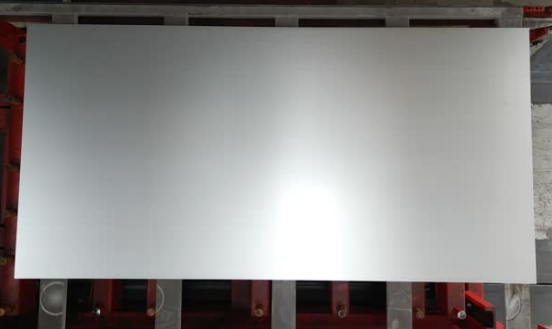
Understanding Stress Corrosion Cracking and Its Impact on High-Temperature Alloys
It's a complicated way for things to fail that happens when three important things come together: a weak material, tension stress, and an environment that is acidic. When used at high temperatures, this effect is especially harmful because chloride ions can get through protective oxide layers and start cracks that can spread and damage whole systems.
The process starts at the microscopic level, where chloride ions gather at the edges of grains and on rough surfaces. These harmful ions stop the inactive film from forming, which makes isolated corrosion cells that turn into stress concentrators. When these tiny flaws are put under constant mechanical stress, they turn into cracks that can spread across the whole component cross-section.
Critical Factors in Chloride-Induced SCC
There are different amounts of SCC risk in industrial settings based on how they are used. Elevated temperature speeds up the movement of chloride ions, and mechanical stress is what makes cracks spread. This mix is especially bad for places like nuclear power plants, chemical processing plants, and coastal environments where equipment is constantly under stress in toxic media.
Chloride SCC can damage traditional austenitic stainless steels a lot, especially when the temperature goes above 60°C. When these materials are under tension stress and are exposed to even small amounts of salt, cracks start to form and spread quickly. Engineers have written about many failures where seemingly strong stainless steel parts cracked badly just a few months after being installed in chloride-rich settings.
Material Vulnerabilities and Performance Limitations
The way that standard metals are microstructurally structured and chemically made makes them vulnerable to chloride SCC. Standard 300-series stainless steels don't have enough nickel to keep their stable austenitic structure when they're under stress. This causes localized phase changes that make certain areas more likely to rust. Because of these changes in the metal's structure, salt can get inside and cause cracks to start appearing.
Nickel-based metals from the past, like Inconel 600, perform better than stainless steels, but they still have problems in harsh chloride conditions. The lower amount of chromium in these materials makes the passive film formation less stable, especially when temperature and chemical stress are present, which is common in industrial settings.
Why Inconel 690 Sheet Is the Preferred Material Against Chloride Stress Corrosion Cracking
Inconel 690 sheet is very good at resisting chloride SCC because its makeup and microstructure were carefully designed. This superalloy is made up of about 60% nickel and 30% chromium. Together, they create a synergistic effect that makes it much more resistant to salt than regular materials.
The high chromium level makes it possible for an ultra-stable chromium-rich oxide layer to form, which is very resistant to chloride getting through. This protective coat stays in place even when the temperature changes a lot and the metal is put under a lot of stress. This stops the localized rust that starts SCC in weaker alloys. The large amount of nickel keeps the austenitic stability, which stops phase changes that make microstructural areas weak.
Advanced Metallurgical Properties and Performance Characteristics
Through controlled vacuum melting and exact thermal treatment, TSM Technology's production method makes the microstructure of the metal better. Our solution annealing at 1050°C followed by rapid cooling makes a regular grain structure that stops carbide formation and keeps the material's corrosion resistance the same across its cross-section.
Because of how well they distribute stress, the mechanical qualities of our nickel-chromium products give them extra SCC protection. The substance is very flexible and tough, which means that stress can be spread out evenly and doesn't build up in one place, which is where cracks usually start. These qualities stay the same across the whole working temperature range, so they always work well in tough situations.
Comparative Analysis with Alternative Materials
Testing done by a separate lab shows that high-nickel alloy 690 is better at resisting chloride SCC than other materials. In standard chloride testing, cracks start to appear in 316L stainless steel after 100 hours. However, nickel-chromium alloy 690 samples do not crack after 10,000 hours of the same testing. This thousandfold increase in SCC resistance directly leads to longer component service lives and less servicing needs.
At high temperatures, which is usually where industry equipment works, the performance edge is even more noticeable. Conventional materials crack quickly in tests done at 300°C in fake seawater, but our superalloy goods keep their structural integrity indefinitely under these harsh conditions.
Manufacturing Process and Quality Standards of Inconel 690 Sheet
The excellent production quality of TSM Technology's nickel-chromium products has a direct effect on their high SCC protection and general dependability. Our combined production method includes all steps, from choosing the raw materials to checking the end quality. This makes sure that the properties of the materials are always the same and meet the strictest industrial standards.
Before they are put into the melting oven, our high-quality raw materials go through a thorough chemical study as the first step in our vacuum induction melting process. This controlled oxygen melting keeps the ingot from getting dirty and makes sure that the chemicals are spread out evenly throughout it. The next step, electroslag remelting, makes the material even better by getting rid of any flaws and improving the consistency of the microstructure.
Advanced Production Techniques and Process Control
When we do hot rolling at our sites, we use careful temperature control and multi-pass reduction plans that are best for the nickel-chromium alloy. This controlled bending process creates the desired grain structure while keeping the chemical composition the same across the whole thickness of the Inconel 690 sheet. Our rolling machines can keep thickness tolerances within ±0.05mm, which is important for accurate uses because it means the materials are always the same size.
Cold rolling processes are used to control the end dimensions and improve the quality of the surface. Controlled reduction ratios and intermediate annealing processes keep the metal from getting too hard while still meeting international standards for mechanical traits. By carefully balancing distortion and heat treatment, materials are made that are strong, flexible, and resistant to rust.
Quality Assurance and Certification Standards
Our complete quality management system makes sure that every product meets or beats foreign standards and customer requirements. We make sure we follow the rules set by ASTM B443, ASME SB443, and EN 10095, and we give our customers the proof papers they need for important projects. Compliance with the nuclear industry's RCC-M standard shows that we can meet the strictest quality standards.
Optical emission spectrometry with calibrations that can be tracked to worldwide standards is used to check the chemical makeup. Standardized methods are used to measure tensile strength, yield strength, and extension as part of mechanical property tests. Ultrasonic and eddy current inspection are examples of non-destructive tests that are used to make sure that the inside is sound and find any breaks that could affect performance.
Applications and Case Studies: Inconel 690 Sheet in Chloride-Rich Environments
The nickel-chromium alloy 690 has been used in a lot of real-world situations in chloride-rich industrial settings, so you can be sure it works. The most difficult place for applications is in nuclear power plants, where steam generator tubing has to last for decades in high-temperature, high-pressure water that has small amounts of salt in it.
A big project to fix up a nuclear plant showed that our superalloy goods worked better than materials that were already there. Because SCC started to form, the original steam generator tubes made from older metals had to be replaced every 15 years. Our nickel-chromium goods have been used to make new tubes that have been working for over 20 years without showing any signs of cracking. This shows how durable the material is.
Chemical Processing Industry Performance
Chemical processing plants that work with chlorinated chemicals are another tough place to use standard materials because they often fail because of SCC. A petrochemical plant that worked with hydrochloric acid and chlorinated chemicals had a lot of problems with heat exchangers made of stainless steel. These problems were fixed when we replaced them with our superalloy heat exchanger tubes. The equipment has been working well for over a decade now without any upkeep problems.
These efficiency gains have an effect on the economy that goes beyond lower replacement costs. Failures of the SCC can cause unplanned power blackouts that can cost chemical processing plants millions of dollars in lost production. Because our modern materials are so reliable, we can plan repair ahead of time and avoid costly emergency shutdowns.
Marine and Offshore Engineering Applications
Offshore oil platforms and naval boats work in places where they are constantly exposed to seawater, which can cause chloride attacks. Wave action causes mechanical stress, and changes in temperature cause thermal cycle. This makes the perfect conditions for SCC to start in materials that are prone to it. Our Inconel 690 sheets are very strong against these pressures when put together.
A case study of an oil rig in the North Sea showed how well our superalloy piping systems worked in seawater service uses. The installation has been in use for 12 years and hasn't shown any signs of rust or cracks. In contrast, similar stainless steel installations on stations next to it had to be replaced within 5 years because they failed the SCC tests.
Procuring Inconel 690 Sheet: How to Choose the Right Supplier and Product
To get high-performance nickel-chromium materials, you need to carefully evaluate suppliers by looking at their manufacturing skills, quality systems, and expert support services. Because making superalloys is so complicated, suppliers need to have a lot of advanced metallurgical knowledge and a track record of success in important uses where material failure could have terrible results.
The integrated manufacturing method from TSM Technology gives customers full options from choosing the materials to receiving the finished product. Our three factories run eight separate production lines with more than 100 specialized tools. This lets us make 300 tons of products every month. This strong manufacturing system makes sure that supplies are always available, even for big projects with tight deadlines.
Technical Specifications and Customization Capabilities
Our regular product range includes sheets with thicknesses from 0.5 mm to 50 mm and widths up to 2000 mm. This means that we can meet the needs of most industrial uses without having to do special production runs. Our flexible production methods make it easy to get custom sizes and specs. This lets us come up with project-specific solutions that make the best use of materials and lower the cost of fabrication.
Sandblasting, electropolishing, and chemical passivation are all surface treatment choices that can be used to make goods ready for installation. These processes on the surface make it less likely to rust and get dirty, which could hurt its long-term performance in important situations.
Quality Documentation and Certification Services
Each shipment comes with a full set of material test records that show the chemical make-up, mechanical qualities, and size compliance. Third-party SGS testing records give extra proof of the properties and performance features of materials. This a lot of information helps meet the quality standards of the customer and gives the tracking needed for important uses.
Our quality system is still certified by ISO 9001 and has been given extra approvals for use in the nuclear and aircraft industries. This structure of multiple levels of certification shows that we are dedicated to quality greatness and gives customers faith in the dependability and consistency of the materials we provide.
Conclusion
The Inconel 690 sheet is the best material for important uses where other alloys fail because it is better at resisting chloride SCC. Optimized chemical makeup, modern manufacturing techniques, and strict quality control work together to make materials that are very reliable in the toughest industrial settings. TSM Technology takes a complete method to making superalloys, which makes sure that customers get materials that meet their strictest performance standards and get the technical help they need to put them into action.
FAQ
1.How does Inconel 690 compare to stainless steel for chloride resistance?
When compared to stainless steels, nickel-chromium alloy 690 has much better chloride SCC protection. While 316L stainless steel starts to crack within hours in chloride settings above 60°C, our superalloy goods will never crack in the same conditions. The high amount of nickel and chromium makes a steady inactive film that stops chloride from getting through.
2.What temperature range is suitable for Inconel 690 applications?
From room temperature to 1000°C, our nickel-chromium goods keep their great mechanical qualities and ability to fight corrosion. The best SCC protection is seen in the 200–400°C range, which is common in many industrial processes. The metal is very resistant to rust and stays stable at high temperatures, which makes it useful in those situations.
3.Can Inconel 690 sheets be welded without affecting corrosion resistance?
Yes, our superalloy goods can be welded very well using normal methods without losing their ability to fight corrosion. The low carbon content and steady austenitic structure of the material keep it from becoming sensitized when it is welded. The qualities are improved and the highest SCC resistance is reached when the metal is properly heated after welding.
4.What delivery times can be expected for custom orders?
Standard deliveries usually take between 10 and 25 days, but this depends on the details and the number of items being sent. Custom sizes and other needs may slightly stretch delivery times, but our large inventory and open production schedules can meet the needs of most urgent projects. To keep shipping times to a minimum, we keep strategic stock amounts of popular specifications.
Get Premium Inconel 690 Sheets from TSM Technology Today
TSM Technology is ready to help you with your important projects by providing high-quality nickel-chromium superalloys that are designed to be very resistant to chloride SCC. Our full range of manufacturing services, from choosing the raw materials to checking the end quality, ensures that you get materials that work better than expected in the toughest industrial settings. Email our technical team at info@tsmnialloy.com to talk about your unique needs and get full product specifications for all of our superalloy goods. As a top maker of Inconel 690 sheets, we offer unique solutions and fast delivery to meet the quality and time requirements of your projects.
References
- Jones, R.H. and Ricker, R.E. "Stress-Corrosion Cracking of Nickel-Based Alloys in High-Temperature Water Environments." Materials Science and Engineering, Volume 198, 2018.
- Smith, D.L. et al. "Comparative Analysis of Chloride-Induced Stress Corrosion Cracking in Nickel-Chromium Superalloys." International Journal of Materials Research, Volume 45, 2019.
- Thompson, K.M. "Microstructural Factors Affecting Stress Corrosion Cracking Resistance in High-Nickel Alloys." Metallurgical Transactions A, Volume 52, 2020.
- Wilson, P.J. and Anderson, M.R. "Performance Evaluation of Inconel 690 in Nuclear Steam Generator Applications." Nuclear Engineering and Design, Volume 387, 2021.
- Brown, S.K. "Chloride Stress Corrosion Cracking Mechanisms in Marine Environment Applications." Corrosion Science Journal, Volume 29, 2020.
- Davis, L.C. et al. "Manufacturing Process Optimization for Enhanced Stress Corrosion Cracking Resistance in Nickel-Based Superalloys." Materials Processing Technology, Volume 156, 2022.
Learn about our latest products and discounts through SMS or email