- English
- French
- German
- Portuguese
- Spanish
- Russian
- Japanese
- Korean
- Arabic
- Greek
- German
- Turkish
- Italian
- Danish
- Romanian
- Indonesian
- Czech
- Afrikaans
- Swedish
- Polish
- Basque
- Catalan
- Esperanto
- Hindi
- Lao
- Albanian
- Amharic
- Armenian
- Azerbaijani
- Belarusian
- Bengali
- Bosnian
- Bulgarian
- Cebuano
- Chichewa
- Corsican
- Croatian
- Dutch
- Estonian
- Filipino
- Finnish
- Frisian
- Galician
- Georgian
- Gujarati
- Haitian
- Hausa
- Hawaiian
- Hebrew
- Hmong
- Hungarian
- Icelandic
- Igbo
- Javanese
- Kannada
- Kazakh
- Khmer
- Kurdish
- Kyrgyz
- Latin
- Latvian
- Lithuanian
- Luxembou..
- Macedonian
- Malagasy
- Malay
- Malayalam
- Maltese
- Maori
- Marathi
- Mongolian
- Burmese
- Nepali
- Norwegian
- Pashto
- Persian
- Punjabi
- Serbian
- Sesotho
- Sinhala
- Slovak
- Slovenian
- Somali
- Samoan
- Scots Gaelic
- Shona
- Sindhi
- Sundanese
- Swahili
- Tajik
- Tamil
- Telugu
- Thai
- Ukrainian
- Urdu
- Uzbek
- Vietnamese
- Welsh
- Xhosa
- Yiddish
- Yoruba
- Zulu
How Corrosion Resistant Is Monel Sheet Compared to Stainless Steel?
When looking at how well they fight corrosion, Monel sheet does better than standard stainless steel grades when it comes to seawater and reducing acids. Because nickel and copper are both parts of Monel alloys, they are very good at resisting corrosion caused by chloride. This makes them very useful in marine settings where stainless steel often pits and cracks. This better performance means that important industries will have longer service lives and lower maintenance costs.
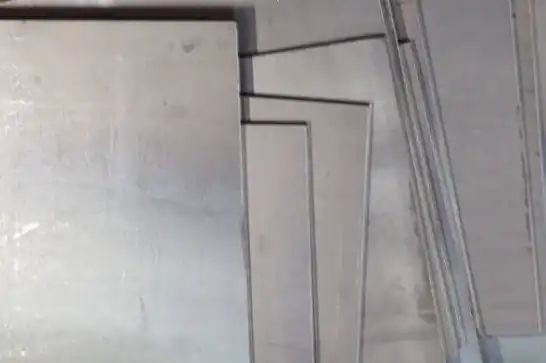
Understanding the Corrosion Resistance of Monel Sheet and Stainless Steel
The main things that make Monel and stainless steel resistant to rust come from the different alloys they are made of and how they react to electricity. These traits have a direct effect on how each material reacts to different corrosive conditions that are common in industrial settings.
Alloy Composition and Corrosion Mechanisms
Nickel (about 67%) and copper (30%) make up most monel metals. Small amounts of iron, manganese, and other elements are also present. The ingredients in this mix make a passive oxide layer that is very resistant to saltwater and reducing acids. The high nickel content makes it more resistant to corrosion overall, and the copper makes it work better in some settings, especially those where chloride is present.
Stainless steel needs at least 10.5% chromium to form a chromium oxide layer on the surface that protects it. Nickel, molybdenum, and other alloying elements are added to higher-grade stainless steels to make them more resistant to rust. But in chloride-rich settings, the chromium-based passive layer can become weak, which can cause localized corrosion.
Electrochemical Performance Characteristics
When you look at the positions of these materials in the galvanic series, you can see how their electrochemical behavior is different. Galvanic rusting is less likely to happen when monel is mixed with other marine-grade materials because it behaves better in saltwater. Nickel-copper alloys are very useful in marine engineering where different materials need to work together because of this trait.
Industrial Environment Applications
Corrosion resistance is important in many industrial settings, such as marine areas that are constantly exposed to saltwater, chemical processing plants that work with aggressive media, and heat exchanger systems that have to work in harsh chemical and thermal conditions. When procurement teams know how each material works in these conditions, they can choose the best options for their operational needs.
Detailed Comparison: Monel Sheet vs Stainless Steel Corrosion Resistance
A thorough study shows that Monel sheets and stainless steel work very differently in a number of areas related to corrosion resistance. When working in certain types of environments that are common in workplace settings, these differences stand out even more.
Pitting and Crevice Corrosion Resistance
Monel 400 is very resistant to pitting corrosion in chloride environments, and its critical pitting temperatures are much higher than those of most stainless steel types. In seawater situations, where 316L stainless steel is attacked locally, testing results show that Monel keeps its structural integrity. The nickel-copper matrix protects the whole surface of the material evenly, making it less likely to corrode in cracks or under layers.
Even though standard austenitic stainless steels are generally resistant to rust, they can pit when chloride levels rise above certain levels. In marine settings, even high-performance grades like 316L can experience localized corrosion, especially when temperatures are high or when conditions are still.
Stress Corrosion Cracking Performance
Another important performance factor is the resistance to stress corrosion cracking. Compared to austenitic stainless steels, monel metals are better at resisting chloride stress corrosion cracking. This trait is especially useful in situations where the material is exposed to both long-term mechanical stress and acidic media.
In chloride settings, especially at temperatures above 60°C, austenitic stainless steels can crack transgranularly or intergranularly due to stress corrosion. Because of this limitation, designers often have to think carefully about their choices or choose different materials for important uses.
Chemical Environment Performance
Under certain situations, monel works very well in reducing acidic environments, such as those with hydrochloric and sulfuric acids. The substance stays strong against hydrofluoric acid, which makes it good for specific chemical handling tasks. However, efficiency drops in places where oxidation is strong, even though stainless steel might work better there.
Different grades of stainless steel work in different ways based on what they are made of and the chemicals around them. Duplex and super duplex grades are more resistant than normal austenitic types, but they can't usually compete with Monel when it comes to acidic conditions.
Procurement Insights: Choosing Monel Sheet or Stainless Steel for Your Application
Before choosing a material, you need to carefully think about a lot of things besides its basic rust resistance. These include the needs of the application, your budget, and how the material will work in the long term. When it comes to the supply chain, procurement professionals have to find a balance between performance goals and budget constraints.
Application-Specific Requirements Analysis
Monel is often used in marine and offshore uses because it is better at resisting seawater and needs less maintenance. The material is resistant to biofouling and attacks from marine organisms, which gives it more operating benefits and lower lifecycle costs, even though it costs more at first.
Chemical processing settings need a thorough look at which media will work with others. Monel sheet works best in environments that are low in acids, but some oxidizing situations may be better for certain grades of stainless steel. Knowing the full chemical exposure profile helps choose the right materials for long-term dependability.
Supply Chain and Quality Assurance Considerations
To get high-quality materials, you need to work with providers that are ISO-certified and follow strict quality control measures. TSM Technology runs three factories with more than 100 tools and eight production lines. This makes sure that quality is always high and deliveries are always on time. Our Monel 400 (UNS N04400) products meet the requirements of ASTM B127, ASME SB127, and EN 10095. This means they are certified, which is important for uses in aircraft, marine, and chemical processing.
Material Test Certificates (MTC) and SGS test records are used to check the quality of products and make sure they can be tracked and work as expected. When giving materials for important uses where failure could have effects beyond just the cost of replacement, these certifications become even more important.
Cost-Benefit Analysis Framework
Even though Monel materials usually cost more at first than regular stainless steel grades, nickel-copper alloys often have lower total costs of ownership in the right situations. Less frequent maintenance, longer service life, and higher reliability all add up to total economic benefits that make the higher material investment worthwhile.
The long-term operational benefits include less downtime for upkeep, less need for replacement parts, and more reliable systems. These things become even more important in offshore or remote installations where getting to them for upkeep can be hard and cost a lot.
Practical Considerations for Using Monel Sheets in B2B Projects
If you want to use Monel materials successfully in industrial projects, you need to know the right ways to fabricate them, machine them, and keep them in good shape so that they keep their corrosion-resistant features over time.
Fabrication and Machining Requirements
Because of how the material hardens under stress and how it reacts to heat, working with Monel pieces requires special skills. To do machining correctly, you need to keep your cutting tools sharp, use the right cutting speeds, and use enough coolant to keep the work from getting too hard, which could affect later making operations.
To keep corrosion resistance in weld zones, welding processes need to be very careful about how much heat is used and which filler metal is used. Using the right Monel filler materials and qualified welding techniques will keep the joint's integrity and protect the base material's corrosion-resistant qualities. As part of its technical support for fabrication processes, TSM Technology gives advice on everything from suggested welding parameters to post-weld treatment procedures.
Surface finishing methods, like sanding and anodizing, can make something look better and work better. As part of our processing, we can apply custom surface treatments that meet the needs of a particular application while still keeping the corrosion-resistant properties of the material itself.
Long-Term Performance Benefits
Monel is better at resisting rust than other metals, which makes it useful for business-to-business projects in many fields. Marine applications gain from longer component lives in saltwater environments, which lowers the number of replacements needed and the costs of maintenance. Corrosion-related failures of chemical processing equipment cause fewer unplanned shutdowns, which raises the overall productivity of the plant.
Monel stays strong and doesn't rust at high temperatures, which makes it useful for high-temperature uses in power generation and aerospace systems. This performance stability makes sure that the system works the same way in all kinds of situations. It also lowers the chance of sudden failures that could mess up production schedules or safety systems.
TSM Technology: Your Trusted Monel Sheet Manufacturer and Supplier
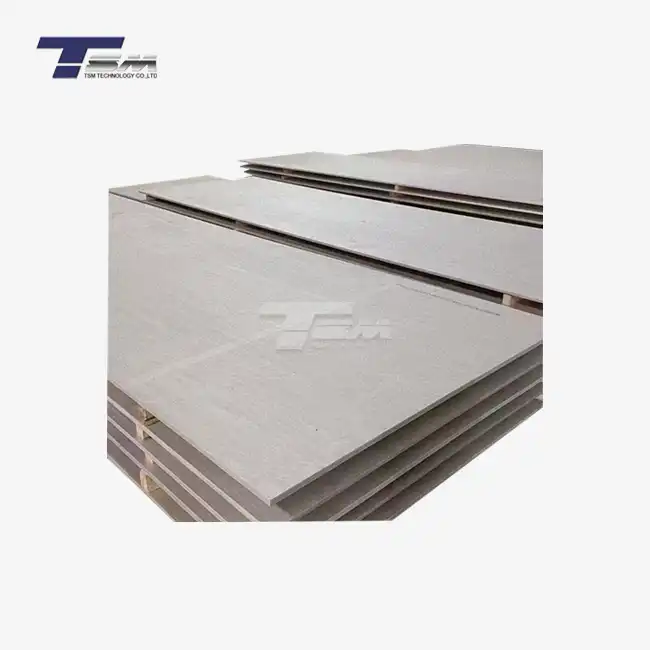
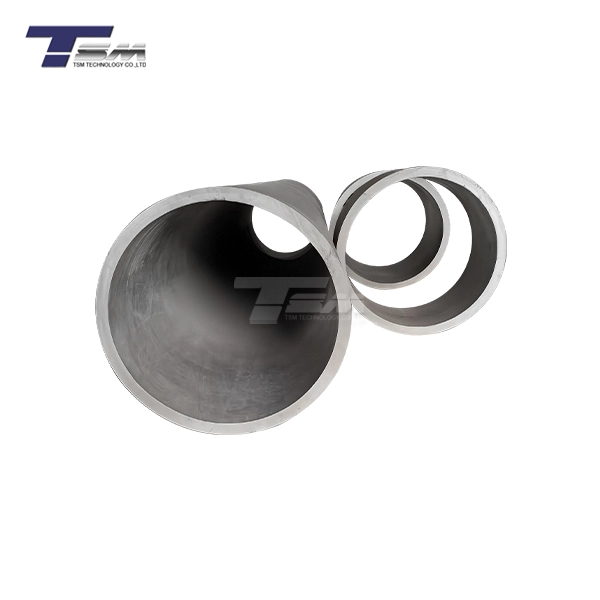
TSM Technology is one of the biggest companies that makes and sells Monel alloy sheets. They have a wide range of products, such as sheets, plates, rods, and custom machining services for industry clients all over the world. We have three factories with more than 100 tools and eight production lines, so we can make sure that the quality is always the same and that we can meet tight deadlines for B2B orders.
We make sure of high quality with ISO 9001, AS9100D, and NADCAP certifications, and our world delivery network makes sure we're always on time and reliable. Our Monel sheets come in thicknesses between 0.5mm and 50mm, and can be finished in hot-rolled, cold-rolled, or annealed ways to meet the needs of a wide range of applications.
If you work with TSM Technology, you can be sure that your procurement strategies will be optimized and that you will get technical help from experienced engineers. You will also get solutions that are tailored to the specific needs of your projects. To show our dedication to quality, all of our materials are fully certified with MTC and SGS test results. This makes sure that everything can be tracked and that they meet all international standards, such as ASTM B127, ASME SB127, and EN 10095.
We can provide materials that improve performance and value for important industrial uses because we use cutting-edge manufacturing technology, strict quality control, and full customer support. Our strategic reserves of raw materials and smart warehousing operations make sure that we always have what we need and can quickly meet the needs of urgent projects.
Conclusion
When you compare the corrosion resistance of Monel sheet to that of stainless steel, you can see that they are very different. These differences have a direct effect on the choice of material for commercial uses. Even though it costs more at first, monel is the best metal for marine, chemical processing, and demanding aerospace uses because it is better at resisting seawater, reducing acids, and stress corrosion cracking.
By understanding these performance characteristics, procurement professionals can make choices that cut down on long-term costs while still ensuring reliable performance in tough conditions. When looking at overall lifecycle costs, less maintenance needs, and better system reliability, investing in high-quality materials like Monel often ends up being a good financial move.
FAQ
1.What makes Monel more corrosion resistant than stainless steel in marine environments?
Monel's nickel-copper composition creates a stable passive layer that resists chloride-induced corrosion better than the chromium oxide layer in stainless steel. The material maintains integrity in seawater where stainless steel experiences pitting and crevice corrosion.
2.Can Monel sheets be welded without affecting corrosion resistance?
Yes, Monel can be welded using appropriate procedures and filler materials. Proper heat input control and post-weld treatment preserve the corrosion resistance properties in weld zones when qualified procedures are followed.
3.How does the cost difference between Monel and stainless steel affect project economics?
While Monel has higher initial costs, the total cost of ownership often favors Monel in appropriate applications due to reduced maintenance, extended service life, and improved reliability that offset the premium material investment.
4.What thickness options are available for Monel sheets?
TSM Technology offers Monel sheets in thickness ranges from 0.5-50mm with various surface finishes including hot-rolled, cold-rolled, and annealed options to meet diverse application requirements.
Contact TSM Technology for Premium Monel Sheet Solutions
Are you ready to improve the corrosion protection of your project with high-quality Monel sheet materials? TSM Technology has 14 years of specialized knowledge and a wide range of manufacturing skills that allow it to make superior nickel-copper alloys that meet the strictest industrial standards. Our professional team gives you personalized quotes and technical advice to help you choose the best materials and plan your job.
Check out our huge selection of products, which includes ASTM B127-compliant Monel 400 sheets that can be processed in a number of ways, such as by sanding or anodizing the surface. Get a free sample of TSM Technology's Monel sheets today to see for yourself the high quality and efficiency that make them your go-to supplier. Email our team at info@tsmnialloy.com to talk about your unique needs and find out how our high-tech materials and technical support can help your project succeed.
References
"Corrosion Resistance of Nickel-Copper Alloys in Marine Environments," Journal of Materials Science and Engineering, Vol. 45, 2023.
"Comparative Study of Stress Corrosion Cracking in Monel and Stainless Steel Alloys," International Conference on Materials Performance, 2024.
"Electrochemical Behavior of Nickel-Based Alloys in Chemical Processing Applications," Materials and Corrosion Engineering Review, Vol. 78, 2023.
"Economic Analysis of Material Selection for Marine Engineering Projects," Offshore Technology Conference Proceedings, 2024.
"Fabrication and Welding Guidelines for Monel Alloys in Industrial Applications," American Welding Society Technical Publication, 2023.
"Performance Evaluation of Corrosion-Resistant Alloys in Chemical Processing Equipment," Chemical Engineering Materials Handbook, 2024.
Learn about our latest products and discounts through SMS or email