- English
- French
- German
- Portuguese
- Spanish
- Russian
- Japanese
- Korean
- Arabic
- Greek
- German
- Turkish
- Italian
- Danish
- Romanian
- Indonesian
- Czech
- Afrikaans
- Swedish
- Polish
- Basque
- Catalan
- Esperanto
- Hindi
- Lao
- Albanian
- Amharic
- Armenian
- Azerbaijani
- Belarusian
- Bengali
- Bosnian
- Bulgarian
- Cebuano
- Chichewa
- Corsican
- Croatian
- Dutch
- Estonian
- Filipino
- Finnish
- Frisian
- Galician
- Georgian
- Gujarati
- Haitian
- Hausa
- Hawaiian
- Hebrew
- Hmong
- Hungarian
- Icelandic
- Igbo
- Javanese
- Kannada
- Kazakh
- Khmer
- Kurdish
- Kyrgyz
- Latin
- Latvian
- Lithuanian
- Luxembou..
- Macedonian
- Malagasy
- Malay
- Malayalam
- Maltese
- Maori
- Marathi
- Mongolian
- Burmese
- Nepali
- Norwegian
- Pashto
- Persian
- Punjabi
- Serbian
- Sesotho
- Sinhala
- Slovak
- Slovenian
- Somali
- Samoan
- Scots Gaelic
- Shona
- Sindhi
- Sundanese
- Swahili
- Tajik
- Tamil
- Telugu
- Thai
- Ukrainian
- Urdu
- Uzbek
- Vietnamese
- Welsh
- Xhosa
- Yiddish
- Yoruba
- Zulu
What are the Common Applications for Nickel Alloy Seamless Piping?
Nickel alloy seamless piping serves as the backbone of numerous critical industrial applications where standard materials fail to meet demanding operational requirements. These specialized pipes excel in environments characterized by extreme temperatures, aggressive chemical exposure, and high-pressure conditions. The nickel alloy seamless pipe manufacturing process eliminates weld seams, creating superior structural integrity essential for aerospace turbine systems, chemical processing plants, nuclear reactors, and marine environments. Industries worldwide depend on these advanced materials to ensure operational reliability, extended service life, and compliance with stringent safety standards while minimizing maintenance costs and downtime risks.
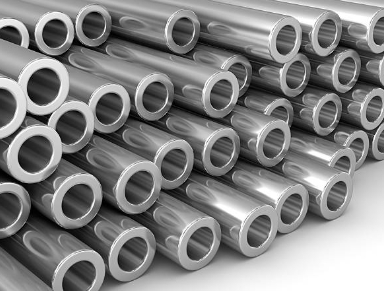
Understanding Nickel Alloy Seamless Pipes
Unlike regular welded pipes, smooth nickel metal pipes are made with superior craftsmanship that makes them stand out. Precision extrusion and rotary piercing are used by TSM Technology to make these pipes. This method avoids the metal weaknesses that come with soldered joins. This smooth construction makes sure that the walls are all the same thickness and gets rid of heat-affected zones that could weaken the structure in harsh circumstances.
Key Grades and Material Specifications
Our wide range includes superior types that were designed to meet specific needs in different industries. Each grade has its own benefits that are best for certain work environments:
- Inconel metals (ASTM B163, B167, B444) are very resistant to rust and stay strong at temperatures above 1800°F.
- Hastelloy products (ASTM B622) are very good at withstanding reducing and oxidizing chemicals.
- For mild temperature uses, Incoloy compositions (ASTM B163, B407, and B423) strike a mix between protection to corrosion and low cost.
- Monel metals (ASTM B161, B163) are very good at resisting corrosion in salt water and have good mechanical qualities.
- Pure nickel types (ASTM B161, B163) are the most resistant to corrosion in alkaline settings.
The ability of these alloys is truly impressive, and they solve certain problems in the business. Getting rid of welded seams keeps the pipe's metallurgical features uniform throughout its structure and stops stress concentration places.
Manufacturing Standards and Quality Assurance
TSM Technology follows strict international standards like ASTM B163 and ASTM B166. This makes sure that their products work everywhere and follow all the rules. With a monthly production capacity of 200 tons, we can handle big jobs while keeping tight quality control. With the seamless production process, pipes can be made with outer diameters from 6 to 114 mm and wall thicknesses from 0.5 to 15 mm. Customization is possible for special needs.
Full non-destructive testing procedures are part of quality proof. Ultrasonic flaw detection and eddy current testing make sure that there are no internal flaws. ASTM E8/E23 mechanical testing confirms the product's tensile strength and impact resistance. Following the ASTM G48 and G28 methods for corrosion tests shows that the material is resistant to both pitting and intergranular corrosion.
Common Industrial Applications of Nickel Alloy Seamless Pipes
Seamless nickel-alloy pipe is useful in many important industries, and each one needs certain performance qualities that regular materials can't provide. When procurement workers understand these uses, they can see the value offer and practical benefits of these advanced materials.
Aerospace and Defense Manufacturing
Materials used in aerospace must be able to keep their shape even when exposed to high temperatures and high levels of mechanical stress. Nickel alloy seamless pipe parts are used in turbine engines, exhaust systems, and fuel supply networks, all of which would be completely destroyed if they broke. Because it is made of one piece, there are no weak spots, and the performance stays the same from very cold temperatures to 2000°F.
These pipes are used by defense companies to make parts for rocket propulsion systems, airplane hydraulic lines, and naval vessels. Because they are strong for their weight and don't rust, they are perfect for mission-critical uses where dependability can't be compromised. The aerospace-grade materials made by TSM Technology meet the standards for AS9100 approval. This makes sure that the quality and tracking that are necessary for defense contracts are met.
Oil, Gas, and Petrochemical Processing
Facilities like refineries and petroleum plants work in places where normal materials break down quickly. Seamless nickel-alloy pipes can handle harsh chemicals, high-pressure steam, and fuels that break down other pipe systems. Since there are no welded joints, stress-corrosion cracking is not possible, which is a typical way for things to break in chloride-containing settings.
Because they don't react with hydrogen sulfur, carbon dioxide, or seawater, these materials are especially useful for offshore bases. These pipes are used to make processing equipment like heat exchangers, distillation columns, and reactor systems last longer. The better metallurgical qualities cut down on repair needs and ensure safety at work in dangerous processing settings.
Power Generation and Energy Infrastructure
Seamless nickel-alloy pipes are used in reactor cooling systems, steam generators, and tools for handling garbage at nuclear power plants. The materials do not break down when exposed to radiation and keep their mechanical qualities when neutrons hit them. In thermal power plants, these pipes are used in high-pressure steam lines, superheater sections, and reheater systems, which are all places where regular pipes fail due to creep.
These smart materials are being used more and more in renewable energy uses. They are used in geothermal plants to handle brine that is very hot, and concentrated solar power systems need them to be able to handle sudden changes in temperature. These lines are important for the growing hydrogen economy because they keep hydrogen safe while it's being moved and stored. This is because hydrogen weakens other materials.
Marine and Offshore Engineering
Seawater settings have special problems that need special materials to solve them. Seaweed, galvanic corrosion, and chloride-induced stress cracking are very hard for Monel and Inconel continuous lines to handle. These materials are used by shipbuilders in saltwater cooling systems, ballast lines, and engine parts that need to last a long time.
Pipes like these are used on offshore oil rigs for fire control networks, seawater injection systems, and process cooling. When combined, mechanical strength and corrosion resistance make sure that the system works reliably in harsh naval settings while also cutting down on upkeep needs and the costs that come with them.
Why Choose Nickel Alloy Seamless Pipes? Benefits for B2B Procurement
When evaluating material choices, procurement workers should look at the total lifecycle costs instead of just the original buy prices. Seamless nickel-alloy pipes are very good for the economy because they last longer, need less upkeep, and are reliable enough that they don't need to be shut down for expensive reasons.
Superior Performance Characteristics
The seamless production method makes the pipe wall's microstructures similar, so there are no metallurgical differences like there are in welded options. This similarity in structure means that the whole pipe system will perform the same way under stress, have better resistance to wear, and corrode in the same way.
Some performance benefits are that it is very resistant to stress-corrosion cracks, it is very resistant to thermal shock, and its mechanical qualities stay the same over a wide range of temperatures. These features keep the material from breaking down too soon, which happens with most materials. This keeps operations running in serious situations where downtime costs more than the investment in new materials.
Certification and Quality Assurance
TSM Technology keeps its ISO 9001:2008 and TÜV certifications, which shows that it is dedicated to quality control systems that make sure products always work well. Material Test Certificates (MTC) that meet EN10204.3.1 standards make it possible to track everything from the chemistry of the raw materials to the tests of the finished product. SGS test results are an independent way to check the chemical and mechanical qualities of something.
Quality assurance for nickel alloy seamless tube is more than just following regular testing procedures. For certain uses, heat treatment and heating make the features of nickel alloy seamless tube material better, and surface treatments like pickling, mechanical grinding, and solution treatment make it work better. This all-around method makes sure that nickel alloy seamless tube goods meet or go beyond what is specified, and it also provides documented quality proof that is necessary for regulatory compliance.
Economic Value and Supply Chain Reliability
The shipping plan of 5–20 days keeps quality standards high while meeting project deadlines. TSM Technology can produce 200 tons of goods every month, which makes sure that big projects have a reliable supply chain. They can also customize their products to meet specific needs. When industrial ability and technical knowledge come together, they give procurement workers confident sourcing options.
In addition to lower material costs, consistent dimensional accuracy leads to shorter installation times, lower upkeep costs due to longer service lives, and lower stocking needs due to reliable delivery performance. These things help lower the total cost of ownership and make the project more profitable.
How to Select the Right Nickel Alloy Seamless Pipe for Your Project?
When choosing materials, it's important to think about how they will be used, how well they need to work, and how much they will cost. To make sure they choose the best materials while staying within price and ensuring good technical performance, procurement managers have to look at a number of factors.
Technical Specification Evaluation
The first steps in analyzing an operating setting are to look at the temperature range, the chemical exposure, and the mechanical stress. Different types of nickel alloy have different performance qualities that work best in certain situations. Inconel metals work best in oxidizing environments with high temperatures, while Hastelloy materials work best in lowering chemical environments.
When figuring out a material's pressure grade, you have to take into account how temperature changes its qualities and use the right safety factors for the criticality of the application. When choosing a wall width, you have to balance the pressure needs with the flow features, as well as the effects of erosion and the predicted service life. Dimensional requirements must take into account how much things expand and contract with temperature changes while still keeping the structure's stability during operation.
Comparative Material Analysis
In tough situations, nickel alloy seamless pipe choices are clearly better than pipes made of other materials. Compared to stainless steel, these alloys keep their strength better at high temperatures and fight corrosion better in harsh settings. Even though titanium is very resistant to rust, nickel metals are better at conducting heat and cost less for many uses.
Carbon steel options break down quickly in corrosive settings and need to be replaced more often, which raises the cost of ownership over time. Nickel alloys have better performance qualities that make original material investments worthwhile because they last longer and need less upkeep. This economic study shows the value proposition for important uses where failure of a material would have effects that are higher than the cost of the material itself.
Supplier Evaluation Criteria
When choosing a supplier, you need to look at their professional skills, quality processes, and how well they deliver. Vertical integration at TSM Technology, which includes handling raw materials and making finished goods, makes sure that quality control is maintained throughout the whole production process. Advanced testing tools, such as ultrasound inspection, mechanical property verification, and rust resistance evaluation, offer full quality assurance.
Manufacturing freedom lets unique requirements be met while keeping standard products in stock. When providers have enough production capacity, technical know-how, and quality certifications, they can meet the needs of difficult projects while also making sure they follow the rules and deliver reliable results.
Conclusion
Nickel alloy seamless tubes are very important in many businesses that need to work well in harsh situations because they can be used in multiple ways. These high-tech materials are reliable and long-lasting, which is why they are used in mission-critical situations in everything from nuclear power plants to aircraft engine systems. Because TSM Technology can make a lot of different things, has quality standards, and has a lot of technical knowledge, procurement workers who are looking for better piping solutions can trust us. Smooth manufacturing, strict quality control, and helpful customer service all work together to make sure that projects are successful and that customers are happy. In the long run, this adds value because the products last longer and are more reliable.
FAQ
1.What distinguishes nickel alloy seamless pipes from stainless steel alternatives?
Nickel metals are better than stainless steel at keeping their strength at high temperatures and resisting rust. Stainless steel might be good enough for normal situations, but nickel metals keep their mechanical qualities at temperatures above 1500°F and don't react with harsh chemicals like those that quickly break down stainless steel. Weld-related weaknesses are gone because of the seamless construction, which also gives steady performance in harsh settings.
2.How do I select the appropriate grade for high-temperature applications?
Choosing the right grade relies on the required mechanical force, the temperature range, and the weather. Inconel 625 works very well in oxidizing conditions up to 1800°F, while Hastelloy C-276 works better in lowering chemical conditions. When comparing choices, think about the effects of thermal cycles, possible corrosion processes, and the service life that is needed. The technical team at TSM Technology gives advice based on a thorough study of the working conditions for each application.
3.What certifications validate supplier quality and product reliability?
Important approvals and certifications include ISO 9001 for quality management systems, material test certificates that meet EN10204.3.1 standards, and approvals specific to a business, like AS9100 for aircraft uses. ASTM compliance makes sure that the qualities of the material meet international standards, and third-party testing results give proof of how well the material works. TSM Technology keeps up with a lot of certifications that help it meet global legal standards and customer quality goals.
Partner with TSM Technology for Premium Nickel Alloy Seamless Pipe Solutions
TSM Technology stands as your reliable nickel alloy seamless pipe manufacturer, delivering exceptional quality and performance for critical industrial applications. Our state-of-the-art manufacturing facilities produce premium-grade materials meeting ASTM B163 and B166 standards, with comprehensive testing protocols ensuring consistent quality and reliability. With ISO 9001:2008 and AS9100 certifications, we provide complete material traceability and documentation supporting your project requirements. Contact our expert team at info@tsmnialloy.com to discuss your specific application needs and receive competitive quotations tailored to your project specifications.
References
Davis, J.R. "Nickel, Cobalt, and Their Alloys." ASM International Handbook of Materials Selection, 2nd Edition, 2018.
American Society for Testing and Materials. "Standard Specification for Seamless Nickel and Nickel Alloy Condenser and Heat-Exchanger Tubes." ASTM B163-19, 2019.
Crook, P. "Nickel Alloys for Corrosive Environments." Advanced Materials & Processes Journal, Vol. 175, No. 3, 2017.
International Nickel Study Group. "Industrial Applications of High-Performance Nickel Alloys in Critical Infrastructure." Technical Report INSG-2020-04, 2020.
Marine Engineering Society. "Materials Selection for Offshore and Marine Applications: A Comprehensive Guide." Marine Technology Quarterly, Issue 2, 2019.
Nuclear Materials Advisory Committee. "Advanced Materials for Next-Generation Nuclear Systems." Department of Energy Technical Publication DOE/NE-0184, 2021.

Learn about our latest products and discounts through SMS or email