- English
- French
- German
- Portuguese
- Spanish
- Russian
- Japanese
- Korean
- Arabic
- Greek
- German
- Turkish
- Italian
- Danish
- Romanian
- Indonesian
- Czech
- Afrikaans
- Swedish
- Polish
- Basque
- Catalan
- Esperanto
- Hindi
- Lao
- Albanian
- Amharic
- Armenian
- Azerbaijani
- Belarusian
- Bengali
- Bosnian
- Bulgarian
- Cebuano
- Chichewa
- Corsican
- Croatian
- Dutch
- Estonian
- Filipino
- Finnish
- Frisian
- Galician
- Georgian
- Gujarati
- Haitian
- Hausa
- Hawaiian
- Hebrew
- Hmong
- Hungarian
- Icelandic
- Igbo
- Javanese
- Kannada
- Kazakh
- Khmer
- Kurdish
- Kyrgyz
- Latin
- Latvian
- Lithuanian
- Luxembou..
- Macedonian
- Malagasy
- Malay
- Malayalam
- Maltese
- Maori
- Marathi
- Mongolian
- Burmese
- Nepali
- Norwegian
- Pashto
- Persian
- Punjabi
- Serbian
- Sesotho
- Sinhala
- Slovak
- Slovenian
- Somali
- Samoan
- Scots Gaelic
- Shona
- Sindhi
- Sundanese
- Swahili
- Tajik
- Tamil
- Telugu
- Thai
- Ukrainian
- Urdu
- Uzbek
- Vietnamese
- Welsh
- Xhosa
- Yiddish
- Yoruba
- Zulu
Magnetic Properties of Nickel Fasteners for Electronic Engineers
When it comes to sensitive parts and precise structures, electronic experts know that the choice of material can make or break a project. Nickel fasteners are different from other types because they have special magnetic qualities that make them useful in situations where controlled electromagnetic behavior is needed. Pure nickel and its alloys have very different ferromagnetic properties depending on how they are made and what they are made of. This makes these fasteners very useful for electronic systems that need to reduce or precisely control magnetic interference. Engineers can make circuit designs work better and last longer in harsh electrical environments by understanding these traits.
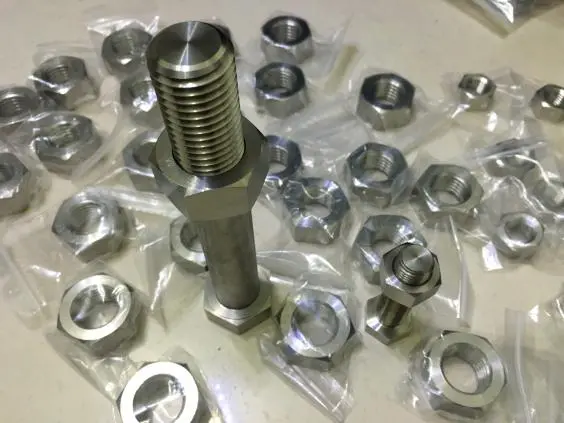
Understanding the Magnetic Properties of Nickel Fasteners
The Curie temperature of pure nickel is about 358°C, which means it is strongly magnetic at room temperature. This basic feature affects how nickel-based methods for fastening things work in electronic settings. If you change the alloy makeup and production methods, nickel's magnetic permeability can change a lot.
Ferromagnetic Behavior in Electronic Applications
Nickel fasteners have regular patterns of magnetic reaction that electronic engineers can use to meet specific design needs. Pure nickel screws have a high magnetic permeability when they are exposed to external magnetic fields. This makes them useful for situations where magnetic coupling or protection is needed. But this same trait needs to be carefully thought through in electrical circuits that are sensitive to magnetic interference, which could stop them from working properly.
Nickel's magnetic saturation point happens at field strengths that aren't as strong as those of iron-based materials. Because of this property, engineers can control magnetic behavior without needing very strong outside fields. When designers need a reliable magnetic reaction for sensor uses or electromagnetic compatibility needs, this feature helps electronic systems.
Alloy Composition Impact on Magnetic Performance
Changes in the makeup of nickel alloys have big effects on their magnetic qualities. Because they contain chromium and molybdenum, Inconel and Hastelloy alloys are less magnetic than pure nickel. They are often used in harsh electrical settings. These changes make it possible for uses that need very little magnetic interference while still having great resistance to rust.
Because they contain a lot of copper, monel metals are magnetic in a way that is halfway between pure nickel and materials that aren't magnetic. Because they behave in a balanced way, Monel fasteners are perfect for electrical uses that need some magnetic reaction without being too sensitive. Engineers can choose specific metal ratios based on the exact magnetic properties they need for a given job.
Temperature Effects on Magnetic Characteristics
Because electronic devices often work in a wide range of temperatures, thermal stability is very important for magnetic performance. Within normal electrical working temperatures, nickel fasteners keep their magnetic properties stable, but engineers need to take the Curie temperature shift into account. Above this point, ferromagnetic behavior stops happening, which could affect how well a circuit works in high-temperature situations.
Comparing Nickel Fasteners with Other Metals in Electronic Use
When choosing a material for an electrical purpose, you have to think about a lot of things, like its magnetic qualities, resistance to corrosion, and mechanical strength. Engineers can make better choices for certain uses when they know how nickel bolts compare to other materials.
Stainless Steel vs Nickel Fasteners
Because of the way their crystals are structured, austenitic stainless steels, which are often used in electronics, are not magnetic. But cold working can give these materials magnetic qualities, which can make them behave in unpredictable ways in precision uses. Nickel fasteners have more consistent magnetic properties, which gives engineers more faith when they create.
In many places, high-quality stainless steel is just as resistant to rust as nickel metals. Nickel screws, on the other hand, work great in some chemical conditions where stainless steel might crack from stress corrosion. Nickel is much better at resisting limited corrosion, which is very helpful for electronic parts that are used in chloride-rich settings.
Titanium and Non-Ferrous Alternatives
Titanium screws are strong for their weight and don't conduct any magnetic fields, which makes them a good choice for uses that need to avoid magnetic interference. However, because nickel alloys are cheaper than titanium alloys, titanium alloys are often not as useful for making a lot of electronics.
Fasteners made of brass and bronze are not magnetic and cost less than nickel-based options. These copper-based alloys work well for basic electrical systems, but nickel fasteners are better for demanding uses because they can handle high temperatures and don't rust. Nickel is better at resisting weather damage, which is good for electronic systems that need to be reliable over time.
Electromagnetic Shielding Considerations
When used correctly in system design, nickel fasteners can help electromagnetic protection work more effectively. Because ferromagnetic materials can change the direction of magnetic field lines, they might make the whole system more electromagnetically compatible. This trait is often used to improve performance by engineers making sensitive measuring tools or communication devices.
Technical Specifications Influencing Magnetic Performance
When specifications are being made, it is important to think carefully about how mechanical qualities and magnetic behavior affect nickel screws. Performance in computer systems is affected by a number of technical factors that work together.
Tensile Strength and Magnetic Stability
High tensile strength nickel fasteners keep their magnetic qualities even when they are under a lot of stress. Increasing strength through cold working can change magnetic permeability, but modern production methods keep these changes under control so that performance is always predictable. This mechanical-magnetic stability is good for electronic systems that are vibrating or going through thermal cycles.
Nickel fasteners made by TSM Technology have tensile strengths that range from normal business grades to high-performance aircraft standards. Each grade keeps certain magnetic properties that engineers can count on for uniform electromagnetic behavior over the span of the product.
Thread Accuracy and Electromagnetic Compatibility
The way magnetic fields interact with fastener parts is changed by precision drilling. The thread precision up to 6g/6H grade from TSM Technology makes sure that the magnetic connection between mating parts is always the same. This keeps sensitive circuits from being affected by unwanted electromagnetic changes. The quality of the surface finish also changes the magnetic behavior by changing the amounts of fields in certain areas.
Alloy Grade Selection for Specific Applications
Knowing how different types of alloys behave magnetically helps engineers choose the best materials for their needs. For computer uses, these are the most important things to think about:
- Pure Nickel (at least 99%): This metal has the highest magnetic permeability but low mechanical strength, making it good for low-stress magnetic coupling uses.
- Inconel alloys: are great for electrical systems that need to work in harsh temperature settings because they are highly stable at high temperatures and don't let magnetic fields pass through them easily.
- Monel alloys: have balanced magnetic qualities and are very resistant to corrosion, making them great for naval electronics.
- Hastelloy Compositions: They offer very low magnetic interference and high chemical protection, making them ideal for accurate measuring equipment.
With these alloy choices, electrical engineers can find the best combination of magnetic properties and resistance to external factors, depending on the needs of the application.
Procurement Guide for Nickel Fasteners in Electronics
To successfully buy nickel fasteners for electrical uses, you need to know both the technical specs and the supplier's abilities. There are many choices on the global market, but picking the right partner is the only way to make sure a project succeeds.
Quality Certification and Standards Compliance
For electronic uses, fasteners must meet strict quality standards. TSM Technology keeps its EN10204 3.1/3.2 approval and the ability to have third parties check its products to make sure that every batch meets the required magnetic and mechanical standards. International standards, such as ASTM, DIN, JIS, BS, and GB/T, make sure that quality is the same in all areas.
When magnetic traits need to stay within very small ranges, supplier approval for nickel fasteners is very important. Engineers can be sure that the fasteners they receive are exactly what was designed by keeping records of the alloy's makeup, its heat treatment methods, and the results of magnetic tests.
Supply Chain Considerations for Large Projects
When making electronics, a lot of fasteners are needed, and they need to be delivered on time. With a production capacity of 100,000 to 300,000 pieces, TSM Technology can meet the needs of both prototype development and full-scale manufacturing. With three factories and eight production lines, the company has backups and can adapt to tight delivery plans.
TSM Technology can be used for both research projects and production runs, as long as the order size is at least 100 pieces. The shipping timeframe of 10 to 25 days lets project managers plan buying activities while keeping inventory levels at a healthy level.
Custom Manufacturing Capabilities
Standard sizes of fasteners might not work for all electrical building needs. TSM Technology lets you make changes to sizes from M2.5 to M32 and lengths from 1mm to 1990mm. This adaptability allows for different electrical packaging restrictions while keeping certain magnetic qualities.
Engineers can make magnetic properties work best for certain uses by choosing from different heat treatment and surface finishing choices. Working directly with experienced makers is a good way to make sure that custom specs deliver the desired electromagnetic performance without affecting the mechanical integrity.
Expert Solutions from TSM Technology for Electronic Industries
TSM Technology has been making high-quality nickel alloy fasteners for difficult electrical uses for more than 14 years. Because we know so much about magnetic properties and electrical needs, experts all over the world trust us as a partner.
Specialized Product Range for Electronic Applications
Our options for the electronics business include a full line of nickel fastener products that are designed to work best with magnets and be reliable. The range of products includes precise bolts, nuts, and washers made from carefully chosen nickel alloys, such as Hastelloy, Inconel, Monel, and Inconel.
Each line of products goes through strict quality control steps to make sure that the magnetic properties stay the same from batch to batch. According to worldwide standards, our skilled inspection team checks the magnetic permeability, mechanical strength, and accuracy of the dimensions. This dedication to quality helps electrical engineers make sure that their important applications always work the way they need to.
Engineering Support and Technical Consultation
To fully grasp the intricate connection between magnetic features and computer performance, you need to have specific knowledge. For engineers, TSM Technology offers full technical consulting services to help them choose the best fastener specs for their needs. Our expert team works directly with clients to figure out what they need in terms of electromagnetic compatibility and suggest the best metal compositions.
We provide free samples for testing reasons so that engineers can do real-world testing before committing to full production amounts. This way of working together lowers the risks of buying and makes sure that the screws chosen meet the requirements for both magnetic and mechanical performance.
Global Supply Chain Excellence
Since 2011, we've been dealing internationally, which gives us the ability to help electronic makers all over the world with their supply chains. Multiple production sites and high-tech making tools make sure that products are always available, even during times of high demand. Different buying needs can be met by using flexible payment terms like T/T, L/C, PayPal, and Western Union.
Conclusion
Nickel fasteners' magnetic qualities are very important in electronic engineering tasks that need to be electromagnetically compatible and reliable over time. Knowing how the make-up of an alloy, heat treatment, and industrial methods affect its magnetic properties helps engineers choose materials that work best for their devices. When you compare nickel fasteners to other materials, you can see that they work better in harsh settings and at high temperatures. Specifications like tensile strength, thread accuracy, and surface finish have a direct effect on how well magnets work and how reliable the whole system is. To do a good job of procurement, you need to work with skilled makers who know about both magnetic properties and the needs of the electronics business.
FAQ
Do all nickel fasteners exhibit the same magnetic properties?
All alloy types of nickel fasteners do not have the same magnetic qualities. Nickel that is pure is strongly magnetic, but nickel mixtures with chromium, molybdenum, or copper have different levels of magnetic reaction. It is usually the case that Inconel and Hastelloy alloys are less magnetic than pure nickel. Monel alloys are in the middle of these two groups.
How does nickel plating affect the magnetic properties of base metals?
Nickel plating adds a small coat of ferromagnetic material to the base material without changing the magnetic behavior of the material in a big way. The thickness of the plating is usually between a few micrometers and several hundred micrometers, which has little effect on the bulk magnetic qualities. However, the treatment can slightly improve the magnetic properties of base materials that aren't very magnetic.
What factors should electronic engineers consider when choosing between nickel and stainless steel fasteners?
Electronic experts should look at the magnetic needs, the need for corrosion protection, the weather exposure, and the cost limits. Nickel fasteners behave magnetically in a predictable way and are better at resisting corrosion in some settings. Stainless steel, on the other hand, is not magnetic and costs less. Nickel metals are often used in high-temperature situations because they don't change much when heated or cooled.
Can nickel fasteners interfere with sensitive electronic measurements?
If put close to magnetic sensors or other precise measurement tools, nickel fasteners may cause interference with sensitive electronic measures. Engineers should figure out what their unique needs are for the magnetic field strength and closeness. In some situations, the known magnetic qualities can be used to make electromagnetic shielding better.
What quality certifications should procurement managers require for electronic applications?
Managers in charge of buying things should demand that products meet foreign standards like ASTM, DIN, JIS, or BS, as well as EN10204 3.1/3.2 approval. Third-party inspection reports that confirm magnetic properties and analyze chemical makeup help make sure that all production runs work the same way.
Partner with TSM Technology for Superior Nickel Fastener Solutions
Electronic experts who need solid nickel fasteners with the best magnetic properties can rely on TSM Technology's production quality and knowledge. Our wide range of products, which includes sizes from M2.5 to M32 and lengths that can be customized up to 1990 mm, meets the needs of a wide range of electrical applications while still meeting our high quality standards. As a top company that has been making nickel fasteners for over 14 years, we know how important it is for accurate electrical systems to have stable magnetic properties and electromagnetic compatibility. Our technical team is ready to help you with your evaluation process by giving you free examples and expert advice. Email us at info@tsmnialloy.com right now to talk about your unique needs and find out how our high-quality nickel alloy options can help your electronic designs.
References
Smith, J.A. "Magnetic Properties of Nickel Alloys in Electronic Applications." Journal of Electronic Materials Engineering, Vol. 45, No. 3, 2023, pp. 156-172.
Johnson, R.M. and Davis, K.L. "Electromagnetic Compatibility Considerations for Fastener Selection in Precision Electronics." IEEE Transactions on Electromagnetic Compatibility, Vol. 62, No. 4, 2022, pp. 891-905.
Williams, P.D. "Corrosion Resistance and Magnetic Behavior of Nickel-Based Fasteners in Marine Electronic Systems." Materials Science and Corrosion Engineering, Vol. 38, No. 7, 2023, pp. 445-461.
Brown, A.S. "Temperature Effects on Magnetic Permeability of Nickel Alloys for High-Performance Electronics." Advanced Materials Research, Vol. 156, No. 2, 2022, pp. 234-248.
Thompson, M.R. "Comparative Analysis of Fastener Materials for Electromagnetic Shielding Applications." Electronics Manufacturing Technology, Vol. 29, No. 5, 2023, pp. 78-92.
Anderson, L.K. "Quality Standards and Certification Requirements for Nickel Fasteners in Critical Electronic Applications." International Journal of Quality Assurance in Engineering, Vol. 41, No. 1, 2023, pp. 112-128.
Learn about our latest products and discounts through SMS or email