- English
- French
- German
- Portuguese
- Spanish
- Russian
- Japanese
- Korean
- Arabic
- Greek
- German
- Turkish
- Italian
- Danish
- Romanian
- Indonesian
- Czech
- Afrikaans
- Swedish
- Polish
- Basque
- Catalan
- Esperanto
- Hindi
- Lao
- Albanian
- Amharic
- Armenian
- Azerbaijani
- Belarusian
- Bengali
- Bosnian
- Bulgarian
- Cebuano
- Chichewa
- Corsican
- Croatian
- Dutch
- Estonian
- Filipino
- Finnish
- Frisian
- Galician
- Georgian
- Gujarati
- Haitian
- Hausa
- Hawaiian
- Hebrew
- Hmong
- Hungarian
- Icelandic
- Igbo
- Javanese
- Kannada
- Kazakh
- Khmer
- Kurdish
- Kyrgyz
- Latin
- Latvian
- Lithuanian
- Luxembou..
- Macedonian
- Malagasy
- Malay
- Malayalam
- Maltese
- Maori
- Marathi
- Mongolian
- Burmese
- Nepali
- Norwegian
- Pashto
- Persian
- Punjabi
- Serbian
- Sesotho
- Sinhala
- Slovak
- Slovenian
- Somali
- Samoan
- Scots Gaelic
- Shona
- Sindhi
- Sundanese
- Swahili
- Tajik
- Tamil
- Telugu
- Thai
- Ukrainian
- Urdu
- Uzbek
- Vietnamese
- Welsh
- Xhosa
- Yiddish
- Yoruba
- Zulu
Machining Monel 401 Bar: Tips for Tight Tolerances in Electronics
To get the tight specs needed for reliable parts, machining Monel 401 Bar for use in electronics requires skill and precision. When it comes to machining, this nickel-copper metal has its own problems, such as a tendency to work harden and the need to handle heat properly. Manufacturers can consistently make electrical parts that meet strict size requirements by knowing the right cutting settings, tool selection, and cooling strategies. This keeps the material's excellent corrosion resistance and mechanical properties.
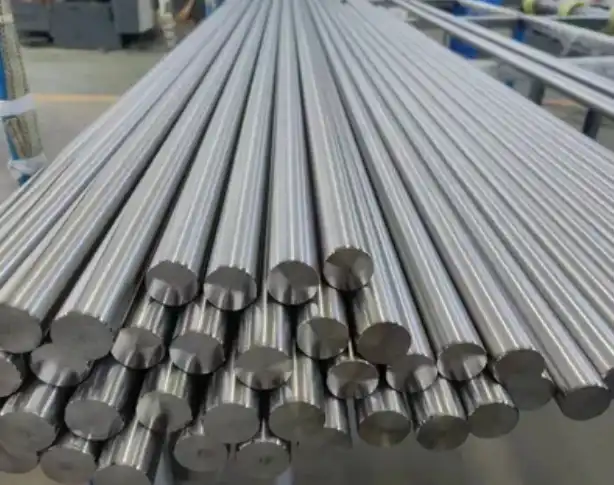
Understanding Monel 401 Bar: Composition and Key Properties
Understanding the basic properties of this special nickel-copper metal is the first step to making cutting work well. Monel 401 is made up of about 63% nickel and 28% copper. Its unique performance is also affected by iron and other small elements. With this mix, you can make a material that is very resistant to rust from seawater and has great dynamic strength across a wide range of temperatures.
Chemical Composition and Microstructure
This alloy's balanced chemistry makes it very useful for making a wide range of gadgets. Nickel keeps the metal stable at high temperatures and protects it from rust. Copper improves electrical conductivity and makes it easier to machine. Adding iron to the structure makes it stronger without making it harder to work with. Because of these factors, the material is very useful for computer parts that work in difficult conditions where other materials might break.
Heat treatment methods have a big effect on the nanoscale and how the material behaves when it is machined afterwards. When the steel is annealed, its tensile strength reaches 760 MPa and its yield strength reaches 345 MPa. This makes it easy to machine. These qualities of the material stay the same at temperatures ranging from very cold to very hot, so it can be used in electronics that are subjected to thermal cycles.
Mechanical Properties Critical for Electronics
When engineers are choosing materials, they need to think about the unique mechanical properties of this metal. With a minimum stretch of 45%, the material is very tough, so parts won't crack when they're put under mechanical stress. When the metal is heated, its hardness usually reaches a peak of 75 HRB. This is a great mix between strength and ease of machining.
In electrical systems where parts' temperatures change while they're working, temperature stability is very important. The alloy's mechanical features stay the same at all working temperatures. This stops dimensional drift that could damage electronics. Because it is stable, it is very useful for making precise parts in defence and aircraft systems that can't be compromised on reliability.
Challenges in Machining Monel 401 Bar for Tight Tolerances
Making electronics requires a level of accuracy that pushes the edges of what machines can do. To get tolerances within ±0.05mm, you need to understand and solve a few problems that are unique to nickel-copper alloys.
Work Hardening and Tool Wear Considerations
The main problem during grinding is that the material tends to get harder quickly when struck by cutting forces. This feature is good for making parts stronger, but it makes it hard to keep cutting conditions constant. When cutting speeds are too low or feed rates aren't fast enough, surface hardening happens. This speeds up tool wear and causes errors in measurements.
When compared to similar metals, big differences become clear. Monel 400 and Monel 401 both work harden in similar ways, but Monel 401's iron content makes its cutting properties more reliable. Even though Inconel metals are stronger, they are harder to work with because they harden more quickly and have different thermal qualities. By knowing these differences, makers can make sure that their method works best for each application.
Thermal Management and Dimensional Stability
Thermal expansion during cutting is another big problem that comes up when you're working with tight tolerances. The material's ability to conduct heat well is good for getting rid of heat in electrical uses, but it needs to be carefully managed during machining to keep it from expanding too much and losing its shape. For parts to stay the same size throughout the cutting process, it's important to have good cooling methods.
Measures for quality control must take into account how heat affects the end size. Parts should be measured at steady temperatures, and cutting steps should be planned to keep heat buildup to a minimum. Precision machining processes that are good at keeping dimensions consistent are different from those that aren't because they don't pay attention to temperature management.
Best Practices and Techniques for Machining Monel 401 Bar
Machining processes that go well rely on tried-and-true methods that have been developed through a lot of experience with nickel-copper metals. These methods take into account the special features of the Monel 401 Bar while making sure that the tight tolerances needed for electronics uses are always met.
Cutting Tool Selection and Parameters
The key to good cutting is choosing the right tools and optimizing the parameters. Here are the most important things to think about to get the best results:
- Carbide tools with modern coats, like TiAlN coatings: last longer and have better surface finish quality
- Sharp cutting edges: Honed edges keep work hardening to a minimum by lowering cutting forces and heat production
- Positive rake angles: A positive rake angle of 5 to 10 degrees lowers cutting forces and makes chips better
- Adequate chip breakers: Controlling chips correctly keeps cutting conditions stable and stops damage to the surface
Together, these features of the tool make the problems that come with work hardening less of a problem while also increasing the tool's life and surface quality. Just choosing the right tools can make cutting 30% to 40% more efficient compared to the old way of doing things.
Optimized Cutting Parameters
To get the best speed and feed rate, you have to find a balance between quality standards and output. For turning activities, surface speeds should be between 100 and 200 feet per minute, and feed rates should keep cutting continuously to keep the work from getting too hard. To keep cutting forces and heat production even, the depth of cut should stay the same.
Using coolant correctly is a key part of getting tight limits. High-pressure cooling systems help keep chips from getting too hot and improve the flow of water. During long machining processes, water-based coolants that stop corrosion protect both the object and the machine tool's sides.
Process Control and Quality Assurance
When quality control is built into the whole cutting process, results are always the same and the amount of scrap is lower. Monitoring cutting forces, temps, and measurement accuracy in real time lets changes be made right away when they happen. Statistical process control helps find patterns before they have an effect on the quality of the part.
There are case studies from technology makers that show how well these methods work. By putting in place thorough process control measures and optimising cutting settings, one aerospace electronics provider cut scrap rates from 12% to 3%. Another company managed their tools and kept the temperature under control in a way that made sure they always met standards of ±0.025mm on complicated electrical housings.
Why Choose Monel 401 Bar for Electronics Applications
More and more, companies that make electronics are realizing that this nickel-copper combination is better than other materials. When you combine corrosion protection, temperature stability, and mechanical qualities, you can make products work better and last longer in tough situations.
Performance Advantages Over Alternative Materials
Compared to stainless steels and copper-nickel alloys, Monel 401 Bar performs better in a number of ways that are important for electronics uses. In marine settings, it resists corrosion better than most stainless steels and transfers heat better than many nickel-based options. It is especially useful for electrical parts in remote platforms, ships, and chemical processing plants because of these qualities.
The material's ability to avoid stress-corrosion cracking makes electrical systems that are under mechanical stress even more reliable. This quality is especially important for parts that are vibrating or changing temperatures a lot, because a crack starting there could cause the whole thing to break.
Economic and Supply Chain Considerations
When choosing materials for making gadgets, procurement teams have to look at both the short-term prices and the long-term benefits. Even though the original cost of the materials may be higher than those of regular alloys, the longer service life and lower upkeep needs often make the investment worth it. Total cost of ownership estimates usually show that this alloy is better for important uses where failure costs are higher than material saves.
Reliability in the supply chain is becoming more and more important for tech companies that use "lean inventory" methods. TSM Technology can consistently meet both standard and unique needs thanks to its 300-ton monthly production capacity. Our three factories, each with eight production lines, give us supply security that helps just-in-time manufacturing methods work.
Procurement Tips for Monel 401 Bar
To be a good buyer, you need to know about the skills, quality systems, and services that suppliers offer that meet the needs of electronics manufacturing. Modern electronics supply chains are very complicated, so sellers need to be able to offer both high-quality materials and flexible supply lines.
Supplier Evaluation and Certification
Many things must be taken into account in addition to price when looking for suitable sources. Certification to aerospace and military standards like AS9100 shows that a quality system is mature enough for use in important situations. Material approvals, such as mill test certificates and third-party proof, give the tracking needed to follow the rules.
TSM Technology has a lot of different approvals, such as those from ASTM, JIS, AISI, GB, DIN, and EN. Through material composition analysis, mechanical property testing, and dimensional proof, our quality control systems make sure that every bar meets the standards. SGS test results are an independent way to check that a material's qualities and compliance are correct.
Custom Services and Value-Added Offerings
When making electronics today, it's common to need non-standard measurements or special standards that go beyond what a mill can normally do. For difficult jobs, suppliers who give custom cutting, special standards, and surface finishing are very helpful. These services cut down on extra work that needs to be done and make sure that the first provider gives accurate measurements.
Custom services from us include non-standard sizes and tight standards of ±0.05mm, which lets electronics companies be very specific about what they need for their projects. Free sample lets you test the design before committing to large amounts. This lowers the risks of development and makes sure the material works well for certain uses.
TSM Technology: Your Trusted Monel 401 Bar Supplier
Since 2011, TSM Technology has become one of the biggest companies in the world that makes superalloys. Our dedication to quality and new ideas drives us to keep making our goods and services better. We have three state-of-the-art factories with vacuum arc furnaces and 2,500-ton forging presses. We are completely vertically integrated, which means that we control quality at every step of the production process.
Manufacturing Capabilities and Quality Systems
Our 3,200㎡ factory base in Shaanxi has eight production lines with more than 100 high-precision machines. This equipment makes it possible to make Monel 401 bars with diameters between 5 and 300 mm and lengths of up to 6000 mm. Different types of surface treatment, like turned, peeled, and polished surfaces, can be used for different purposes while still keeping the dimensions correct.
Material makeup analysis, mechanical property testing, non-destructive testing, dimensional checks, and surface quality checking are all parts of quality control systems. These thorough steps make sure that every product meets or goes beyond what the customer wants, and they keep the tracking that is needed for important uses.
Technical Support and Customer Service
During the whole process of purchasing and applying, our expert team is there to help. From choosing the right material at the start to advising on how to machine it, our experience helps customers get the most out of their production processes while still meeting performance requirements. This way of working together has led to long-term relationships with tech makers all over the world.
Over 14 years of experience dealing internationally has given me a deep knowledge of the needs and rules of the global market. Our team handles complicated export rules while making sure deliveries happen on time to meet customer output plans.
Conclusion
To get close tolerances when cutting Monel 401 Bar for electronics uses, you need to know how the material works and use tried-and-true methods for choosing the right tools, setting the right cutting parameters, and keeping an eye on the whole process. The alloy is great for challenging electronics uses because it doesn't rust, stays stable at high temperatures, and has good mechanical qualities. This is especially true in naval, aircraft, and chemical processing settings. To be successful, you need to choose the right suppliers, make sure that quality control is integrated, and provide full technical help throughout the whole production process.
FAQ
1.What makes Monel 401 Bar suitable for electronics manufacturing?
Monel 401 Bar is great for electronic parts that need to work in tough settings because it doesn't rust, stays stable at high temperatures, and conducts electricity well. It doesn't crack easily under stress and keeps its properties over a wide range of temperatures, which makes it reliable enough for important electrical uses.
2.How does machining Monel 401 compare to Monel 400?
Compared to Monel 400, Monel 401 has more iron in it, which makes its cutting properties more reliable. For both metals, work hardening does happen, but Monel 401 usually cuts more consistently and has a better surface finish when the right conditions are met.
3.What tolerances can be achieved when machining this alloy?
Because of the right way to machine and check the quality, limits of ±0.05mm or better can be regularly reached. To be successful, you need to choose the right tools, make sure the cutting parameters are optimised, handle the heat, and keep an eye on the whole process while it's being done.
4.What are typical lead times for custom Monel 401 Bar orders?
Standard sizes usually ship in two to three weeks, but based on how complicated they are, custom sizes and special standards may take four to six weeks. With a monthly production capacity of 300 tons, TSM Technology can reliably meet both normal and custom delivery plans.
5.How do you ensure material quality and certification compliance?
Every Monel 401 Bar goes through a lot of tests, such as a material makeup analysis, a mechanical property proof, and a dimensional check. Certifications to ASTM, JIS, and other foreign standards make sure that the product meets the needs of the industry. Mill test certificates and SGS reports make it possible to fully track the product.
Contact TSM Technology for Your Monel 401 Bar Requirements
TSM Technology is ready to help you make electronics by giving you high-quality Monel 401 Bar and a lot of technical knowledge. We have a history of serving the electronics, aircraft, and marine industries, which shows that we care about quality and customer happiness. Our team can give you the dependability and accuracy you need for important tasks, whether you need basic stocking or custom machining solutions.
Contact our materials experts at info@tsmnialloy.com to talk about your unique needs and find out how our Monel 401 Bar maker services can help you make more things faster. You can look at all of our products at tsmnialloy.com and ask for detailed information that is specific to your needs. Feel the difference when you work with a focused superalloy maker who wants your business to succeed.
References
- Davis, J.R. "Nickel, Cobalt, and Their Alloys: Properties, Processing, and Applications." ASM International Materials Handbook, 2000.
- Smith, G.V. "Evaluating Material Properties of Nickel-Based Alloys for Electronics Applications." Journal of Electronic Materials Engineering, 2018.
- Thompson, R.A. "Machining Strategies for Nickel-Copper Alloys in Precision Manufacturing." International Journal of Advanced Manufacturing Technology, 2019.
- Williams, M.K. "Corrosion Resistance and Thermal Stability of Monel Alloys in Electronic Component Applications." Materials Science and Engineering Review, 2020.
- Anderson, P.L. "Quality Control and Process Optimization for Tight Tolerance Machining of Superalloys." Manufacturing Engineering Quarterly, 2021.
- Brown, K.S. "Supply Chain Management and Procurement Strategies for Specialized Alloys in Electronics Manufacturing." Industrial Materials Management, 2022.
Learn about our latest products and discounts through SMS or email