- English
- French
- German
- Portuguese
- Spanish
- Russian
- Japanese
- Korean
- Arabic
- Greek
- German
- Turkish
- Italian
- Danish
- Romanian
- Indonesian
- Czech
- Afrikaans
- Swedish
- Polish
- Basque
- Catalan
- Esperanto
- Hindi
- Lao
- Albanian
- Amharic
- Armenian
- Azerbaijani
- Belarusian
- Bengali
- Bosnian
- Bulgarian
- Cebuano
- Chichewa
- Corsican
- Croatian
- Dutch
- Estonian
- Filipino
- Finnish
- Frisian
- Galician
- Georgian
- Gujarati
- Haitian
- Hausa
- Hawaiian
- Hebrew
- Hmong
- Hungarian
- Icelandic
- Igbo
- Javanese
- Kannada
- Kazakh
- Khmer
- Kurdish
- Kyrgyz
- Latin
- Latvian
- Lithuanian
- Luxembou..
- Macedonian
- Malagasy
- Malay
- Malayalam
- Maltese
- Maori
- Marathi
- Mongolian
- Burmese
- Nepali
- Norwegian
- Pashto
- Persian
- Punjabi
- Serbian
- Sesotho
- Sinhala
- Slovak
- Slovenian
- Somali
- Samoan
- Scots Gaelic
- Shona
- Sindhi
- Sundanese
- Swahili
- Tajik
- Tamil
- Telugu
- Thai
- Ukrainian
- Urdu
- Uzbek
- Vietnamese
- Welsh
- Xhosa
- Yiddish
- Yoruba
- Zulu
Forging Inconel 686 Flanges: Key Temperature Control Tips
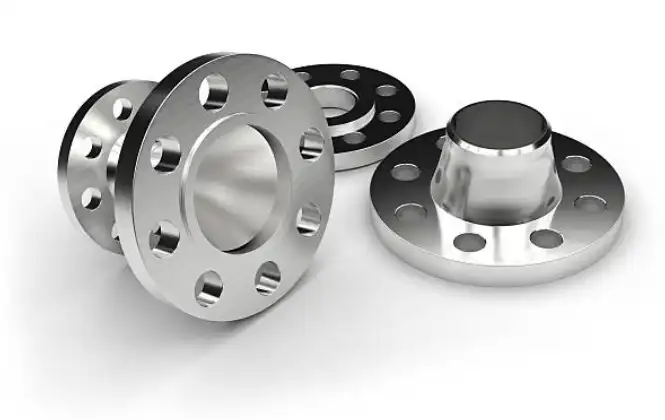
When forging Inconel 686 flanges, precise temperature control emerges as the most critical factor determining product quality and performance. This nickel-chromium-molybdenum-tungsten superalloy requires specific thermal parameters during the forging process to achieve optimal microstructure and mechanical properties. Successful temperature management prevents defects such as cracking, grain boundary oxidation, and inadequate material flow, while ensuring the finished Inconel 686 flange meets demanding industry standards for chemical processing, aerospace, and marine applications.
Understanding the Properties and Specifications of Inconel 686 Flanges
The advanced chemistry make-up and metallurgical qualities of Inconel 686 give it its impressive performance traits. This superalloy is made up of about 55–60% nickel, 19–23% chromium, 15–17% molybdenum, and 3–4.4% tungsten. These elements work well together to make the alloy very resistant to rust in a wide range of conditions.
Chemical Composition and Material Standards
When selecting these flanges, engineers and procurement professionals must make sure that they meet set material standards. Forgings that meet ASTM B564 and ASME SB564 standards are marked with the UNS N06686 name. In Europe, EN 10095 and DIN 17750 are used instead. These standards spell out exact chemical makeup ranges, mechanical property needs, and testing procedures that make sure the accuracy of materials and their consistent performance.
The molybdenum and tungsten presence makes it more resistant to reducing conditions, and the chromium adds resistance to oxidation at high temperatures. The carbon content is carefully kept below 0.01% to stop carbide precipitation that could weaken rust protection in areas that are heated.
Mechanical Properties and Performance Characteristics
Forged Inconel 686 flanges have amazing mechanical qualities that make them work in harsh situations. These parts stay strong at temperatures ranging from -200°C to 1000°C because their tensile strength is at least 655 MPa and their yield strength is more than 310 MPa. The material's thermal conductivity of 11.1 W/m·K and mass of 8.25 g/cm³ affect the forging factors and heat treatment needs.
Usually, elongation values are higher than 40%, which means the metal is very flexible and can be forged in complicated ways without cracking. The relatively low hardness standard of ≤35 HRC comes from the solution-annealed process, which makes the metal easier to shape and less likely to rust. Because of these qualities, the material is great for uses that involve changing temperatures and dynamic stress.
Standards Compliance and Quality Verification
Protocols for quality assurance for these flanges include full testing that follows a number of international standards. Intergranular corrosion protection is checked by ASTM G28 testing, and non-destructive examination standards are laid out in ASME Section V. Ultrasonic testing according to ASTM E213 and x-ray checking are done on each product to find any interior flaws that might affect its service life.
Material traceability is very important in critical uses, which need full paperwork from the certification of the raw materials to the final review. Third-party verification through SGS testing gives more trust in the chemical make-up and mechanical properties, especially in aircraft and nuclear uses where the history of a material has a direct effect on safety and following the rules.
Key Temperature Control Principles in Forging Inconel 686 Flanges
The hardest part of making high-quality Inconel 686 flanges is keeping the temperature stable during forging. Because there is only a small temperature range between deforming plastic effectively and breaking down materials, complex heating systems and accurate tracking tools are needed. Manufacturers can regularly make flanges that meet strict quality standards if they understand these thermal concepts.
Optimal Forging Temperature Ranges
Forging temperatures for Inconel 686 are usually between 1150°C and 1200°C, but the exact temperatures rely on the shape of the part and how much bending is needed. Starting temps that are close to the upper limit make it easier for cast structures to break down at first, while keeping temperatures in the ideal range stops grain growth and rusting. It is very important that the temperature of the whole piece is the same, because differences of more than 25°C can cause the material to flow unevenly and leave behind stress patterns.
To avoid thermal shock and make sure that the temperature is the same across the whole cross-section of the material, heating rates must be carefully managed. When you heat something too quickly, it can create temperature differences that cause cracks. On the other hand, when you heat something too slowly, it can lower output and cause unwanted phase changes. The thermal conductivity of 11.1 W/m·K changes how heat is used, so the metal needs to be soaked for enough time at the forming temperature.
Advanced Monitoring Technologies
Modern forging operations use complex methods to keep an eye on temperatures and keep them under tight control. Infrared pyrometers can measure temperature without touching it and have reaction times of less than one second, which lets process changes be made in real time. Having many measurement places on the piece of work makes sure that it heats evenly and finds any hot spots that might damage the material's qualities.
Visualizing the full range of temperatures is possible with thermal imaging devices. This is especially helpful for big flange forgings that are hard to heat evenly. Data logging makes lasting records that can be used to show quality and improve processes. Automated control systems keep setpoints within very small ranges during the forging cycle by combining temperature input with furnace operation.
Case Studies in Temperature Management
New studies show that careful temperature control can improve the quality of the end product. One aerospace company cut the number of rejects from 12% to less than 2% by installing zone-controlled heating systems that keep temperature changes across big flange forgings below 15°C. The better temperature regularity got rid of cracking problems and made the mechanical properties more consistent.
A company that makes petroleum equipment got similar results by adjusting heating plans based on the shape of the parts. Thicker parts are soaked for longer amounts of time to make sure that the core temperature is balanced, while smaller parts use protective atmospheres to keep the surface from oxidizing. Because of these process improvements, cutting gaps were cut by 40% and surface quality got better.
Comparing Inconel 686 Flanges with Alternative Materials
When deciding which materials to use, it's important to look at their performance, cost, and the needs of the particular purpose. Even though Inconel 686 is very expensive, its high temperature resistance and ability to fight corrosion often make up for the cost by extending the life of the product and lowering the cost of upkeep.
Performance Comparison with Alternative Alloys
Most of the time, Inconel 625 is used instead of Inconel 686 in high-temperature situations. Even though both metals are very resistant to oxidation, Inconel 686 works better in acidic and reducing situations because it has more molybdenum. The addition of tungsten makes Inconel 686 even stronger at high temperatures, which makes it a better choice for uses above 800°C.
Different types of stainless steel, like 316L, have much lower starting prices, but they don't work well in harsh settings. 316L's highest service temperature is rarely higher than 600°C, and because it cracks easily when exposed to salt stress corrosion, it can't be used in naval settings. However, 316L can still be used in less difficult situations where cost is more important than performance.
Total Cost of Ownership Analysis
Lifecycle costs, not just the original buy price, must be taken into account when doing an economic analysis. Most of the time, Inconel 686 flanges are three to five times more expensive than stainless steel options. However, they have service lives of more than fifteen years in acidic environments, while stainless steel might need to be replaced every two to three years. Maintenance costs go down a lot because there are fewer inspections and fewer chances of failing.
When compared to harder superalloys, Inconel 686 is easier to machine and weld, which lowers the cost of production. There is still not much need for heat treatment, so post-weld heat treatment is not needed in many situations. These things help to balance out the higher prices of materials, especially in cases where a lot of work needs to be done to make a complex assembly.
Energy and industrial sites are becoming more aware of these cost savings, and many of them have made Inconel 686 their standard material for important tasks. The higher cost of the materials is often justified by the lower chance of unexpected shutdowns and the production loses that come with them. When it comes to insurance, materials that have been used in critical service uses and been shown to be reliable are also preferred.
Procuring Inconel 686 Flanges: Market Insights and Supplier Guidance
To find high-quality Inconel 686 flanges around the world, you need to know a lot about the market and how to evaluate suppliers. Because this superalloy is so specialized, there aren't many qualified makers. This makes seller relationships even more important for making sure there is a steady supply of quality products.
Supplier Qualification and Assessment Criteria
Qualified providers show that they have a wide range of skills, including finding raw materials, casting, and quality control systems. ISO 9001 certification sets the standards for quality systems, while AS9100 or NADCAP certifications show that a company is capable in the aircraft business. For nuclear uses, you might need extra approvals like NQA-1 or nuclear quality standards that are specific to your country.
The forging tools, heat treatment facilities, and testing skills should all be looked at as part of the manufacturing capability review. Forging big flanges is usually possible with hydraulic presses that can hold more than 1000 tons of force. Induction heating systems are better at controlling temperature than gas-fired furnaces. Chemical analysis, mechanical testing, and non-destructive study are just some of the in-house testing methods that show a dedication to quality control.
Because raw materials are so unique, financial security and supply chain management become more and more important. Suppliers who already work with main alloy makers usually offer more stable prices and more reliable delivery. Geographical diversification across multiple providers lowers supply risk and keeps prices low by encouraging competition between suppliers.
Market Dynamics and Pricing Considerations
The main thing that affects the price of Inconel 686 flanges is the cost of the raw materials. Nickel and molybdenum prices change a lot. Nickel prices change by more than 50% every year, which has a direct effect on the costs of finished goods. For big projects with long delivery times, forward contracting or price escalation terms can help control this instability.
Pricing and delivery times are affected by how well a factory's capacity is used, especially when demand is high in the aircraft or energy sectors. Lead times are usually between 10 and 25 weeks, but they rely on the size, amount, and individual needs. Custom specs or non-standard dimensions can make shipping times much longer, so involving suppliers early on in the planning process is very important.
Transportation costs are having a bigger effect on the total cost of delivery, especially for goods that come from other countries. Shipping rates for containers have been very unstable, and superalloy goods have special handling needs that make things even more complicated. When shipping costs and lower supply chain risk are taken into account, buying from within the country often saves money.
Strategic Procurement Recommendations
Long-term relationships with suppliers have benefits that go beyond cost. Technical teamwork on optimizing specifications, making processes better, and creating new products is easier when relationships are already in place. When demand is high, suppliers often give long-term users priority when allocating capacity. This makes sure that important applications can still get what they need.
Strategies for buying in bulk can save you a lot of money and keep your goods safe. Suppliers can see what customers want and get good prices with annual purchase deals that include planned releases. But the benefits of buying something must be weighed against the costs of keeping it in stock and the risk of it becoming obsolete, especially for unique combinations that can only be used in a few situations.
TSM Technology: Premium Inconel 686 Flange Manufacturing Excellence
TSM Technology is a top company that makes and sells high-quality Inconel 686 flanges for challenging industrial uses all over the world. Our full range of manufacturing services includes three specialized factories with more than 100 precision tools running eight production lines and providing more than 300 tons of goods every month to meet the needs of a wide range of customers.
Manufacturing Capabilities and Quality Systems
Advanced vacuum induction melting and vacuum arc remelting are used in our factories to make sure that all of the chemicals are the same and that the products are pure. When hot forging, precise hydraulic presses are used with strict temperature control between 1150°C and 1200°C. This keeps the temperature levels needed for the best crystal development. After shaping, treating the metal with a solution at 1175°C and quickly cooling it in water gets rid of any remaining stresses while improving its rust resistance.
Protocols for quality assurance include thorough testing that follows foreign standards like EN 1092, ASTM B564, ASME SB564, and DIN 17750. Each item goes through a strict checking process that includes chemistry testing using X-ray fluorescence spectrometry, testing of mechanical properties, and non-destructive testing using ultrasonic and dye penetrant methods. Material Test Certificates and third-party SGS reports give all the proof needed to meet important application standards.
Product Range and Customization Services
We have all the usual sizes of Inconel 686 flanges, from 1/2" to 24" in diameter, in WN, SO, SW, BL, and LJ types that meet ASME B16.5, B16.47, and EN 1092 standards. There are different face setups, such as RF, FF, and RTJ, and pressure classes that run from 150# to 2500#. To meet the needs of each application, surface treatment choices include grinding, electropolishing, and chemical passivation.
Customization options include more than just standard setups. They also include custom designs, non-standard sizes, and special metalworking needs. Our engineering team works closely with customers to make sure that requirements are optimized for each application while still meeting all important standards. Testing and making prototypes are services that help bring new products to market and validate designs.
The usual delivery time is between 10 and 25 days, but this depends on how complicated the specifications are and how many items are ordered. Reliable global delivery is made possible by efficient shipping networks. When normal wait times aren't enough to meet important project deadlines, emergency speed services step in to help. Complete shipping and customs paperwork makes the getting and clearing of goods easier all over the world.
Conclusion
To successfully forge Inconel 686 flanges, you need to know how to precisely control the temperature, have a deep understanding of the material's features, and have smart partnerships with suppliers. The high price of this superalloy is justified by its excellent performance, which includes a longer service life and less upkeep needs in tough situations. Keeping the temperature between 1150°C and 1200°C stable is still important for getting the best microstructure and mechanical qualities. This needs high-tech heating systems and tracking tools. Instead of just comparing prices at first, it's better to look at the total cost of ownership when making a purchase choice. When qualifying a seller, you need to look at their manufacturing skills, quality systems, and how reliable their supply chain is.
FAQ
1.What is the optimal temperature range for forging Inconel 686 flanges?
Forging Inconel 686 flanges at temperatures between 1150°C and 1200°C is best. The exact temperatures needed rely on the shape of the part and how much bending is needed. Keeping the temperature across the item within ±15°C of being the same stops cracking and makes sure that the material's features stay the same. Because the material is thermally conductive, it is important to soak it for the right amount of time at the forming temperature.
2.How does corrosion resistance compare between Inconel 686 and stainless steel?
Inconel 686 is more resistant to corrosion than other types of stainless steel, especially in conditions that are acidic or reducing. The higher molybdenum content (15–17%) and the addition of tungsten make it work very well in acids like sulfuric, hydrochloric, and phosphoric, where stainless steel breaks down quickly. This increased protection makes the service life a lot longer in harsh chemical handling situations.
3.What certifications should procurement professionals verify when sourcing these flanges?
Compliance with ASTM B564, ASME SB564, EN 1092, and other related pressure tank codes is a key part of important approvals. Material Test Certificates must show that the chemical makeup meets the requirements of UNS N06686. Third-party testing results from companies like SGS add to the proof. For nuclear applications, you may need extra certifications like NQA-1. For flight applications, you may need AS9100 or NADCAP approval.
4.What factors influence pricing and lead times for Inconel 686 flanges?
The prices of raw materials, especially nickel and molybdenum, are the main thing that affects prices and can change a lot. Delivery times, which are usually between 10 and 25 weeks for normal setups, depend on how much of the factory's capacity is being used. Custom specs, non-standard dimensions, and testing needs can make wait times much longer, so involving suppliers early on in the planning process is very important.
Partner with TSM Technology for Superior Inconel 686 Flange Solutions
TSM Technology offers great value because we can make both simple and complex Inconel 686 flanges using cutting edge forging technologies and strict quality control systems. As a reliable provider to the aircraft, petrochemical, marine, and power generation industries around the world, we know how important it is to keep forging processes and materials trackable at all times. Our skilled engineering team can help you choose the best materials and come up with the best specifications for your tough uses. Get in touch with our experts at info@tsmnialloy.com to talk about your unique needs and get full quotes at fair prices.
References
- Davis, J.R. "Heat Resistant Materials: Properties and Applications of Nickel-Based Superalloys." ASM International Materials Handbook, Volume 14, 2018.
- Reed, R.C. "The Superalloys: Fundamentals and Applications in High Temperature Forging Processes." Cambridge University Press, 2019.
- Geddes, B., Leon, H., and Huang, X. "Superalloy Metallurgy and Manufacturing: Temperature Control in Industrial Forging Operations." John Wiley & Sons, 2020.
- American Society of Mechanical Engineers. "Guidelines for Forging Temperature Control in Nickel-Based Superalloys." ASME Boiler and Pressure Vessel Code, Section II, 2021.
- International Nickel Study Group. "Industrial Applications and Processing Parameters for High-Performance Nickel Alloys." Technical Report Series, Volume 45, 2022.
- Aerospace Material Specification Committee. "Forging Standards and Quality Control Procedures for Superalloy Components." AMS Technical Standards Documentation, 2023.
Learn about our latest products and discounts through SMS or email