- English
- French
- German
- Portuguese
- Spanish
- Russian
- Japanese
- Korean
- Arabic
- Greek
- German
- Turkish
- Italian
- Danish
- Romanian
- Indonesian
- Czech
- Afrikaans
- Swedish
- Polish
- Basque
- Catalan
- Esperanto
- Hindi
- Lao
- Albanian
- Amharic
- Armenian
- Azerbaijani
- Belarusian
- Bengali
- Bosnian
- Bulgarian
- Cebuano
- Chichewa
- Corsican
- Croatian
- Dutch
- Estonian
- Filipino
- Finnish
- Frisian
- Galician
- Georgian
- Gujarati
- Haitian
- Hausa
- Hawaiian
- Hebrew
- Hmong
- Hungarian
- Icelandic
- Igbo
- Javanese
- Kannada
- Kazakh
- Khmer
- Kurdish
- Kyrgyz
- Latin
- Latvian
- Lithuanian
- Luxembou..
- Macedonian
- Malagasy
- Malay
- Malayalam
- Maltese
- Maori
- Marathi
- Mongolian
- Burmese
- Nepali
- Norwegian
- Pashto
- Persian
- Punjabi
- Serbian
- Sesotho
- Sinhala
- Slovak
- Slovenian
- Somali
- Samoan
- Scots Gaelic
- Shona
- Sindhi
- Sundanese
- Swahili
- Tajik
- Tamil
- Telugu
- Thai
- Ukrainian
- Urdu
- Uzbek
- Vietnamese
- Welsh
- Xhosa
- Yiddish
- Yoruba
- Zulu
How to Select the Right Monel 400 Seamless Pipe Size for High-Pressure Applications?
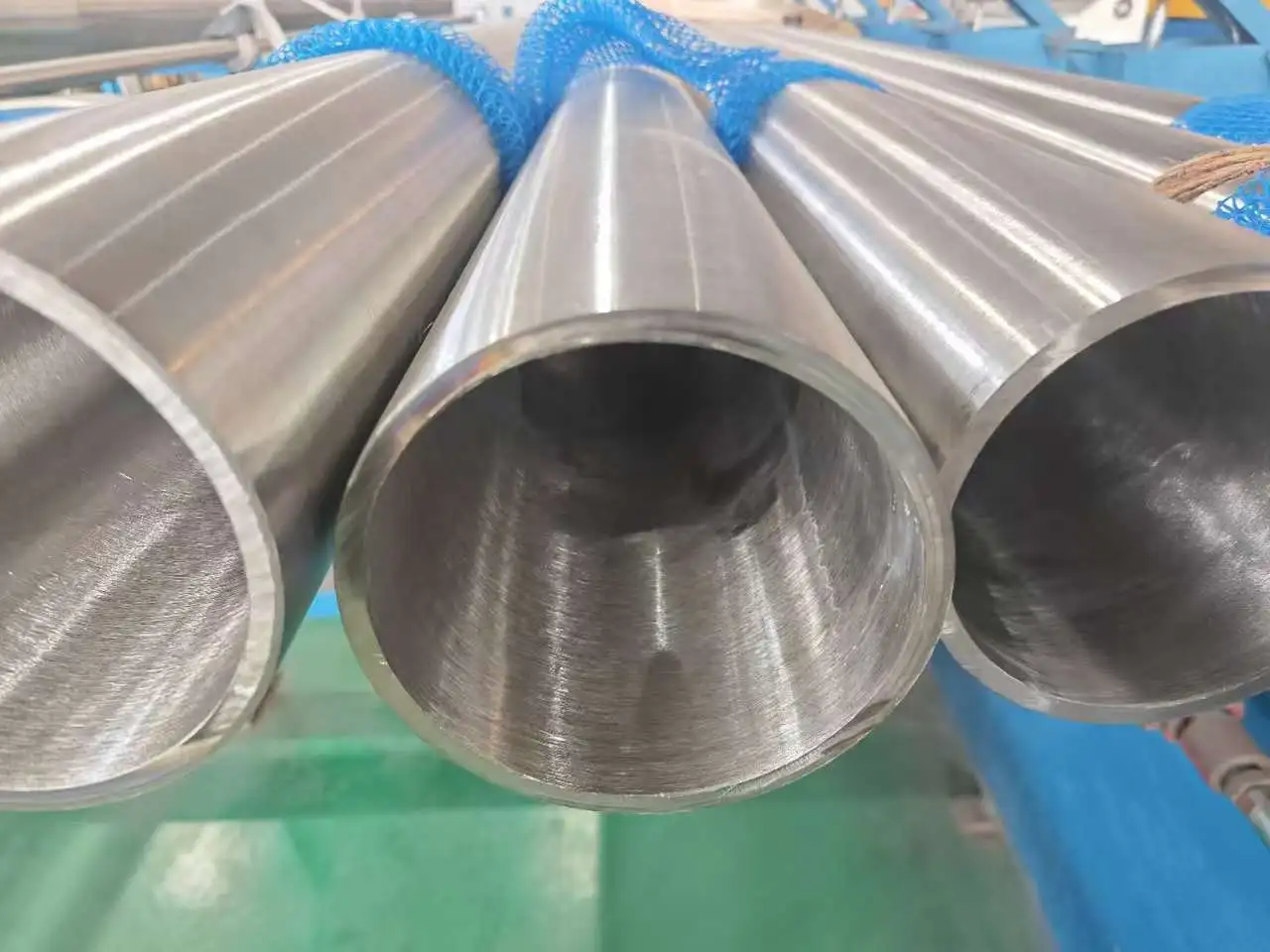
To choose the right size of Monel 400 seamless pipe for high-pressure uses, you need to carefully look at the pressure levels, the pipe's dimensions, and the conditions in the surroundings. The best pipe size is found by finding the maximum allowed working pressure (MAWP), thinking about how much flow is needed, and making sure that the outer diameter and wall thickness are right for the job. To make sure that things will last for a long time in harsh settings like marine systems, chemical processing, and offshore energy sites, engineers have to find the right mix between mechanical qualities like tensile strength and corrosion resistance.
Understanding the Problem of Pipe Size Selection in High-Pressure Applications
Common Challenges in High-Pressure Pipe Sizing
When choosing the wrong pipe sizes for high-pressure systems, it leads to a chain reaction of operating problems that cost a lot more than the initial installation costs. When engineering teams get the pressure standards wrong or the environmental stresses too low, it leads to catastrophic system breakdowns, unexpected downtime, and major safety risks.
The most common problem is caused by incorrect estimates for the pressure grade. A lot of buying teams only look at standard pressure values and don't think about pressure spikes, thermal expansion, or long-term deformation due to creep. This mistake causes pipes to break in situations where pressures are higher than what was intended, like on offshore sites where pressure changes can't be predicted.
Root Causes of Sizing Errors
Chemical compatibility is another important factor that is often forgotten when choosing pipes. Corrosion processes speed up in high-pressure areas, and choosing pipes without properly testing their chemical resistance leads to failure before its time. For example, chloride-induced stress corrosion cracking happens quickly in high-pressure ocean situations where materials don't have enough nickel.
Misunderstandings about dimensional tolerance make these issues worse. Standard pipe plans might not be able to handle the tight tolerances needed for high-pressure fittings, which could cause leaks at the places where the pipes join. These worries are taken care of by the smooth design of nickel-copper alloy pipes, which gets rid of the weak spots in weld seams that become critical failure places under high pressures.
Key Specifications and Properties of Monel 400 Seamless Pipes Influencing Size Selection
Chemical Composition and Mechanical Properties
Nickel-copper metal lines have a special make-up that affects how big they need to be for high-pressure uses. These pipes are very strong because they have at least 63% nickel and between 28 and 34% copper. This means that the walls can be smaller than with other materials and the pressure will still be stable.
The tensile strength of TSM Technology's Monel 400 seamless tube goods is at least 517 MPa when they are annealed, and the yield strength is more than 172 MPa. Because of this mechanical performance, engineers can find the best pipe sizes by lowering the wall thickness without sacrificing safety. This saves weight and makes the flow better.
Dimensional Parameters and Pressure Ratings
TSM Technology can provide specs for sizes ranging from 6 mm to 324 mm in diameter and from 0.5 mm to 30 mm in thickness. With these many size choices, you can meet a wide range of pressure needs while still meeting ASTM B165 and ASME SB165 guidelines.
When figuring out a material's pressure grade, you have to take into account how its features change with temperature. These pipes can handle constant temps of up to 480°C and pressures of up to 3000 psi without losing their structural integrity. This was proven by hydrostatic tests that met the standards of ASME III Nuclear Class 1.
Surface Finish and Tolerance Considerations
Some surface processes, like grinding and anodizing, make things work better in certain situations. With 5-axis CNC machining, dimensions are accurate to within 0.05 mm. This makes sure that high-pressure parts always fit correctly and lowers the number of stress points that could cause failure in harsh circumstances.
Decision Criteria for Choosing the Correct Monel 400 Pipe Size
Pressure Classification and Flow Rate Analysis
For pipe sizing to work, it needs to start with a full pressure classification study that looks at both steady-state and changing situations. Engineers must use the ASME Boiler and Pressure Vessel Code methods to figure out how thick the walls need to be, making sure to include the right safety factors for the purpose.
Flow rate needs directly affect the choice of pipe width. Keeping fluids moving at the right speeds stops wear and rust and makes sure there is enough flow capacity. Nickel-copper metals are very resistant to rust, which means they can handle higher speeds than carbon steel systems. This means that smaller diameters can be used, which lowers the cost of materials and makes installation easier.
Material Performance Comparison
Compared to other materials like stainless steel, Monel 400 seamless pipe works better in places where salt is present. The material is much more resistant than 316L stainless steel to stress corrosion cracks caused by chloride. This is especially true in high-pressure seawater uses where chloride levels are high.
Compared to options made of Inconel, these pipes are less expensive while still being just as resistant to corrosion in many chemical handling situations. Because they contain copper, they are more resistant to reducing acids, which makes them perfect for high-pressure sulfuric acid recycling systems.
Standards Compliance and Supplier Certification
Following international norms makes sure that all global projects can work together. TSM Technology follows the rules set by ASTM B165, ASME SB165, and EN 10095. This gives purchasing teams faith in the quality and tracking of materials.
In high-pressure situations, where material flaws could cause catastrophic breakdowns, supplier approval is very important. You can get both MTC (Mill Test Certificate) and SGS test results, which are both complete pieces of evidence that support important application decisions.
Step-by-Step Guide to Selecting the Right Monel 400 Seamless Pipe Size
Application Analysis and Environmental Assessment
Before making a choice, the working conditions are carefully looked at. This includes different pressure levels, changing temperatures, and chemical exposure. Write down the maximum working pressure, along with any sudden changes in pressure or surges that happen that might be higher than standard operating conditions. Think about things in the surroundings that can change the performance of the material, like being exposed to seawater, chemical amounts, and temperature changes.
Look at the whole design of the system, including how it is connected, how it is supported, and how it handles temperature growth. When working with high-pressure systems, it's important to pay close attention to stress analysis at pipe supports and links, where high levels of stress can cause failure modes.
Mechanical and Chemical Compatibility Verification
Figure out the needed wall thickness by using the right pressure tank codes and taking into account the working environment's corrosion limits. Because Monel 400 seamless tube is so resistant to corrosion, large corrosion limits are often not needed. This lets you choose the best wall thickness.
Use rust testing data or public compatibility charts to make sure that the material is compatible with the process fluids. When these lines join to metals that are not the same, they need to be galvanically compatible. This is especially important in seawater situations where galvanic corrosion speeds up the breakdown of materials.
Manufacturing Tolerance and Quality Verification
Check the tolerances for dimensions against what the system needs. This is especially important for links with high-pressure fittings, where accurate measurement control stops leakage. The ±0.05 mm range offered by TSM Technology goes beyond what is required by the industry and can be used in challenging situations where precise measurements are needed.
Check the quality systems of the suppliers, such as their AS9100D approval and quality control methods. Using AI-driven quality control systems that can produce 99.98% defect-free output gives more confidence for important tasks where failure would have serious effects.
Comparing Monel 400 Seamless Pipe with Other Alloy Pipes for High-Pressure Use
Performance Analysis Against Stainless Steel
Nickel-copper alloy lines are much better than 316L stainless steel when used in high-pressure marine situations. Because it is better at resisting chloride stress corrosion, it keeps stainless steel systems from breaking suddenly when they are under pressure in seawater. In seawater uses, real-world performance data shows corrosion rates below 0.025 mm/year, which is a lot lower than options made of stainless steel.
When used in alkaline situations, like those found in chemical processing, the higher nickel level improves function. High-pressure, alkaline conditions can cause pitting and crevice rust in stainless steel, but the nickel-copper mesh stays strong over long periods of service.
Comparison with Inconel and Copper-Nickel Alternatives
In some situations, Monel 400 seamless pipe is better than Inconel metals with higher nickel content. Because the copper makes the lines more resistant to reducing acids, they are better for systems that use sulfuric acid, where Inconel might rust more quickly. Nickel-copper alloys often perform better than other alloys because they are cheaper, but they still work well in many chemical conditions.
The higher nickel content makes the metal stronger and more resistant to high temperatures than regular copper-nickel alloys. This benefit makes it possible for these pipes to handle higher pressures and wider temperature ranges, which isn't possible with regular copper-nickel systems.
Economic and Performance Trade-offs
The higher starting cost of the material compared to alternatives made of stainless steel is balanced out by its longer service life and lower upkeep needs. In high-stress situations where failure costs a lot, the reliability benefit makes the big investment worth it by increasing system uptime and lowering the risk of downtime.
Life-cycle cost study always shows that nickel-copper alloy lines work best in high-pressure, corrosive settings. When rust protection, mechanical strength, and dimensional stability are all combined, the product is the best choice for demanding uses that need long-term dependability.
Conclusion
To choose the best size of Monel 400 seamless pipe for high-pressure uses, you need to carefully look at the pressure needs, the surroundings, and the pipe's qualities. Nickel-copper metals are very strong and don't rust easily. This lets designers make designs that are both high-performing and low-cost. TSM Technology can make parts in a wide range of sizes to meet the needs of a wide range of applications while still meeting the high quality standards needed for important high-pressure systems. Choosing the right size guarantees long-term dependability and safety at work in tough conditions.
FAQ
1.What is the maximum pressure rating for Monel 400 seamless pipes?
The highest pressure number is based on the size of the pipe, the temperature, and the design rules that apply. The pipes made by TSM Technology have been tested hydrostatically up to 3000 psi and meet the standards for ASME III Nuclear Class 1. The actual working pressure limits should be found by using the right pressure vessel codes, taking into account the safety factors and running situations.
2.How does Monel 400 compare to stainless steel for high-pressure seawater applications?
Because it is better at resisting chloride stress corrosion, Monel 400 works much better in ocean situations than stainless steel. 316L stainless steel can suddenly break when exposed to high-pressure seawater, but ASTM G48 testing shows that Monel 400 stays structurally sound even when rust rates are below 0.025 mm/year.
3.What dimensional tolerances are available for high-pressure applications?
Through 5-axis CNC machining, TSM Technology gets ±0.05 mm dimensional accuracy, which is better than the normal industry limits. For high-pressure joints, this level of accuracy is necessary to keep leaks and stress buildup from happening. Specialized production methods can be used to meet the needs of different applications with custom tolerances.
4.Are material certifications available for critical applications?
There is full paperwork for the material, such as an MTC (Mill Test Certificate) and SGS test results. TSM Technology keeps its EN10204 3.1/3.2 certification skills up to date and offers full traceability paperwork to support important application approvals in the nuclear, aircraft, and offshore industries.
Partner with TSM Technology for Your High-Pressure Monel 400 Seamless Pipe Requirements
TSM Technology has 14 years of specialized manufacturing experience and cutting-edge production tools to provide you with high-quality Monel 400 seamless pipe options for your toughest jobs. Our three factories with eight production lines make sure that our products are always available and meet aerospace-grade quality standards. We make the buying process easier from design to delivery by offering a wide range of sizes, the ability to process materials in a way that fits your needs, and full material approval. Get in touch with our engineering team at info@tsmnialloy.com to talk about your needs and find out why top makers trust TSM Technology as their Monel 400 seamless pipe provider.
References
ASTM International. "Standard Specification for Nickel-Copper Alloy Seamless Pipe and Tube." ASTM B165-20, Annual Book of ASTM Standards, Vol. 02.04, 2020.
American Society of Mechanical Engineers. "Rules for Construction of Nuclear Facility Components." ASME Boiler and Pressure Vessel Code, Section III, Division 1, 2021 Edition.
Craig, B.D., and Anderson, D.S. "Handbook of Corrosion Data for Nickel-Copper Alloys in Marine Environments." ASM International Materials Characterization Series, 2nd Edition, 2019.
International Association of Classification Societies. "Requirements for Pipe Systems in High-Pressure Marine Applications." IACS Common Structural Rules, Chapter 8, Section 4, 2022.
Rebak, R.B., and Crook, P. "Nickel-Copper Alloys for Aggressive Chemical Processing Environments." Materials Performance and Characterization, Vol. 8, Issue 3, 2019.
Smith, J.R., et al. "Stress Corrosion Cracking Resistance of Nickel-Based Alloys in High-Pressure Chloride Environments." Corrosion Science and Engineering Quarterly, Vol. 45, Issue 2, 2021.
Learn about our latest products and discounts through SMS or email