- English
- French
- German
- Portuguese
- Spanish
- Russian
- Japanese
- Korean
- Arabic
- Greek
- German
- Turkish
- Italian
- Danish
- Romanian
- Indonesian
- Czech
- Afrikaans
- Swedish
- Polish
- Basque
- Catalan
- Esperanto
- Hindi
- Lao
- Albanian
- Amharic
- Armenian
- Azerbaijani
- Belarusian
- Bengali
- Bosnian
- Bulgarian
- Cebuano
- Chichewa
- Corsican
- Croatian
- Dutch
- Estonian
- Filipino
- Finnish
- Frisian
- Galician
- Georgian
- Gujarati
- Haitian
- Hausa
- Hawaiian
- Hebrew
- Hmong
- Hungarian
- Icelandic
- Igbo
- Javanese
- Kannada
- Kazakh
- Khmer
- Kurdish
- Kyrgyz
- Latin
- Latvian
- Lithuanian
- Luxembou..
- Macedonian
- Malagasy
- Malay
- Malayalam
- Maltese
- Maori
- Marathi
- Mongolian
- Burmese
- Nepali
- Norwegian
- Pashto
- Persian
- Punjabi
- Serbian
- Sesotho
- Sinhala
- Slovak
- Slovenian
- Somali
- Samoan
- Scots Gaelic
- Shona
- Sindhi
- Sundanese
- Swahili
- Tajik
- Tamil
- Telugu
- Thai
- Ukrainian
- Urdu
- Uzbek
- Vietnamese
- Welsh
- Xhosa
- Yiddish
- Yoruba
- Zulu
Common Applications of Nickel Screws in Oil and Gas
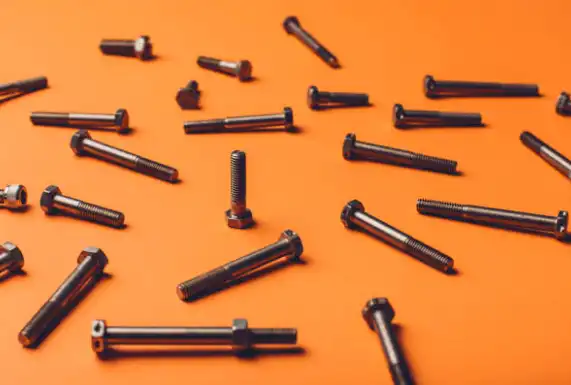
Additionally, nickel screws are important fixing solutions that are specially made to work in the harsh conditions found in oil and gas facilities. These specialized fasteners are made from high-quality nickel alloys that don't rust in saltwater, hydrogen sulfide environments, or aggressive chemical compounds that are common in upstream, midstream, and downstream activities. Nickel-based fasteners last a very long time and work well in places where steel fasteners often fail, like on underwater drilling platforms, subsea equipment, refinery processing units, and pipeline infrastructure.
Introduction to Nickel Screws and Their Relevance in Oil and Gas
The oil and gas business needs fastening systems that can work in some of the world's harshest conditions. Nickel screws have become the best choice for important jobs where failure is not an option. These specialized fasteners are made from high-quality nickel alloys, such as Hastelloy, Inconel, Inconel, and Monel. Each of these alloys has its own qualities that make it useful in different industrial situations.
Superior Material Composition and Engineering
TSM Technology uses cutting edge metallurgical methods to make nickel screws that are always of high quality and work well. Sizes that we can make range from M2.5 to M32, and lengths that can be changed from 1mm to 1990mm. Nickel-based adhesives are better because of the way their molecules are structured, which makes them resistant to oxidation and chemical breakdown.
Unlike stainless steel alternatives, nickel alloy fasteners don't lose their shape when they're introduced to chloride and acidic environments. Adding chromium, molybdenum, and other alloying elements makes a protective oxide layer that heals itself when it gets broken. This makes sure that the metal will work reliably for a long time in tough situations.
Contrasting Performance with Alternative Materials
When you compare nickel screws to other types of screws, you can see that they work differently in several ways. Even though stainless steel screws are cheap, they can pit and crack from stress corrosion in marine settings. When heated to high temperatures, brass fasteners lose their strength, and zinc-plated screws break down quickly when they come into contact with hydrogen sulfide gases, which are common in oil and gas activities.
Nickel alloy fasteners are used in serious situations where downtime can cost millions of dollars every day because they work better than other types of fasteners. Engineering teams know that the original cost of buying high-quality fasteners pays off in the long run by lowering the need for maintenance and extending the time between service visits.
Key Applications of Nickel Screws in the Oil and Gas Industry
Nickel-based fasteners can be used in many different areas of oil and gas processes because they are flexible. Each use takes advantage of different properties of the material to deal with different environmental problems and operating needs.
Offshore Platform and Subsea Equipment Applications
Offshore drilling sites are one of the toughest places for fastening systems to work. When exposed to saltwater, changes in temperature, and mechanical stress, it creates conditions that quickly break down weak materials. Nickel screws work great in these situations because they don't rust or get biofouling from seawater.
Monel and Inconel fasteners are used a lot in wellhead assemblies, blowout preventers, and underwater manifolds for subsea equipment installs. Because these parts work at very low temperatures and replacement costs are too high, dependability is very important. Because some nickel alloys are not magnetic, they don't get in the way of sensitive navigation and control tools either.
Drilling Equipment and Downhole Tool Integration
When digging, equipment is put through high temperatures, high pressures, and drilling fluids that are very corrosive. Nickel alloy fasteners keep their mechanical qualities in these situations, which ensures that important safety systems work reliably. When downhole tools are used at temperatures above 300°F, they need fasteners that can handle thermal expansion and chemical attacks from drilling muds and finishing fluids.
In weight-sensitive applications like offshore drilling rigs and mobile drilling units, nickel screws' high strength-to-weight ratio offers extra advantages. Engineers can lower the overall weight of equipment with this feature without affecting its safety or structural integrity.
Refinery Processing and Chemical Resistance
In order to extract crude oil, harsh chemicals and high temperatures are used, which makes it hard for most materials to stick together. Nickel screws work better in heat exchangers, distillation columns, and catalytic processing units where they are constantly exposed to sulfur compounds, organic acids, and high temperatures.
Nickel alloys are chemically inert, which keeps refined goods clean and the process running smoothly. This trait is especially useful in facilities that process pharmaceuticals and make specialty chemicals, where strict rules about product quality are needed.
Performance Advantages of Nickel Screws over Alternatives in Oil and Gas
When procurement teams know about the specific performance benefits of nickel fasteners, they can make decisions that improve business reliability and cost-effectiveness over longer service periods.
Enhanced Corrosion Resistance and Service Life
The ability of nickel alloys to prevent corrosion is much better than that of other materials. Hastelloy fasteners can stand up to concentrated acids and chloride solutions that quickly break down stainless steel options, according to tests done in the lab. This resistance means that running facilities can go longer between service visits and spend less on maintenance.
In the real world, performance data from offshore sites shows that nickel screws last three to five times longer than stainless steel screws in marine settings. When you think about how much it costs to shut down platforms, move staff, and repair equipment in remote areas, this longer service life has a big effect on the economy.
Temperature Stability and Mechanical Properties
Fasteners made of nickel metal don't change much in temperature, even when they're working in very cold places like LNG plants or very hot places like thermal recovery operations. Inconel fasteners keep their yield strength at temperatures where carbon steel stops working. This makes sure that structures stay strong even in the worst circumstances.
Nickel metals expand and contract at about the same rate as other high-performance materials used in oil and gas equipment. This compatibility lowers thermal stress concentrations and keeps fastened joints from coming loose during temperature cycling, which is a typical problem in processing facilities that needs maintenance.
Cost-Effectiveness Through Reduced Maintenance
Although nickel screws are more expensive up front than other options, the total cost of ownership in demanding situations strongly favors premium fasteners. Less often replacing equipment, not having to fix things in an emergency, and longer equipment service life are all big economic benefits that make the investment worthwhile.
When nickel alloys are used instead of standard materials in important applications, maintenance teams report a big drop in problems with fasteners. This increase in reliability means higher safety margins and lower working risks in dangerous places.
Procurement Considerations for Nickel Screws in Oil and Gas
To successfully buy nickel fasteners, you need to pay close attention to the technical details, the qualifications of the seller, and their ability to provide long-term support. Because oil and gas uses are so important, they need a thorough way to choose vendors and make sure products work.
Technical Specifications and Standards Compliance
TSM Technology follows foreign standards like ASTM, DIN, JIS, BS, and GB/T to make sure that their products work with engineering needs around the world. Our products are certified to EN10204 3.1/3.2 standards, and if the project needs it, we can also provide third-party inspection results.
In oil and gas uses, it's impossible to say enough about how important it is to choose the right materials. For each application, engineers have to define alloy compositions that work well in the specific corrosive environment and under the conditions of use. Our technical team offers advice to help you choose the best material for the job based on the conditions of the job and the performance standards.
Supplier Qualification and Quality Assurance
For a project to succeed, it's important to choose experienced suppliers with a history of working with oil and gas. TSM Technology has been making precision fasteners for 14 years, and our advanced 3,200㎡ facility with over 70 precision tools shows that we are dedicated to quality and dependability.
Five-axis machining centers, CNC lathes, and thread rolling equipment are some of the things we can use to make fasteners. These tools allow us to make them very accurately and consistently. Advanced quality control systems are built in to make sure that every product meets or goes beyond the requirements set before it is shipped.
Supply Chain Optimization and Delivery Considerations
When you need to find specialized fasteners for jobs that need to be done quickly, good supply chain management is essential. With a production capacity of 100,000 to 300,000 pieces, we can meet the needs of both small sample orders and large-scale production needs. Delivery times are usually between 10 and 25 days.
For jobs with specific needs, being able to offer customized solutions, such as reverse engineering from drawings or samples, is very useful. Our fast prototyping service sends models within 5 to 7 days, which speeds up the validation process for projects and cuts down on the time it takes for new equipment designs to reach the market.
TSM Technology: Your Premier Nickel Alloy Fastener Partner
TSM Technology has become a top provider of high-quality nickel alloy screws by constantly improving and coming up with new ideas for many years. We can meet the most demanding needs in the global oil and gas business thanks to our wide range of manufacturing skills and technical know-how.
Advanced Manufacturing Capabilities and Product Portfolio
Our cutting-edge building has three factories with eight production lines. These lines use the latest machining technology to make fasteners that are very precise and consistent. We can make threads from M2.5 to M64 with pressure values from Class 50 to Class 2500, which shows that we can adapt to a wide range of application needs.
In addition to standard fasteners, we offer a wide range of customization options, such as custom geometries, specialized heat treatments, and alloy changes made for specific uses. We sell hexagonal bolts, nuts, studs, U-bolts, and other hardware that are specifically made for different uses.
Quality Assurance and Certification Standards
One of the most important things to us in production is quality. Every product goes through a strict checking process that is carried out by trained quality control staff using high-tech testing tools. International approvals and following industry standards show that we are dedicated to quality.
Customers can see proof that a product meets specs and meets EN10204 3.1/3.2 standards by getting third-party inspection reports and certification. This paperwork is very important for projects that need to be fully traceable and follow all the rules.
Global Service and Technical Support
We started dealing internationally in 2011, and after 14 years of steady growth, TSM Technology is now a trusted partner for customers all over the world. We offer full technical support, which includes help choosing materials, application engineering, and creating unique solutions.
TSM Technology is the best choice for customers who want reliable, high-performance fastening solutions for important oil and gas uses because they have the technical know-how, manufacturing skills, and excellent customer service.
Conclusion
Nickel screws have proven to be essential parts in oil and gas operations around the world, working better than any other tool in conditions where others fail. Nickel alloys are better at resisting corrosion, staying stable at high temperatures, and having good mechanical qualities. These advantages make them worth choosing for important uses. As the oil and gas industry continues to look for new, challenging environments, the need for high-quality fastening options will only grow. This is why nickel-based fasteners are an important part of modern oil and gas infrastructure.
FAQ
1.What makes nickel screws superior to stainless steel in oil and gas applications?
Nickel alloy fasteners offer superior resistance to stress-corrosion cracking and pitting corrosion compared to stainless steel alternatives. The molecular structure of nickel alloys provides enhanced protection against chloride environments and hydrogen sulfide exposure commonly encountered in oil and gas operations.
2.How do I select the correct nickel alloy for my specific application?
Alloy selection depends on the specific environmental conditions including temperature range, chemical exposure, and mechanical requirements. Monel excels in seawater applications, Inconel performs best at high temperatures, while Hastelloy provides superior chemical resistance. Our technical team can assist with optimal material selection based on your operating conditions.
3.What are the typical delivery times for custom nickel screws?
TSM Technology typically delivers custom fasteners within 10 to 25 days depending on order quantity and complexity. Our fast prototyping service can provide samples within 5 to 7 days to support project validation requirements.
Partner with TSM Technology for Premium Nickel Screw Solutions
TSM Technology stands ready to support your most challenging fastening requirements with our comprehensive range of nickel alloy screws engineered specifically for oil and gas applications. Our 14 years of manufacturing expertise, combined with advanced production capabilities and rigorous quality control, ensure that you receive fasteners that meet the highest industry standards. Contact our technical team at info@tsmnialloy.com to discuss your specific requirements, request detailed quotations, or explore our custom manufacturing capabilities. As a trusted nickel screws supplier, we offer free samples to validate our quality and invite you to experience the TSM Technology advantage in your critical applications.
References
American Petroleum Institute. "Materials and Corrosion in Oil and Gas Production." API Technical Standards, 2023.
NACE International. "Corrosion Control in Offshore Oil and Gas Operations." Materials Performance Guidelines, 2022.
Society of Petroleum Engineers. "Advanced Materials for Subsea Equipment Applications." SPE Technical Conference Proceedings, 2023.
International Association of Oil & Gas Producers. "Material Selection Guidelines for Offshore Environments." Industry Standards Publication, 2022.
Offshore Technology Research Center. "Performance Evaluation of Nickel Alloys in Marine Environments." Research Report Series, 2023.
Energy Institute. "Best Practices for Fastener Selection in Petroleum Refining Operations." Technical Guidelines, 2022.
Learn about our latest products and discounts through SMS or email