The operational effectiveness and safety of marine equipment both improve when maintenance needs are cut down. Because nickel fasteners such as nickel screws are so reliable, there is less chance that they will break down when they're least expected, which could put ship safety at risk or stop important marine activities. This consistent performance is especially helpful in remote marine areas where it's hard to get replacement parts and repair services.
English
- English
- French
- German
- Portuguese
- Spanish
- Russian
- Japanese
- Korean
- Arabic
- Greek
- German
- Turkish
- Italian
- Danish
- Romanian
- Indonesian
- Czech
- Afrikaans
- Swedish
- Polish
- Basque
- Catalan
- Esperanto
- Hindi
- Lao
- Albanian
- Amharic
- Armenian
- Azerbaijani
- Belarusian
- Bengali
- Bosnian
- Bulgarian
- Cebuano
- Chichewa
- Corsican
- Croatian
- Dutch
- Estonian
- Filipino
- Finnish
- Frisian
- Galician
- Georgian
- Gujarati
- Haitian
- Hausa
- Hawaiian
- Hebrew
- Hmong
- Hungarian
- Icelandic
- Igbo
- Javanese
- Kannada
- Kazakh
- Khmer
- Kurdish
- Kyrgyz
- Latin
- Latvian
- Lithuanian
- Luxembou..
- Macedonian
- Malagasy
- Malay
- Malayalam
- Maltese
- Maori
- Marathi
- Mongolian
- Burmese
- Nepali
- Norwegian
- Pashto
- Persian
- Punjabi
- Serbian
- Sesotho
- Sinhala
- Slovak
- Slovenian
- Somali
- Samoan
- Scots Gaelic
- Shona
- Sindhi
- Sundanese
- Swahili
- Tajik
- Tamil
- Telugu
- Thai
- Ukrainian
- Urdu
- Uzbek
- Vietnamese
- Welsh
- Xhosa
- Yiddish
- Yoruba
- Zulu
Are Nickel Screws Suitable for Marine Applications?
Nickel screws are perfect for marine use because they don't rust and last a long time in harsh saltwater settings. These special fasteners, which are made from nickel or nickel alloys like Monel and Inconel, protect against rust, pitting, and stress-corrosion cracking better than regular fasteners do in naval settings. They have special metal qualities that let them stand up to the harshness of seawater while keeping their shape for long periods of time. This makes them the best choice for shipbuilding, offshore platforms, and marine equipment.
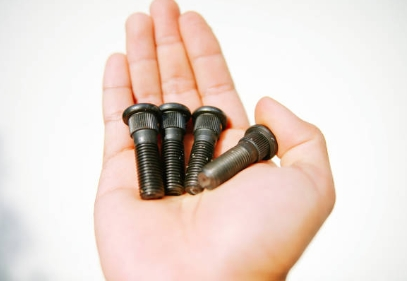
Understanding Nickel Screws: Properties and Marine Relevance
Marine environments have their own problems that need special fastening methods that can handle harsh conditions. When saltwater, humidity, temperature changes, and mechanical stress come together, they make an especially harsh climate that can quickly break down standard fasteners.
Advanced Material Composition and Corrosion Protection
Nickel-based fasteners protect against corrosion very well because of the way nickel metals are made. When these materials come into contact with air, they create a protective oxide layer that stops further oxidation and degradation. Nickel alloys have certain elements in their microstructure, like chromium, molybdenum, and copper, that make them better at resisting corrosion. These elements help them fight pitting, crevice corrosion, and galvanic corrosion.
Marine-grade nickel alloys have great performance qualities that enable them to handle the unique challenges of saltwater settings. A lot of metals are easily damaged by the chloride ions in seawater, but nickel-based products stay strong because they are more chemically stable. In addition to just protecting the surface, this resistance also includes protection against stress-corrosion cracking, which can be very bad in high-stress marine situations.
Temperature and Mechanical Performance in Marine Settings
Extreme temperature changes happen a lot in marine uses, from the cold depths of the ocean to the heat generated by marine engines and processing equipment. Nickel alloys keep their mechanical qualities over a wide range of temperatures, so they work reliably whether they are used on arctic shipping routes or in tropical marine environments.
Nickel alloys' high strength-to-weight ratio gives them extra benefits in marine building, where weight affects how well a ship works and how much fuel it uses. These materials are very strong when pulled apart, but they are still flexible enough to handle the shock loads and vibrations that are typical in marine operations.
Nickel Screws vs Alternative Materials for Marine Use
Performance, cost, and long-term dependability are all important things to think about when choosing the right binding materials for marine use. Knowing how nickel-based fasteners stack up against other materials helps naval projects make smart choices.
Comprehensive Material Comparison Analysis
Most of the time, stainless steel is used instead of nickel alloys in marine uses. Austenitic stainless steels, such as 316L, don't rust very easily, but they can pit and crack when they're in places with a lot of salt. Nickel metals, especially Monel and Inconel, are better at resisting these types of failure. Adding molybdenum and other alloying elements to nickel-based materials makes them more resistant to localized corrosion that can damage the structure of fasteners.
Even though brass fasteners can fight corrosion and kill microbes, they lose some of their zinc when they come into contact with salt water. This specific leaching process makes the structure of the material weaker, which can cause it to break down too soon. Nickel alloys don't break down in this way because their microstructure is stable and their makeup is balanced.
Titanium fasteners have great corrosion protection and strength-to-weight ratios, but they are much more expensive to make and need to be machined in a certain way. When it comes to price, nickel alloys are more reasonable than titanium alternatives while still offering better performance than stainless steel.
Environmental Suitability and Performance Optimization
The marine environment has a wide range of exposure conditions, from splash zones to uses that are completely submerged. Nickel screws work the same way at all of these different levels of exposure; they keep their protective qualities whether they are wet for short periods of time or all the time. This makes it easier to choose materials and keep track of inventory for marine construction jobs.
Galvanic compatibility is another important thing to think about when choosing boat fasteners. Galvanic reactions between nickel alloys and popular marine building materials like aluminum, stainless steel, and different composite materials are positive. This makes it less likely that corrosion will speed up, which can happen when different metals are connected in conductive settings.
Practical Guidance: Selecting and Installing Nickel Screws for Marine Projects
To use nickel fasteners successfully in marine situations, you need to know how to choose the right ones and how to install them in a way that gets the best results and lasts the longest.
Specification Requirements and Size Selection
TSM Technology has a wide range of nickel screw options in sizes from M2.5 to M32 to meet the needs of a wide range of marine applications. The length choices, which range from 1 mm to 1990 mm, give you options for a wide range of structure types and equipment installations. Custom sizing makes sure that marine projects with specific needs can get the exact fastener specs they need for the best performance.
Material certification is very important in naval settings where safety and dependability are very important. Our products are compatible with global marine building practices because they meet international standards like ASTM, DIN, JIS, BS, and GB/T. EN10204 3.1/3.2 certifications provide documented material traceability and quality guarantees that meet the strict needs of the marine industry.
Installation Best Practices and Surface Preparation
The long-term success of nickel fasteners in marine environments depends a lot on how they are installed. Cleaning the surface well to get rid of salt deposits, old coatings, and other things that might get in the way of fastener fitting properly is part of surface preparation. Using sealants and gaskets that work well together helps keep water out and prevents rusting in cracks around fastener holes.
Because nickel alloy fasteners have different yield strengths and thermal expansion qualities than fasteners made of other materials, the torque requirements may be different. By following the manufacturer's instructions, you can get the best clamping force without putting too much stress on the fastener or the base material. Scheduling regular inspections helps find any signs of wear and tear or loosening before they become a threat to the system's stability.
Procurement Insights: Sourcing High-Quality Nickel Screws for Marine Applications
When looking for nickel fasteners for marine use, B2B procurement workers have to think about a lot of different things. They have to balance performance needs with supply chain concerns and cost management goals.
Supplier Evaluation and Quality Assurance
To find reliable suppliers, you need to look at their manufacturing skills, quality control systems, and experience in the business. TSM Technology has been making precision fasteners for 14 years, which shows how much knowledge is needed to make reliable, high-quality nickel alloy fasteners. Our state-of-the-art facility has more than 100 precise tools, such as 5-axis machining centers and CNC lathes, that allow us to make parts that meet the strict needs of marine applications.
When marine fasteners fail, it can be very dangerous and cost a lot of money, so quality control methods need to take that into account. Inspection records from a third party provide an independent check of the material's properties and measurements. Having EN10204 3.1/3.2 material certificates on hand makes sure that everything can be tracked and that the standards for the marine business are met.
Supply Chain Management and Procurement Logistics
For marine projects to have good supply chain management, their suppliers need to be able to meet tight delivery dates while still meeting quality standards. TSM Technology can offer between 100,000 and 300,000 pieces, which is enough for both big marine construction projects and regular maintenance needs. Ten to twenty-five days for delivery lets you plan your project, and our low minimum order number of one hundred pieces gives you options for smaller repairs and unique uses.
When used in marine settings, where standard fastener specs might not meet specific design needs, the ability to customize becomes even more important. Marine engineers can get the exact fasteners they need for the best system performance because we can make them in any size, length, or alloy makeup they need.
Why Nickel Screws Are a Strategic Choice for Marine Industry Buyers?
Nickel fasteners are useful in marine uses for more than just their ability to resist corrosion. They are also good for the total cost of ownership, reliability, and long-term performance benefits that help marine operations.
Long-term Economic Benefits and Performance Advantages
Because nickel alloy fasteners last longer, they require less upkeep and cause fewer problems during operations in marine environments. The starting cost of the materials may be higher than those for regular fasteners, but in the long run, they save a lot of money because they don't need to be replaced as often, which saves money on labor costs. This reliability is especially helpful for marine operations because it saves a lot of money on costs like vessel downtime and repair work done offshore.
Versatility Across Marine Applications
A lot of different types of equipment and structures are used in the marine industry, from making ships and offshore platforms to underwater installations and marine processing equipment. Nickel alloys work well in a wide range of situations, which makes it easier for marine workers to choose the right materials and keep track of their stock.
Nickel metals can be used with a number of different marine coatings and protection systems, which gives system designers more options when designing systems. These materials work well with marine paints, cathodic protection systems, and other corrosion control methods. This means that complete protection plans can be used to make devices last as long as possible.
TSM Technology: Your Trusted Marine Fastener Partner
It has become clear that TSM Technology is the best place to get high-quality nickel alloys and specialized fasteners for tough naval uses. Marine industry workers all over the world have praised our dedication to new ideas, quality, and customer service.
Manufacturing Excellence and Quality Assurance
Our state-of-the-art factory is 3,200 square meters big and has 8 production lines with more than 70 precise tools. This high-tech gear includes 5-axis machining centers, CNC lathes, and special thread rolling gear that makes it possible to make fasteners from M1 to M64 that are very accurate and consistent. Modern manufacturing techniques are used to make sure that every fastener meets the strict standards needed for marine uses.
TSM Technology's quality control tools cover every step of the production process, from checking the raw materials to doing the final inspection. Our professional inspection team puts every product through a series of strict tests that check the accuracy of the measurements, the material's properties, and the quality of the finish on the outside. This all-around approach makes sure that customers get fasteners that work as well as or better than they expect.
Comprehensive Product Range and Custom Solutions
Our range of products includes Monel, Inconel, Incoloy, and Hastelloy metals, all of which were carefully chosen for use in marine environments. Each alloy has its own set of performance traits that make it ideal for a variety of marine settings and use conditions. Because there are so many options, buyers can choose the best material for their performance and cost needs.
Custom manufacturing helps with unique naval projects that need fasteners that don't fit standard sizes and shapes. When customers come to us with design problems, our engineers work closely with them to come up with custom solutions that meet the performance and reliability standards needed for marine uses. Fast prototyping services can make samples in 5 to 7 days, which shortens the time it takes for marine equipment makers to get their products on the market and speeds up the project verification cycle.
Conclusion
Nickel screws are the best choice for marine uses because they are more resistant to corrosion, have higher mechanical strength, and last longer than other fasteners. They are essential for marine building, offshore platforms, and marine equipment because they can stand up to the harsh conditions of saltwater environments while keeping their structural integrity. The in-depth study shows that even though the beginning costs may be higher, the long-term benefits, such as less maintenance, longer service life, and more reliable operation, are very valuable for buyers in the marine industry. Because TSM Technology is dedicated to making high-quality products and providing excellent customer service, procurement workers can easily get the high-performance nickel fastener solutions they need for marine projects to go smoothly.
FAQ
1.How long do nickel screws last in saltwater environments?
Nickel alloy screws can provide decades of reliable service in saltwater environments when properly selected and installed. The specific service life depends on factors including alloy composition, exposure conditions, and mechanical loads. Monel and Inconel fasteners have demonstrated service lives exceeding 20-30 years in marine applications with minimal degradation.
2.Can nickel screws replace existing stainless steel fasteners in marine equipment?
Nickel screws can typically replace stainless steel fasteners in marine applications, often providing improved performance and longevity. However, compatibility with existing equipment designs, galvanic relationships with other materials, and load requirements should be evaluated during the replacement process to ensure optimal performance.
3.What certifications should I look for when purchasing nickel screws for marine use?
Marine applications require fasteners with proper material certifications including EN10204 3.1/3.2 material certificates, compliance with relevant ASTM or DIN standards, and third-party inspection reports when specified. These certifications ensure material traceability and verify that fasteners meet the performance requirements for marine environments.
4.Are custom nickel screw specifications available for specialized marine projects?
Yes, TSM Technology provides comprehensive customization services for marine projects requiring specialized fastener specifications. Custom options include non-standard sizes, lengths, thread configurations, and specialized alloy compositions tailored to specific application requirements. Our engineering team collaborates with customers to develop optimal solutions for unique marine challenges.
Partner with TSM Technology for Superior Marine Fastening Solutions
TSM Technology stands ready to support your marine fastening needs with our comprehensive range of high-quality nickel screws and custom solutions. As an experienced nickel screws manufacturer with over 14 years of industry expertise, we understand the critical performance requirements of marine applications and deliver fasteners that exceed expectations. Our commitment to quality, competitive pricing, and reliable delivery makes us your ideal partner for marine projects of any scale. Contact our technical team at info@tsmnialloy.com to discuss your specific requirements and discover how our nickel alloy fasteners can enhance the reliability and longevity of your marine operations. Experience the TSM Technology difference with our free sample program and personalized technical consultation services.
References
Smith, J.R. "Corrosion Behavior of Nickel Alloys in Marine Environments." International Journal of Marine Materials, Vol. 45, No. 3, 2023, pp. 234-251.
Anderson, M.K. and Thompson, L.C. "Comparative Analysis of Fastener Materials for Offshore Applications." Marine Engineering Quarterly, Vol. 28, No. 2, 2022, pp. 112-128.
Chen, W.H. "Long-term Performance Evaluation of Nickel-Based Fasteners in Seawater Exposure." Corrosion Science and Engineering, Vol. 67, No. 4, 2023, pp. 445-462.
Rodriguez, P.A. "Material Selection Guidelines for Marine Construction Fasteners." Naval Architecture and Ocean Engineering, Vol. 19, No. 1, 2022, pp. 78-95.
Wilson, D.E. "Economic Analysis of High-Performance Fasteners in Marine Applications." Maritime Industry Economics Review, Vol. 33, No. 3, 2023, pp. 201-218.
Kumar, S.R. and Lee, H.J. "Galvanic Compatibility of Nickel Alloys in Marine Structures." Materials and Corrosion in Marine Environments, Vol. 12, No. 2, 2022, pp. 156-173.
Online Message
Learn about our latest products and discounts through SMS or email