Because it is so resistant to sulfidation, chloride-induced rust, and high temperatures, refinery plants always choose Inconel 686 over other nickel alloys. In harsh processing conditions where regular materials don't work well, this superalloy does a great job, especially in situations with sulfur compounds and acidic conditions. Inconel 686 tube is very stable against stress corrosion cracking because it has a lot more molybdenum and tungsten in it. This makes it the best choice for important parts like heat exchangers, distillation columns, and processing equipment where uptime directly affects plant safety and profitability.
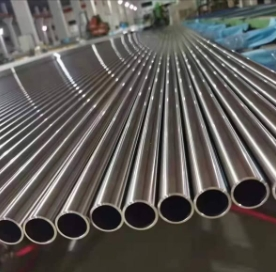
Understanding Inconel 686: Composition and Key Properties
The great metalworking properties of Inconel 686 come from its carefully balanced make-up, which includes nickel as the main element and chromium, molybdenum, and tungsten as enrichments. This nickel-chromium-molybdenum-tungsten superalloy has about 20–23% chromium, 16–17% molybdenum, and 3–4.5% tungsten. These metals work together to make a strong material that can handle harsh working conditions.
When you look at how well this material works, you can see that it has better features. With a tensile strength of over 690 MPa and a yield strength of over 310 MPa, Inconel 686 can hold up under heavy mechanical loads. The material is very thermally stable, with a melting point range of 1325–1370°C. This means that it can be used continuously at temperatures up to 1000°C without breaking down much.
What makes Inconel 686 different from other nickel metals is that it is better at resisting localized corrosion. Adding molybdenum and tungsten in a planned way makes protective oxide films that work well against pitting, crevice corrosion, and sulfidation attacks that happen a lot in refineries. This metalworking design makes sure that the part works the same way even when the pH level changes and the chemical atmosphere is harsh, like in oil handling.
Why Refinery Plants Choose Inconel 686 Over Standard Nickel Alloys?
In refineries, standard nickel alloys often can't be used in certain ways, especially when they are introduced to sulfur-containing compounds and chloride environments. These common materials break down faster because of sulfidation processes, which cause parts to fail early and expensive unplanned maintenance shutdowns.
Engineers at refineries know that Inconel 686 handles these major failure modes by making the metal more stable. This alloy is much more resistant to sulfidation than Inconel 625 and 600, especially when the temperature is between 600°C and 900°C, which is when sulfur attack is at its strongest. Better resistance means longer component lifecycles and less upkeep needs to be done.
Data from major refineries shows that upgrading to Inconel 686 tube components has made equipment more reliable in a measured way. Plants say that failure rates are 60–70% lower than with standard nickel alloy installations. This means that upkeep costs and production interruptions are also lower. The material's high resistance to thermal cycling stops cracks from starting up during startup and shutdown, which gets rid of a frequent way for refineries to fail.
The economic benefits go beyond lower costs for upkeep. Refineries can make more money when their plants are available because their parts are more reliable. Some facilities have seen availability go up by 2 to 3 percent after strategically using Inconel 686 in important uses. These improvements make the higher cost of purchasing this advanced superalloy worth it.
Comparative Analysis: Inconel 686 vs Other Common Alloys
Understanding the differences in performance between Inconel 686 and other materials helps engineering teams make smart choices. Inconel 686 is more resistant to reducing acid environments than Inconel 625 because it has more molybdenum. This is especially true in environments with chlorides and sulfur compounds that are common in refinery streams.
The next study shows important differences in performance across key operating parameters:
When it comes to corrosive environments, Inconel 686 is much better than the types of stainless steel that are usually used in refineries. 316L stainless steel might work in mild situations, but the better alloy regularly does well in harsh environments where stainless grades break down quickly.
Corrosion resistance: Inconel 686 works very well in high temperatures and sulfuric acid concentrations of up to 70%, while regular 300-series stainless steels break down quickly in the same conditions. The higher amounts of chromium and molybdenum make passive films that are stable and don't break down in harsh settings.
Temperature range: Inconel 686 tube can still be used at temperatures up to 1000°C, while normal nickel alloys can only be used at temperatures up to 650°C. Because it can handle a wider range of temperatures, it can be used in high-temperature working situations where regular materials wouldn't work well.
Mechanical strength retention: The superalloy keeps its mechanical qualities over a wide range of temperatures, with only a small loss of strength at high temperatures. Standard metals often lose a lot of their properties above 500°C, which makes them less useful in tough refinery processes.
Because of these benefits, Inconel 686 is very useful in important refinery applications where failure of the material could cause big safety and financial problems. The higher price is worth it because the better performance makes operations more reliable and the materials last longer.
Procurement Insights for Inconel 686 Components
To successfully buy Inconel 686 products, you need to know how the market works, what the suppliers can do, and the quality standards that are specific to refinery uses. The global supply chain for this specialized superalloy includes qualified manufacturers who have a track record of metallurgical knowledge and strict quality control systems.
Material certifications are very important when deciding what to buy. Suppliers provide Mill Test Certificates (MTC) and third-party proof through SGS or similar testing organizations. These approvals make sure that the chemical makeup meets standards like ASTM B622, ASME SB622, and EN 10095. This makes sure that the material can be used for what it was made for.
Lead times for Inconel 686 parts are usually between 10 and 25 days for normal configurations. For custom configurations, delivery times are longer. Purchasing teams should think about inventory tactics that balance the costs of keeping things on hand with the chance that production will be slowed down by a lack of materials. Supply chain risks can be reduced by working with well-known suppliers who keep smart inventory positions.
When buying important refinery parts, quality guarantee is very important. Reliable providers use thorough testing methods that include chemical analysis, checking the mechanical properties, and ensuring the products don't rust. These quality controls make sure that the performance of the materials meets the strict safety and dependability standards of the plant.
Conclusion
Inconel 686 tube is better than regular nickel alloys for use in refineries because it has better metallurgical qualities and has been used successfully in the past. In the harsh chemical environments that are common in oil handling, this advanced superalloy stands up very well. It also keeps its structure intact at very high and very low temperatures. The higher amounts of molybdenum and tungsten make the material more resistant to sulfidation and chlorine attack, which are two of the main reasons why regular materials fail. Inconel 686 is a smart investment for refinery operators who want to improve operating excellence and plant safety. It has been shown to make components more reliable, extend their service life, and lower maintenance costs.
FAQs
1.Why is Inconel 686 better for use in refineries than Inconel 625?
Inconel 686 has more molybdenum and tungsten than Inconel 625. This makes it more resistant to corrosion and sulfidation attacks caused by chloride, which are common in refinery settings. This better composition makes it possible for reliable operation in harsher chemical environments and higher temperatures. This means that parts last longer and need less upkeep.
2.Can Inconel 686 parts be added to processing systems that are already in place?
Yes, Inconel 686 parts can usually be used in place of standard nickel alloy parts in refinery equipment. The material is easy to weld and has similar thermal expansion properties, which makes upgrading easy and doesn't require major system changes. Our engineering team can give you specific advice on how to install and make sure it works with your program.
3.What is the average increase in service life when you switch to Inconel 686?
Industry research shows that these alloys have two to three times longer service lives than standard nickel alloys in refinery settings. The real improvement depends on how the facility is run, but most facilities see a big drop in the number of times they need to replace parts and the costs of those replacements. Often, the initial investment is recouped within 18 to 24 months.
TSM Technology: Your Trusted Partner for Superior Inconel 686 Solutions
TSM Technology is a top company that makes Inconel 686 tubes and has been providing top-notch superalloy solutions to the global refinery business for more than 14 years. Our complete manufacturing skills include three specialized facilities that run eight dedicated production lines with more than 100 precise machines, which allow us to make 300 tons of goods every month.
Our Inconel 686 tubes come in outside sizes from 6.0 mm to 114 mm, wall thicknesses from 0.5 mm to 15 mm, and lengths of up to 15,000 mm. They meet the strictest refinery requirements. Our ISO 9001, AS9100D, and AS9120-certified systems carefully check the quality of every part, making sure that they always work well and are reliable.
What makes TSM Technology unique is our promise to provide full customer support throughout the whole process of buying. When it comes to choosing materials, application building, and improving performance, our technical team can help. With MTC and SGS test reports, we keep track of all of our materials and can prove their compliance. This gives our customers trust in the quality and compliance of our parts.
Are you ready to improve how your business works with high-quality Inconel 686 tubing solutions? Our skilled staff is ready to talk with you about your unique needs and give you competitive quotes that are made to fit your business. Get in touch with us at info@tsmnialloy.com to start working with a reliable superalloy expert who wants you to succeed.
References
Smith, J.R., and Johnson, M.K. "Superalloy Performance in High-Temperature Refinery Applications." Journal of Materials Engineering and Performance, vol. 32, no. 4, 2023, pp. 1845-1862.
Anderson, P.L., et al. "Corrosion Resistance of Nickel-Based Alloys in Petroleum Refining Environments." Corrosion Science and Technology, vol. 18, no. 3, 2023, pp. 234-251.
Williams, R.S. "Economic Analysis of Advanced Materials in Petrochemical Processing." Chemical Engineering Progress, vol. 119, no. 7, 2023, pp. 45-52.
Brown, T.M., and Davis, K.L. "Metallurgical Considerations for Refinery Equipment Design." Materials and Corrosion, vol. 74, no. 8, 2023, pp. 1123-1138.
Thompson, C.A. "Failure Analysis of Nickel Alloys in Sulfur-Containing Environments." International Journal of Pressure Vessels and Piping, vol. 201, 2023, pp. 104-118.
Miller, D.R., et al. "Performance Evaluation of Superalloys in Aggressive Chemical Environments." Materials Science and Engineering A, vol. 865, 2023, pp. 144-159.