- English
- French
- German
- Portuguese
- Spanish
- Russian
- Japanese
- Korean
- Arabic
- Greek
- German
- Turkish
- Italian
- Danish
- Romanian
- Indonesian
- Czech
- Afrikaans
- Swedish
- Polish
- Basque
- Catalan
- Esperanto
- Hindi
- Lao
- Albanian
- Amharic
- Armenian
- Azerbaijani
- Belarusian
- Bengali
- Bosnian
- Bulgarian
- Cebuano
- Chichewa
- Corsican
- Croatian
- Dutch
- Estonian
- Filipino
- Finnish
- Frisian
- Galician
- Georgian
- Gujarati
- Haitian
- Hausa
- Hawaiian
- Hebrew
- Hmong
- Hungarian
- Icelandic
- Igbo
- Javanese
- Kannada
- Kazakh
- Khmer
- Kurdish
- Kyrgyz
- Latin
- Latvian
- Lithuanian
- Luxembou..
- Macedonian
- Malagasy
- Malay
- Malayalam
- Maltese
- Maori
- Marathi
- Mongolian
- Burmese
- Nepali
- Norwegian
- Pashto
- Persian
- Punjabi
- Serbian
- Sesotho
- Sinhala
- Slovak
- Slovenian
- Somali
- Samoan
- Scots Gaelic
- Shona
- Sindhi
- Sundanese
- Swahili
- Tajik
- Tamil
- Telugu
- Thai
- Ukrainian
- Urdu
- Uzbek
- Vietnamese
- Welsh
- Xhosa
- Yiddish
- Yoruba
- Zulu
What Industries Commonly Use Inconel 625 Seamless Tubing?
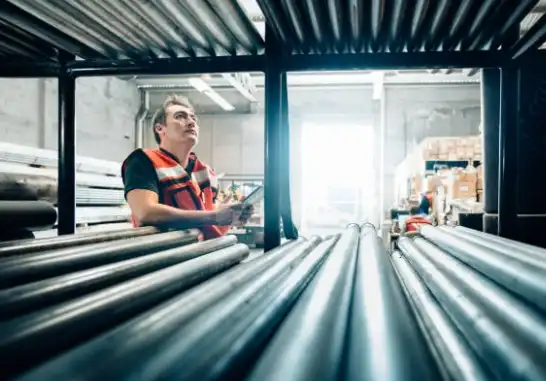
Inconel 625 seamless tubing serves critical roles across aerospace, chemical processing, power generation, and marine engineering industries. This high-performance nickel-chromium-molybdenum alloy offers exceptional corrosion resistance and maintains structural integrity at temperatures up to 1000°C. Major sectors including oil and gas, petrochemical processing, nuclear power, and offshore engineering rely on Inconel 625 seamless tube solutions for heat exchangers, reactor vessels, turbine components, and subsea piping systems where failure is not an option.
Understanding Inconel 625 Seamless Tubing: Properties and Specifications
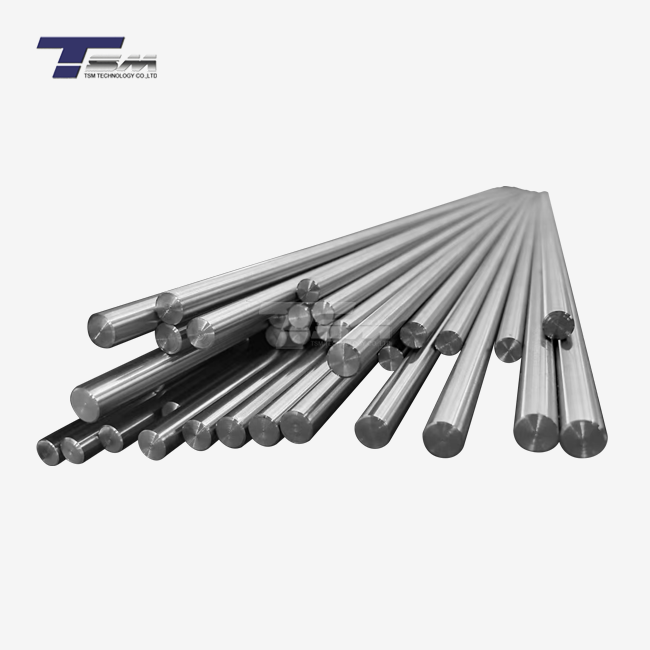
Inconel 625 seamless tube is the best nickel-based superalloy engineering has to offer. It is made using precise extrusion and pilgering methods that get rid of bonded joints and weak spots in the metal. This way of seamless construction provides better pressure-bearing properties and even wall thickness distribution, which are important for high-pressure and high-temperature uses.
Chemical Composition and Metallurgical Excellence
The alloy's great performance comes from its chemical structure being carefully adjusted. The UNS N06625 grade from TSM Technology has about 58% nickel, 20-23% chromium, 8-10% molybdenum, and 3.15-4.15% niobium. The mix makes a strong structure that doesn't crack, pit, or corrode from chloride ions, which are problems that often happen with stainless steel options.
The niobium addition acts as a solid-solution stiffening agent, so no precipitation-hardening heat processes are needed. The weldability is also very good. Our production method includes vacuum induction melting and then vacuum arc remelting. This makes sure that the material has a uniform makeup with few impurities throughout its structure.
Mechanical Properties and Performance Standards
In the softened state, TSM Technology's seamless tubing keeps a minimum tensile strength of 827 MPa and a yield strength of 414 MPa. The material is very resistant to wear when loaded and unloaded repeatedly, which makes it perfect for use in aircraft where parts are stressed over and over again.
We can make pipes with outside diameters ranging from 6mm to 219mm and wall thicknesses ranging from 0.5mm to 15mm that meet ASTM B444, ASTM B446, JIS, and DIN standards. As required by ASTM B444, each tube goes through a strict inspection process to make sure that the outside width is within ±0.5–1% of the standard and the wall thickness is within ±12.5% of the specification.
Major Industries that Utilize Inconel 625 Seamless Tubing
The flexibility and dependability of nickel-chromium-molybdenum metal tubes have made it an important part of many industries. Different industries use different superalloy qualities to deal with different business problems and performance needs.
Aerospace and Defense Manufacturing
OEMs and component makers in the aerospace industry use Inconel 625 seamless pipe a lot in jet engines, exhaust systems, and fuel supply lines. Because the material can keep its mechanical qualities at high temperatures and not oxidize, it is essential for turbine engine parts that work in places with very high temperatures.
Defense companies use this metal for weapon systems, structural parts of airplanes, and important fasteners where failure of the material could have terrible results. With seamless construction, there are no weak spots like there are with soldered parts, making it more reliable for mission-critical uses.
Material engineers and procurement directors in aircraft manufacturing put a high value on quality paperwork that can be tracked and certification compliance. TSM Technology offers full Material Test Certificates (MTC) and third-party proof through SGS, BV, and TUV testing. This makes sure that everything can be tracked from where the raw materials come from to the final review.
Oil, Gas, and Petrochemical Processing
Corrosion-resistant alloy tubing is used a lot in chemical processing plants, offshore platforms, and refineries to deal with harsh media and working circumstances. Nickel-based superalloys are chosen by engineering managers and maintenance purchase teams for heat exchangers, reactor tanks, and high-pressure pipe systems that are exposed to sulfur compounds, chlorides, and high temperatures.
Stress-corrosion cracking is very hard for this material, which is very important in hydrogen sulfide settings like those found in sour gas handling. Contrary to stainless steel options that can fail catastrophically in chloride-containing settings, this superalloy keeps its structure even when seawater stays still.
The alloy is resistant to polythionic acid cracking during stop and startup processes, which is good for petrochemical processors. This feature means that expensive material repair plans are not needed, which is common with metals that aren't as resistant. This lowers lifetime costs and increases operating efficiency.
Marine and Offshore Engineering
Shipbuilders and companies that make marine tools have to deal with special problems because they are constantly exposed to seawater and the weather in the ocean. Inconel 625 seamless tube is very good at resisting rust and is used in underwater pipes, desalination equipment, and offshore platform parts that are too expensive to repair.
Marine engineers use this metal to make cooling systems for seawater, tools to treat bilge water, and housings for underwater instruments. The fact that the material is not magnetic makes it very important for communication and guidance systems that need to keep electromagnetic interference to a minimum.
Marine engineers and people who buy things for projects like how well the material has worked in the past in deep water, where recovery and repair operations are very expensive and dangerous. Stable supply ties and consistent material access are good for long-term projects because they keep the project going.
Power Generation and Energy Equipment
Manufacturers of nuclear, thermal, and green power tools use heat-resistant alloys to make parts for gas turbines, reactor vessels, and steam generator tubes. These metals are chosen by project engineers and materials experts for use in situations with high-temperature steam, radiation, and thermal cycle stress.
The material has great resistance to creep and keeps its shape even after being exposed to high temperatures for a long time. The metal is good for nuclear uses because it doesn't break down easily when exposed to radiation and works well with reactor coolant chemicals.
This superalloy is used in heat recovery steam turbines and exhaust gas recycling systems in combined heat and power systems. It is important for these systems to be able to handle thermal shock and corrosion.
Comparing Inconel 625 Seamless Tubing with Other Materials
Knowing the guidelines for choosing materials helps you make smart purchasing choices that combine performance needs with cost concerns. Looking at different metal choices side by side shows the pros and cons of each material.
Performance Advantages Over Stainless Steel
When compared to 316L stainless steel, nickel-based superalloys work better in a number of important ways. This superalloy has a Pitting Resistance Equivalent Number (PREN) higher than 45, compared to about 25 for 316L stainless steel. This means that it is much more resistant to limited rust.
Temperature resistance is another big benefit. Superalloys keep their mechanical qualities at temperatures close to 1000°C, while alternatives made of stainless steel lose their strength quickly above 600°C. Because of this temperature benefit, equipment makers can set higher working parameters, which makes the system work better and more efficiently.
Cost factors must balance the original investment in materials with their success over their entire lifecycle. Even though superalloys are more expensive, their longer service life and lower maintenance needs often make up for the starting cost in important uses where the cost of downtime is higher than the cost of the materials.
Inconel Grade Comparisons
Different kinds of Inconel have different mixes of mechanical and thermal qualities that work best in certain settings. Inconel 600 is very resistant to rust, but it is not as strong as Inconel 625. Through precipitation hardening, Inconel 718 is stronger, but it is less resistant to rust in some environments.
Inconel 625 seamless pipe is in a unique position and can be used in situations that need both qualities. The solution-annealed state of the material makes it very flexible for shaping tasks while still being strong enough for structural uses.
Choosing the right grade is also affected by how it will be made. For example, some metals need special heat treatment or fabrication methods that can change delivery times and handling costs.
Advantages of Choosing Inconel 625 Seamless Tubing for Industrial Applications
Because of its better material qualities, track record of success, and dependable supply chain support, this superalloy is the best choice for tough industrial uses. Knowing about these benefits helps you make smart choices about important materials.
Long-term Performance and Cost Efficiency
Field experience in a number of different businesses shows that the product has an incredibly long service life even in the harshest conditions. Case studies from offshore oil platforms show that the materials used last longer than 20 years in seawater uses, where stainless steel options would have broken after only 5 years.
Lowering maintenance costs is good for the economy because it means fewer inspections and longer repair periods, which balance out the higher costs of the materials at the start. When it comes to uses that are hard to get to or have high repair costs, total cost of ownership calculations always favor superalloy choices.
The material's resistance to different types of degradation means that it won't break down unexpectedly, which would mean lost production time. This dependability is especially useful in businesses that use ongoing processes, where unplanned shutdowns cost a lot of money.
Global Standards Compliance and Technical Support
International standards like ASTM, ASME, DIN, and JIS must be followed for multinational projects to be accepted around the world and get governmental permission. TSM Technology keeps up-to-date certification files that allow projects to be approved quickly and engineering review cycles to be cut down.
In addition to providing materials, technical knowledge and application support services add value. Our engineering team can help you choose the right materials, figure out how they'll work together, and make suggestions for how to make things better based on their years of experience in the field across many industries.
Quality assurance methods that go above and beyond what is required by businesses give people more faith in the performance and dependability of materials. Verification by a third party and detailed records help customers with their quality control systems and meet regulatory standards.
Conclusion
Inconel 625 seamless tube is widely used in the aircraft, petrochemical, naval, and power production industries because it is very good at resisting corrosion, staying stable at high temperatures, and being reliable mechanically. This superalloy meets important performance standards that regular materials can't, which is why it's used in difficult situations even though it costs more. With its wide range of production options, quality control methods, and technical support services, TSM Technology makes sure that customers can always get this important material while also meeting global standards and their own unique needs.
FAQ
1.Why does Inconel 625 excel in high-temperature environments?
The nickel-chromium core of the metal creates an oxide layer that stops further oxidation at temperatures up to 1000°C. The addition of niobium strengthens the solid solution without the need for precipitation hardening. This keeps the material flexible and stable at high temperatures. Because of this mix, it can keep working in temperature cycling situations where other metals would break down.
2.How suitable is this material for marine conditions?
Marine applications benefit from having a high level of resistance to breaking and pitting rust caused by chloride ions in saltwater. The Pitting Resistance Equivalent Number is higher than 45, which makes it almost impossible for localized rusting to happen in still seawater. The nonmagnetic qualities are also very important for navigation and transmission gear.
3.What criteria should guide supplier selection for critical applications?
Some of the most important things that are looked at when deciding whether to buy something are whether it meets worldwide standards for quality control, whether it can be manufactured, and whether it comes with technical help. Suppliers should give you Material Test Certificates, proof from a third party, and thorough paperwork that shows how the goods got to you. These needs are met by TSM Technology, which has ISO certifications, thorough testing methods, and a history of being able to send goods internationally.
Partner with TSM Technology for Premium Inconel 625 Seamless Tubing Solutions
TSM Technology stands ready to support your next critical project with premium nickel-chromium-molybdenum alloy tubing engineered for extreme service conditions. Our comprehensive manufacturing capacity of 100-200 tons monthly, combined with extensive customization capabilities and rigorous quality control, ensures reliable supply of materials meeting your exact specifications. As a trusted Inconel 625 seamless tube supplier, we provide complete material certification, technical support, and international logistics coordination to streamline your procurement process. Contact our engineering team at info@tsmnialloy.com to discuss your specific requirements and receive detailed technical recommendations for your application.
References
American Society for Testing and Materials. "Standard Specification for Nickel-Chromium-Molybdenum-Columbium Alloy Seamless Pipes and Tubes." ASTM B444-06, Annual Book of ASTM Standards, Vol. 02.04.
Boyer, Howard E., and Timothy L. Gall, editors. "Metals Handbook: Properties and Selection of Nonferrous Alloys and Special-Purpose Materials." 10th Edition, ASM International, Materials Park, OH, 1990.
Crook, Paul. "Corrosion Characteristics of Nickel-Chromium-Molybdenum Alloys in Marine and Industrial Environments." Materials Performance, National Association of Corrosion Engineers, Vol. 34, No. 3, 1995, pp. 37-44.
Rebak, Raul B. "Alloy Selection for Supercritical Water Applications in Nuclear Power Systems." Journal of Nuclear Materials, Elsevier Science, Vol. 441, No. 1-3, 2013, pp. 288-301.
Sims, Chester T., Norman S. Stoloff, and William C. Hagel. "Superalloys II: High-Temperature Materials for Aerospace and Industrial Power." John Wiley & Sons, New York, 1987.
Tawancy, Hassan M., Nureddin M. Abbas, and Terry N. Rhys-Jones. "Role of Niobium in Controlling the Microstructure and Properties of Inconel 625 Superalloy." Journal of Materials Engineering and Performance, ASM International, Vol. 3, No. 2, 1994, pp. 157-167.
Learn about our latest products and discounts through SMS or email