- English
- French
- German
- Portuguese
- Spanish
- Russian
- Japanese
- Korean
- Arabic
- Greek
- German
- Turkish
- Italian
- Danish
- Romanian
- Indonesian
- Czech
- Afrikaans
- Swedish
- Polish
- Basque
- Catalan
- Esperanto
- Hindi
- Lao
- Albanian
- Amharic
- Armenian
- Azerbaijani
- Belarusian
- Bengali
- Bosnian
- Bulgarian
- Cebuano
- Chichewa
- Corsican
- Croatian
- Dutch
- Estonian
- Filipino
- Finnish
- Frisian
- Galician
- Georgian
- Gujarati
- Haitian
- Hausa
- Hawaiian
- Hebrew
- Hmong
- Hungarian
- Icelandic
- Igbo
- Javanese
- Kannada
- Kazakh
- Khmer
- Kurdish
- Kyrgyz
- Latin
- Latvian
- Lithuanian
- Luxembou..
- Macedonian
- Malagasy
- Malay
- Malayalam
- Maltese
- Maori
- Marathi
- Mongolian
- Burmese
- Nepali
- Norwegian
- Pashto
- Persian
- Punjabi
- Serbian
- Sesotho
- Sinhala
- Slovak
- Slovenian
- Somali
- Samoan
- Scots Gaelic
- Shona
- Sindhi
- Sundanese
- Swahili
- Tajik
- Tamil
- Telugu
- Thai
- Ukrainian
- Urdu
- Uzbek
- Vietnamese
- Welsh
- Xhosa
- Yiddish
- Yoruba
- Zulu
Ultrasonic Testing (UT) of Inconel 690 Sheets: Ensuring Internal Integrity
Ultrasonic Testing is an important quality control method for making Inconel 690 sheets. It uses high-frequency sound waves to find flaws inside the sheets that could affect their performance in mission-critical situations. Materials engineers and buying teams that work with nickel-chromium superalloys can't do their jobs without this non-destructive testing method. It's important for the safety of operations and the life of parts that are made of these alloys. TSM Technology's thorough UT procedures make sure that every Inconel 690 sheet meets the strict standards needed by the nuclear power, aircraft, and chemical processing industries. This gives investors in important infrastructure the peace of mind they need.
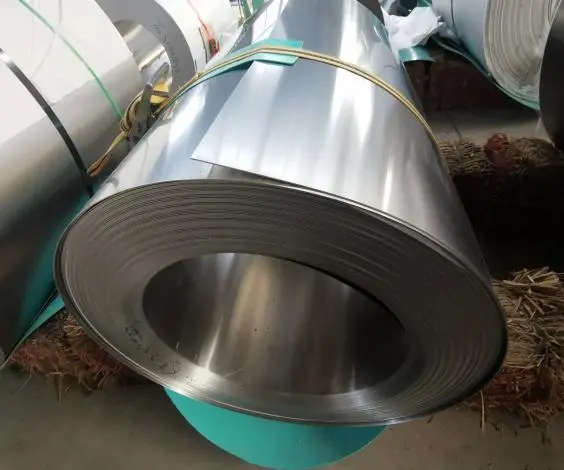
Understanding Inconel 690 Sheets and Their Critical Properties
Nickel-chromium superalloys are the best high-performance materials engineers have come up with, and Inconel 690 is the best choice for harsh work conditions. This amazing alloy is made up of about 60% nickel, 30% chromium, and 10% iron. Its chemical makeup makes it strong enough to survive the toughest industrial conditions.
The geometry and chemical balance of these superalloy plates are what give them their unique qualities. The high amount of chromium creates a protective metal layer that makes it very resistant to rusting and oxidation at high temperatures. This passive film stays stable even when it comes in contact with harsh chemicals like nitric acid, high-temperature water, and different organic molecules that are common in chemical processes.
Superior Mechanical Properties Under Extreme Conditions
What makes Inconel 690 sheet different from other materials is that it can keep its shape in situations where other metals would break. The material is very good at resisting stress corrosion cracking, especially in main water conditions like those found in nuclear power plants. Because of this, Inconel 690 sheet is the best choice for steam generator tube jobs where a failure of the material could have terrible results.
Another important benefit of this nickel-based superalloy is that it doesn't change much with temperature. The material's mechanical qualities don't change at temperatures up to 1000°C, so it can be used for a wide range of tasks, from petrochemical reformer tubes to aircraft turbine parts. Although the metal is resistant to carbide precipitation, it does not lose its performance when exposed to high temperatures for a long time.
Applications Across Critical Industries
In industry, these superalloy sheets are used in many areas where dependability is very important. They are used in nuclear power plants for parts of steam generators, the inside of reactor vessels, and main loop systems where resistance to radiation and rust are very important. Chemical processing plants depend on equipment that can handle strong chemicals and reactions at high temperatures to be resistant to nitric acid.
Because it is so resistant to chloride-induced rust, the metal is great for marine engineering uses like seawater-cooled heat exchangers and offshore platform parts. The weldability and manufacturing properties of the material make it possible to make complicated shapes while keeping its protective qualities during the welding process.
Fundamentals and Advantages of Ultrasonic Testing for Inconel 690 Sheets
Methods for non-destructive testing have changed a lot to meet the strict needs of current superalloy uses. Ultrasonic Testing uses sound waves with a high frequency, usually between 1 and 10 MHz, to go through the object and find breaks inside it that could affect safety or performance.
Ultrasonic testing works by sending sound waves through a medium and then measuring the signs that bounce back. When sound waves hit internal flaws like inclusions, cracks, or laminations, they bounce back to the transducer and create unique signal patterns that trained techs can read to figure out the flaws' size, position, and type.
Technical Advantages of Ultrasonic Inspection
Modern ultrasonic testing equipment has many strong benefits over other checking methods. The method gives results in real time, so decisions about whether to accept or reject information can be made right away. UT doesn't expose people to radiation like radiography testing does. This makes the workplace safer while still ensuring accurate inspections.
Ultrasonic waves are great for working with thick-section Inconel 690 sheet materials that are often used in pressure vessels because they can go deep into the material. Modern phased array systems can make thorough three-dimensional maps of the inside structure, which can show problems that regular scanning methods might miss.
Thanks to today's UT equipment, flaws as small as 1% to 2% of the width of the material can be found. This means that you can be sure that flaws in important applications won't cause them to fail unexpectedly. This level of accuracy is necessary for parts that work in nuclear settings, where the safety of the public depends on the purity of the materials.
Equipment Calibration for Nickel Alloy Inspection
Calibration is a very important part of using ultrasonic testing on nickel-chromium metals correctly. Because Inconel 690's sound features are different from those of carbon steel or aluminum, it needs special reference standards and calibration blocks made from the same types of materials.
When measuring sound velocity, you have to take into account the superalloy's specific mechanical properties, such as its grain structure and how it was heated. TSM Technology keeps calibration standards that are true to the real properties of the production sheets. This makes sure that inspection results are a good reflection of the state of given products on the inside.
Step-by-Step Ultrasonic Testing Process for Inconel 690 Sheets
To get the best acoustic coupling between the receiver and the object, the first step in ultrasonic analysis is to thoroughly prepare the surface. Surface conditions have a big effect on signal quality, so rust, scaling, and other contaminants that could get in the way of sound waves must be removed.
Controlling things like temperature, humidity, and shaking in the environment is necessary to get regular results. Conditions in inspection areas should stay fixed so that there aren't changes in acoustic coupling that could make it harder to find defects or give fake signals.
Manual Scanning Techniques
For manual ultrasonic inspection, handheld sensors linked to portable flaw detectors are used to carefully scan the surface of the object. Skilled techs move the sensor across the surface in patterns that have already been planned. They keep the contact pressure and scanning speed constant to make sure the whole inspection area is covered.
The choice of scanning pattern is based on the predicted direction of the defect and the shape of the material. Longitudinal wave inspection finds flaws that are perpendicular to the sound beam, while shear wave methods find flaws that are parallel to the surface of the material. Skilled workers change the inspection settings based on the thickness of the material, the state of the surface, and the requirements of the standard.
Automated Inspection Systems
Automatic ultrasonic systems that use uniform screening settings and record a lot of data are helpful in places where a lot of Inconel 690 sheet need to be made. Computers direct the placing of the transducers in these systems to make sure that the whole area is covered and that the inspection sensitivity stays at its best throughout the process.
Combining longitudinal and shear wave tests to find different defect directions is something that automated systems can do at the same time. Data acquisition systems keep track of all inspection factors and results, giving full traceability records that are needed for important uses like nuclear power parts.
Signal Interpretation and Defect Characterization
To correctly understand ultrasonic sounds, you need to have a lot of training and experience working with nickel alloy materials. Signal intensity, time-of-flight readings, and waveform features tell us about the size, depth, and direction of defects in the material.
Modern tools have advanced signal processing features that can tell the difference between real flaws and harmless signs like geometric effects or reflections at the grain border. The automated analysis software helps techs classify signs according to set acceptance criteria, but important choices are still overseen by humans.
Comparative Analysis: Ultrasonic Testing vs Other Inspection Techniques for Inconel 690 Sheets
When looking at different non-destructive testing choices for superalloy materials, many things need to be thought about, such as the ability to identify problems, the need for safety, the cost-effectiveness, and the number of inspections that can be done. Different techniques have different pros and cons that make them better or worse for different tasks.
Radiographic testing is a great way to find internal flaws and keep records that can be used in the future. But because of rules about radiation safety, longer inspection times, and higher prices, it's not as good for regular production tests. Additionally, RT has trouble finding tight cracks or laminar flaws that UT can easily spot.
Safety and Environmental Considerations
Ultrasonic testing gets rid of the risks of radiation exposure that come with scanning methods, making the workplace safer for people who do inspections. There is no need for any special licenses or nuclear safety programs. This makes operations simpler and makes it easier to follow the rules.
When it comes to environmental effect, UT is better than penetrant testing, which needs chemical developers and solvents. When compared to the chemical waste that comes from dye penetrant processes, water-based couplants used in ultrasonic screening are less harmful to the environment and are easier to get rid of.
Detection Capabilities and Limitations
Penetrant testing is great at finding flaws that break the surface, but it can't find flaws inside that could be very important in pressure tank uses. Eddy current testing is good for inspecting surfaces and things close to surfaces, but it can't go deep enough to check thick-section Inconel 690 sheet parts.
Magnetic particle testing works well for ferromagnetic materials but not for nickel-based superalloys because they are not magnetic. Because of this drawback, UT is one of the few practical ways to find all internal flaws in these materials.
Cost-Effectiveness and Production Integration
Ultrasonic testing is strongly recommended for high-volume factory environments that want to save time and money. Instant results let you make choices about quality in real time, without having to wait for film processing or chemical development, which are needed for other ways.
When building needs, safety systems, and operating costs are taken into account, the costs of current ultrasonic systems' equipment are better than those of radiographic installations. Being able to check materials right after they are made cuts down on the cost of keeping supplies and speeds up shipping times.
Procurement Insights: Selecting Certified Inconel 690 Sheet Suppliers with UT Capabilities
When global buying strategies are used to get important superalloy materials, they need to give priority to sellers with proven quality systems and full testing capabilities. Different industries have different certification needs, but ISO 9001, AS9100 for aerospace uses, and ASME nuclear quality assurance systems are all popular ones.
Material traceability is a basic need for important uses that need full records of everything from the chemistry of the raw materials to the results of the end inspection. Suppliers must keep records that let them track specific lots of materials to where they are used, so that they can quickly fix any quality problems that come up during service.
Supplier Qualification and Audit Requirements
On-site audits to check testing capabilities, equipment calibration programs, and staff skills are all important parts of effective source qualification programs. Ultrasonic testing equipment needs to be serviced and calibrated on a regular basis so that it meets national standards.
Most of the time, certification standards for staff follow the ASNT SNT-TC-1A rules for non-destructive testing techs for Inconel 690 sheet. Certified Level II and Level III workers should be able to do the tests and explain the results in a way that follows the rules and codes that apply.
For making and testing superalloys, TSM Technology has complete quality systems that go above and beyond what the market requires. Our facilities have cutting-edge ultrasonic equipment that is calibrated to check nickel-chromium alloys. This equipment is run by certified techs who have a lot of experience working with critical materials.
Supply Chain Risk Management
Diversified supplier bases help lower the risks that come with relying on a single source, but for important products, qualification standards limit the number of providers that can be used. When it comes to supply security, long-term partnerships with approved sellers are better than buying on the spot market, where quality standards may not be met.
Because making and testing superalloys is very specialized, supply capacity needs to take that into account. TSM Technology can make 300 tons of products every month across various production lines. This ensures a steady supply of products while keeping quality standards high thanks to our tried-and-true manufacturing methods.
Conclusion
Ultrasonic Testing is an important quality control method for making sure that Inconel 690 sheets used in important industrial uses are solid on the inside. UT is the best way for materials engineers and procurement workers in the aerospace, nuclear, chemical, and marine industries to inspect things because it is safe, efficient, and doesn't cost a lot of money. As the needs of industry change to require more difficult working conditions, thorough non-destructive testing will become even more important. Our Inconel 690 sheet goods meet the strictest integrity standards for mission-critical uses because TSM Technology is dedicated to advanced UT capabilities and strict quality standards.
FAQ
1. What defects can ultrasonic testing detect in Inconel 690 sheets?
Cracks, inclusions, holes, laminations, and lack of fusion are just some of the internal flaws that can be found using ultrasound tests. The method can find flaws as little as 1% to 2% of the thickness of the material, so it can be used in critical situations where material quality is very important.
2. How does material thickness affect ultrasonic testing of Inconel 690?
The clarity and reduction of ultrasonic waves are affected by the thickness of the material. To keep the sensitivity high throughout the material volume, thicker parts might need sensors with higher frequencies or specialty methods like time-of-flight diffraction (TOFD).
3. What are the qualification requirements for UT technicians testing superalloy materials?
According to ASNT SNT-TC-1A guidelines, technicians who do ultrasonic testing on important products usually need Level II certification. For some jobs, you might need more training that is specific to nickel alloys and the quality standards needed for nuclear power plants.
Partner with TSM Technology for Premium Inconel 690 Sheet Solutions
TSM Technology is a reliable company that makes Inconel 690 sheets. They use advanced ultrasonic testing and thorough quality assurance programs to make sure their products meet or beat the strictest industry standards. Our modern production facilities use advanced UT technology that is run by certified experts. This makes sure that every sheet meets the strict requirements of the nuclear, aerospace, and chemical processing industries. With the ability to produce 300 tons per month and shipping times ranging from 10 to 25 days, we offer the dependability and speed that current procurement teams need. Email our materials experts at info@tsmnialloy.com to talk about your unique needs and find out why top manufacturers choose TSM Technology for their most important superalloy uses.
References
1. American Society for Testing and Materials. "Standard Practice for Ultrasonic Testing of Wrought Products." ASTM A388/A388M-18, West Conshohocken, PA, 2018.
2. Nuclear Regulatory Commission. "Materials and Fabrication Requirements for Nuclear Power Plant Components." Regulatory Guide 1.84, Washington, DC, 2021.
3. International Atomic Energy Agency. "Non-Destructive Testing for Plant Life Assessment." Technical Report Series No. 476, Vienna, Austria, 2020.
4. ASM International Handbook Committee. "Nondestructive Evaluation and Quality Control: Ultrasonic Testing of Nickel-Based Superalloys." ASM Handbook Volume 17, Materials Park, OH, 2019.
5. American Welding Society. "Specification for Ultrasonic Examination of Welds in Nickel-Chromium Alloys." AWS D1.1/D1.1M-2020, Miami, FL, 2020.
6. European Committee for Standardization. "Non-destructive Testing of Welds: Ultrasonic Testing of Austenitic and Duplex Ferritic-Austenitic Stainless Steel Welds." EN ISO 22232-1:2020, Brussels, Belgium, 2020.

Learn about our latest products and discounts through SMS or email