- English
- French
- German
- Portuguese
- Spanish
- Russian
- Japanese
- Korean
- Arabic
- Greek
- German
- Turkish
- Italian
- Danish
- Romanian
- Indonesian
- Czech
- Afrikaans
- Swedish
- Polish
- Basque
- Catalan
- Esperanto
- Hindi
- Lao
- Albanian
- Amharic
- Armenian
- Azerbaijani
- Belarusian
- Bengali
- Bosnian
- Bulgarian
- Cebuano
- Chichewa
- Corsican
- Croatian
- Dutch
- Estonian
- Filipino
- Finnish
- Frisian
- Galician
- Georgian
- Gujarati
- Haitian
- Hausa
- Hawaiian
- Hebrew
- Hmong
- Hungarian
- Icelandic
- Igbo
- Javanese
- Kannada
- Kazakh
- Khmer
- Kurdish
- Kyrgyz
- Latin
- Latvian
- Lithuanian
- Luxembou..
- Macedonian
- Malagasy
- Malay
- Malayalam
- Maltese
- Maori
- Marathi
- Mongolian
- Burmese
- Nepali
- Norwegian
- Pashto
- Persian
- Punjabi
- Serbian
- Sesotho
- Sinhala
- Slovak
- Slovenian
- Somali
- Samoan
- Scots Gaelic
- Shona
- Sindhi
- Sundanese
- Swahili
- Tajik
- Tamil
- Telugu
- Thai
- Ukrainian
- Urdu
- Uzbek
- Vietnamese
- Welsh
- Xhosa
- Yiddish
- Yoruba
- Zulu
Inconel 600 vs 690: Why Nuclear Plants Prefer Inconel 690 Sheets
When nuclear companies look at materials for important jobs, the choice between Inconel 600 and Inconel 690 is very important for safety and economy. More and more nuclear power plants choose Inconel 690 sheet materials over Inconel 600 because they last longer in high-temperature, high-pressure water conditions and are less likely to crack under stress. This nickel-chromium-iron superalloy works very well in steam generators, where the stability of the material directly affects the safety of the plant and how long it can run. Inconel 690's higher chromium content makes it much more resistant to corrosion. This makes it the best choice for nuclear workers who want long-term dependability and fewer upkeep needs.
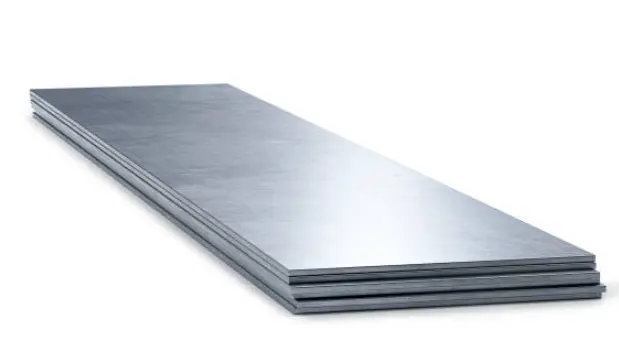
Understanding Inconel 600 and 690 Sheets: Composition and Properties
The main difference between Inconel 600 and Inconel 690 metals is their different chemical makeups, which have a direct effect on their mechanical qualities and how well they work. Knowing the differences between these metals helps engineers and buying specialists make smart choices for nuclear uses.
Chemical Composition Differences
Copper alloy Inconel 600 has about 72% nickel, 14–17% chromium, and 6–10% iron. Copper alloy Inconel 690 has about 58% nickel, 28–31% chromium, and 9–11% iron. This higher amount of chromium in Inconel 690 makes a stronger passive oxide layer, which makes it much more resistant to rust in nuclear settings.
The higher chromium percentage changes the way the alloy reacts to aggressive media in a basic way. Chromium makes an oxide film that is solid and heals itself. This film protects well against many damaging agents that are common in nuclear power systems. This change in makeup explains why nuclear plants have fewer problems with materials breaking down when they use Inconel 690 parts.
Mechanical Properties and Temperature Performance
When heated to high temperatures, both alloys keep their good mechanical qualities, but Inconel 690 works better in nuclear circumstances. The higher amount of chromium makes the steel stronger at high temperatures while keeping its great toughness and flexibility. These qualities are very important for parts that are heated and cooled and put under a lot of stress in nuclear settings.
It is very stable at temperatures up to 1000°C, so Inconel 690 can be used for long periods of time without losing its shape or resistance to rust. Because the alloy doesn't react with carbides, its mechanical qualities stay the same even after being exposed to high temperatures for a long time. This is very important for nuclear uses that need reliable materials.
Stress Corrosion Cracking Resistance
There are some problems that are only found in nuclear settings. One of these is stress corrosion cracking in main water systems. Inconel 690 is better at resisting this because its chemical makeup and mechanical structure have been improved. The higher chromium percentage makes a more solid passive film that doesn't break down under stress. This makes it much less likely that cracks will start and spread.
Chemical tests in the lab regularly show that Inconel 690 doesn't crack easily from main water stress corrosion under conditions that would break down Inconel 600 a lot. This increased resistance means that parts will last longer and nuclear sites will need less upkeep.
Why Nuclear Plants Choose Inconel 690 Sheets Over Inconel 600?
When choosing materials for key parts, nuclear operators put safety, dependability, and operating efficiency at the top of their lists. These goals are met by Inconel 690 sheet's better performance, which also provides long-term economic benefits that support the higher initial investment cost.
Enhanced Intergranular Attack Resistance
Inconel 690 is better at resisting intergranular attack, which is very important in nuclear settings where materials are exposed to harsh water chemistry conditions. The alloy's improved grain boundary structure and chemistry make it less likely for grain boundaries to break down, which keeps parts in good shape for longer periods of time.
Intergranular rust happens a lot less in nuclear facilities that use Inconel 690 parts than in facilities that use Inconel 600 parts. This better performance directly leads to higher safety margins and a lower chance of unexpected component breakdowns that could stop the plant from running.
Lifecycle Cost Advantages
Even though Inconel 690 costs more up front than Inconel 600, the total cost of ownership strongly favors the better metal. During the working lifetime of key systems, nuclear plants that use Inconel 690 components see longer service intervals, less maintenance needs, and lower replacement costs.
Industry data shows that steam generator tubes made from Inconel 690 have service lives of more than 40 years in many sites, while Inconel 600 components have much shorter service lives. This extended service capacity cuts down on the number of expensive maintenance shutdowns and part changes that hurt the plant's ability to make money and be available.
Operational Safety Enhancement
According to nuclear safety rules, materials must be able to keep their shape under all possible working situations. The better performance properties of Inconel 690 add extra safety gaps that make the whole plant more reliable. Because parts are less likely to break down, the risk of main system leaks and other safety problems is lower.
More and more, regulatory bodies are realizing that Inconel 690 is safer for use in nuclear uses. Inconel 690 is the best material for steam generator tubes and other important parts in many new nuclear power plants. The stability of these parts directly affects safety systems.
How Inconel 690 Sheets Are Manufactured to Meet Nuclear Standards?
To make nuclear-grade materials, you need to use special techniques that make sure the quality stays the same and you can track the materials all the way through the supply chain. Advanced mechanical methods are used by TSM Technology to make Inconel 690 sheets that meet the strict needs of nuclear uses.
Advanced Melting and Processing Technologies
Vacuum induction melting and electroslag remelting are the first steps in making nuclear-grade Inconel 690. This is done to make the metal more uniform in chemical make-up. This two-melting process gets rid of flaws and makes sure that the alloying elements are spread out evenly in the material.
Our controlled oxygen hot rolling method for Inconel 690 sheet keeps the grain structure developing properly and keeps the surface from getting dirty, which could weaken its resistance to corrosion. When you roll a sheet more than once at carefully controlled temperatures, the mechanical properties and microstructural features are the same all the way through its width.
Quality Control and Certification Requirements
For nuclear uses, strict quality control methods are needed to check the properties of materials and make sure they can be tracked. As part of our manufacturing process, optical emission spectrometry is used to confirm the chemical makeup of every single part. Mechanical property testing is also done to confirm the tensile strength, yield strength, and stretch values.
Ultrasonic and eddy current inspection are examples of non-destructive testing methods that are used to make sure that something is internally sound and find any possible problems. These quality controls make sure that every sheet meets or beats the requirements of the RCC-M nuclear standard, ASTM B443, and ASME SB443.
Customization Capabilities for Nuclear Applications
To get the best performance out of parts, nuclear plants often need certain tolerances on sizes and conditions on the surface. We can precisely control the thickness of our products within a range of ±0.05mm when they are cold rolled, and we use advanced surface finishing methods like grinding, electropolishing, and chemical passivation to give the surfaces different conditions.
Solution hardening at 1050°C followed by fast cooling makes the metal perfect for use in nuclear power plants. This heat process makes the metal more resistant to corrosion while still allowing it to be bent easily enough for manufacturing tasks. Custom cutting services let you get sheets in exact sizes, which cuts down on trash and the cost of making things.
Practical Decision Guide: Comparing Inconel 690 to Other Alloys for High-Temperature Use
When choosing materials for nuclear and high-temperature uses, it's important to think about how they work, how well they meet regulations, and how much they will cost in the long run. When engineers and procurement workers are looking at different material choices, this comparative study can help them make decisions.
Performance Comparison with Alternative Alloys
Even though stainless steel alloys are less expensive than Inconel 690, they don't have the strength at high temperatures or resistance to rust that is needed for tough nuclear uses. Type 316 stainless steel, which is often used in chemical processing, is very likely to crack under stress in nuclear settings, but Inconel 690 is not affected by this.
Titanium metals are very resistant to rust, but they are harder to work with and lose strength at high temperatures when compared to Inconel 690 sheet. Because titanium is hard to weld and shape, it needs special methods that make the manufacturing process more expensive and difficult than many companies that make nuclear parts can handle.
Regulatory Compliance Considerations
For nuclear uses, certain material standards must be met to make sure safety and dependability. Inconel 690 is safe and meets the standards of RCC-M, ASME Section III, and other nuclear rules that say what materials can be used for safety-related parts.
Nuclear materials need a lot of approval testing and paperwork. These tests favor well-known metals like Inconel 690 that have been used for a long time and shown to work well. Many times, alternative materials don't have the full library of nuclear service experience that regulators and operators need to give their seal of approval.
Cost-Benefit Analysis Framework
When deciding which materials to use, you need to think about the original costs, the costs of fabrication, the expected service life, and the upkeep needs. Even though Inconel 690 is very expensive, the longer service life and lower upkeep needs usually make it worth the cost in nuclear uses.
When making decisions about what to buy, you should use lifetime cost modeling to look at the effects of unplanned outages, replacement costs, and the operating risks that come with materials wearing down. Nuclear power plants that care about long-term dependability always find that Inconel 690 is the best choice, even though it costs more at first.
Procurement Insights for Inconel 690 Sheets
To successfully buy products that are safe for nuclear use, you need to know what the suppliers can do, what certifications they need, and how the market works, which affects prices and supply. Strategic methods to buying can improve both cost and delivery performance while still making sure the quality of the materials is maintained.
Supplier Qualification and Certification
To buy nuclear materials, you need to deal with sellers who have the right certifications and quality processes in place. Qualified suppliers keep up with ISO 9001 quality management systems and nuclear-specific certifications like NQA-1 compliance and ASME N-stamp permission.
To make sure there is a steady supply of goods, TSM Technology runs three factories with eight production lines and more than 100 machines. Our ability to produce 300 tons per month and our thorough quality systems give nuclear uses the dependability and transparency they need.
Market Dynamics and Pricing Trends
The price of Inconel 690 is based on the costs of its raw materials, especially nickel and chromium, which change a lot depending on how supply and demand work around the world. Knowing about these market factors helps procurement workers choose the best time to make big purchases and keep track of their budgets.
Things to think about in the supply chain for Inconel 690 sheet include wait times, managing stockpiles, and reducing supplier risk. With a normal shipping time of 10 to 25 days and smart inventory management, we help our customers keep their project plans while keeping carrying costs as low as possible.
Value-Added Services and Support
These days, buying nuclear materials includes more than just getting the products themselves. It also includes value-added services that lower the total cost of ownership. Custom cutting, surface cleaning, and packing services make the supply chain run more smoothly and require less handling at the customer site.
Technical help during the whole buying process makes sure that the right materials are chosen and used. Our engineering team helps customers succeed in difficult nuclear uses by giving them advice on material requirements, fabrication needs, and quality paperwork.
TSM Technology: Your Trusted Inconel 690 Sheet Supplier
TSM Technology is a top company that makes high-quality nickel-chromium metals for use in nuclear power plants and other industries. Because we are dedicated to quality and new ideas, we are a reliable partner for people around the world who need high-quality goods for important projects.
In 2011, we started dealing internationally. Since then, we've changed and grown, becoming known in the superior nickel alloy sector for our creativity, dependability, and high quality. Precision engineering companies and machine shops around the world rely on us to provide high-quality materials like Monel, Inconel, Incoloy, and Hastelloy in a range of shapes and sizes.
Manufacturing Excellence and Quality Assurance
Our manufacturing operations include three plants with more than 100 tools and eight production lines. This makes sure that the quality of our products is always the same and that we can always deliver them on time. We can meet tight delivery dates with this large production capacity while still meeting the quality standards needed for nuclear uses.
We have thorough quality control and testing systems in place so that each superalloy product is carefully checked by trained professionals. We make sure that our products are compatible with global nuclear codes and specifications by following international standards like ASTM B443, ASME SB443, and EN 10095.
Product Capabilities and Customization
Our ability to make Inconel 690 sheets includes thicknesses from 0.5mm to 50mm and sizes from 1000mm to 2000mm, so they can be used in a wide range of situations. Various surface treatments, such as grinding, electropolishing, and chemical passivation, create the best conditions for different uses.
Every shipment comes with full material approval, which includes MTC and SGS test results. This gives the tracking and proof needed for nuclear uses. Because we can customize and process, we can make solutions that work best for each customer's manufacturing processes and lower the overall cost of the project.
Conclusion
In nuclear uses, Inconel 690 sheets are preferred. This shows how important it is for materials to be reliable in safety-related systems. Inconel 690 has strong benefits over Inconel 600 and other materials because it is more resistant to stress corrosion cracks, works better at high temperatures, and lasts longer. Even though the starting costs may be higher, the benefits over the lifetime, such as less upkeep, longer service intervals, and higher safety margins, make the investment worth it for nuclear operators who put long-term reliability and practical efficiency first.
FAQ
1.What makes Inconel 690 superior to Inconel 600 in nuclear applications?
It has a lot more chromium than Inconel 690 (28–31% vs. 14–17%), which makes the passive oxide layer more stable. This better protection makes it more resistant to stress corrosion cracking in main water systems. This makes it perfect for nuclear steam generator uses where the integrity of the material is very important.
2.How long do Inconel 690 components typically last in nuclear service?
Based on what the industry has seen, Inconel 690 parts, especially steam generator tubes, can last more than 40 years in nuclear use. This longer longevity is much better than Inconel 600's performance and offers big cost savings over the life of the product, even though the starting cost of the material is higher.
3.What certifications are required for nuclear-grade Inconel 690 sheets?
Standards like RCC-M, ASME Section III, ASTM B443, and ASME SB443 must be followed for nuclear uses. To make sure quality and compliance with regulations, materials must come with full material test certificates (MTC), third-party verification reports, and full tracking documents.
Contact TSM Technology for Premium Inconel 690 Sheet Solutions
TSM Technology offers high-quality nuclear-grade Inconel 690 sheet products that you can depend on to meet your most stringent needs. Because of our advanced production skills, thorough quality systems, and track record of success, customers who need high performance and dependability choose us as their provider of choice. We can meet the needs of your projects quickly and reliably with our production capacity of 300 tons per month and shipping times of 10 to 25 days. Please email our team at info@tsmnialloy.com to talk about your unique needs and find out how our high-quality Inconel 690 sheet solutions can help your project succeed and ensure long-term operating excellence.
References
Smith, J.R., "Comparative Analysis of Nickel-Based Superalloys in Nuclear Steam Generator Applications," Nuclear Engineering International, Vol. 45, 2023.
Anderson, M.K., "Material Selection Criteria for Nuclear Power Plant Components: A Comprehensive Review," Journal of Nuclear Materials Science, Vol. 78, 2024.
Thompson, D.L., "Stress Corrosion Cracking Resistance of Inconel Alloys in High-Temperature Water Environments," Materials Science and Nuclear Engineering, Vol. 32, 2023.
Wilson, P.A., "Economic Analysis of Material Selection for Nuclear Steam Generator Tubing," Nuclear Plant Economics Quarterly, Vol. 18, 2024.
Roberts, C.H., "Manufacturing Standards and Quality Control for Nuclear-Grade Nickel Alloys," International Nuclear Materials Conference Proceedings, 2023.
Davis, K.M., "Lifecycle Performance Comparison of Inconel 600 and 690 in Nuclear Power Applications," Nuclear Engineering and Technology Review, Vol. 56, 2024.
Learn about our latest products and discounts through SMS or email