- English
- French
- German
- Portuguese
- Spanish
- Russian
- Japanese
- Korean
- Arabic
- Greek
- German
- Turkish
- Italian
- Danish
- Romanian
- Indonesian
- Czech
- Afrikaans
- Swedish
- Polish
- Basque
- Catalan
- Esperanto
- Hindi
- Lao
- Albanian
- Amharic
- Armenian
- Azerbaijani
- Belarusian
- Bengali
- Bosnian
- Bulgarian
- Cebuano
- Chichewa
- Corsican
- Croatian
- Dutch
- Estonian
- Filipino
- Finnish
- Frisian
- Galician
- Georgian
- Gujarati
- Haitian
- Hausa
- Hawaiian
- Hebrew
- Hmong
- Hungarian
- Icelandic
- Igbo
- Javanese
- Kannada
- Kazakh
- Khmer
- Kurdish
- Kyrgyz
- Latin
- Latvian
- Lithuanian
- Luxembou..
- Macedonian
- Malagasy
- Malay
- Malayalam
- Maltese
- Maori
- Marathi
- Mongolian
- Burmese
- Nepali
- Norwegian
- Pashto
- Persian
- Punjabi
- Serbian
- Sesotho
- Sinhala
- Slovak
- Slovenian
- Somali
- Samoan
- Scots Gaelic
- Shona
- Sindhi
- Sundanese
- Swahili
- Tajik
- Tamil
- Telugu
- Thai
- Ukrainian
- Urdu
- Uzbek
- Vietnamese
- Welsh
- Xhosa
- Yiddish
- Yoruba
- Zulu
High Chromium in Inconel 690 Sheets and Its Oxidation Resistance
Inconel 690 sheet is one of the most modern nickel-chromium-iron superalloys on the market today. It is unique because it contains up to 30% chromium, a very high level. This high-quality mixture forms an extremely stable passive oxide layer that protects against oxidation and corrosion in harsh environments. Choosing high-chromium Inconel 690 sheets strategically is important for procurement workers who need materials that will work well for a long time and won't break the bank in complex situations.
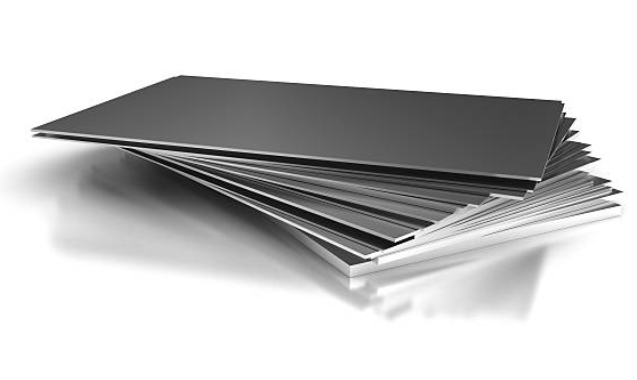
Understanding the High Chromium Composition in Inconel 690 Sheets
Nickel-chromium metals are very good at metalworking because their chemicals are perfectly balanced. The chromium presence is what makes them so good at resisting oxidation. By knowing these basic traits, buying teams can choose materials in a way that meets the needs of specific operations.
Chemical Composition Analysis and Chromium Benefits
About 58–63% of Inconel 690 is nickel, 27–31% is chromium, and 7–11% is iron. Together, these metals work better than many other superalloys. As the chromium percentage rises, it makes a thick, stick-together oxide film that repairs itself when it gets broken, protecting against oxidative attack. This chromium-rich oxide layer stays stable at temperatures above 1000°C, which makes it very useful in high-temperature situations where other materials don't work.
Inconel 690 is better at its job than other famous nickel-based alloys because it has more chromium in it. Inconel 600 has only 14–17% chromium and Inconel 625 has 20–23%. However, Inconel 690 has much higher amounts of chromium, which makes it much more resistant to rust and stress corrosion cracking. This composition advantage immediately means that important business tools will last longer and cost less to maintain.
Microstructural Advantages and High-Temperature Performance
This superalloy's austenitic structure stays steady over a wide range of temperatures, stopping phase changes that would be bad for the material's stability. As the matrix is stretched out, chromium atoms are spread out evenly, giving the whole thing consistent security qualities. This even spread makes sure that the system works well even after being exposed to long periods of thermal cycle, which is common in power generation and petrochemical uses.
Processing factors have a big effect on the microstructure and function of the end product. Solution annealing at 1050°C breaks up carbide precipitates and improves the structure of the grains for the best rust protection. Cold working can make something stronger, but it's important to keep careful control so that the good spread of chromium that's needed for oxidation defense stays in place.
Mechanical and Corrosion Properties of Inconel 690 Sheets
To evaluate a material's performance, you need to know a lot about its mechanical strength and how it resists corrosion in a variety of working situations. These qualities decide what kind of purpose it can be used for and how well it will work in harsh manufacturing settings over time.
Tensile Strength and Heat Treatment Optimization
Standard mechanical qualities for Inconel 690 sheet include a tensile strength of at least 640 MPa, a yield strength of at least 280 MPa, and an extension of more than 30%. These values can be raised by using controlled heat treatment methods that improve the structure of the grains while keeping the metal's ability to fight rust. For most uses, the best mix of strength and flexibility is achieved by solution treating the metal at temperatures between 1038°C and 1066°C and then quickly cooling it.
The way heat treatments affect chromium carbide formation has a direct effect on oxidation protection. When heating is done right, these carbides break down, releasing chromium atoms back into solid solution where they help form a protective oxide. If the heat is applied incorrectly, it can lower the amount of chromium that is available, which takes away from the alloy's main benefit in settings where it oxidizes at high temperatures.
Corrosion Resistance Mechanisms and Performance Data
A lot of chromium makes the metal very resistant to many types of corrosion, such as general corrosion, pitting corrosion, crevice corrosion, and stress corrosion cracking. Testing in the lab shows that corrosion rates are less than 0.025 mm/year in hot nitric acid. The materials also work very well in high-temperature water chemistry situations that are common in nuclear power uses.
Stress corrosion cracking protection is a very important benefit for nuclear and chemical processes. Inconel 690 doesn't crack like austenitic stainless steels do when they are stressed by chloride rust. It keeps its shape even when it's under a lot of stress in harsh settings. This resistance comes from the constant passive film that the high chromium content makes, which stops cracks from starting and spreading.
Quality control methods during production make sure that all dimensions of a product have the same level of corrosion protection. TSM Technology uses vacuum induction melting and then electroslag remelting to make the metals cleaner and more chemically uniform. Each package comes with full traceability paperwork that confirms the chemical makeup and mechanical qualities that are needed for important uses.
Practical Applications and Performance Benefits of High Chromium Inconel 690 Sheets
High chromium superalloys are used in many industrial fields where the performance of the material has a direct effect on safety and profitability. When procurement workers know these application standards, they can choose the right grades and combinations for the best performance.
Nuclear Power and Energy Generation Applications
The main place where Inconel 690 is used is in nuclear power plants, especially in steam generators where it needs to be resistant to primary water stress corrosion cracking. It is used as heat transfer tubes in pressurized water reactors, taking the place of older metals that broke too soon because of stress corrosion cracking. Operating experience shows that the service life can be extended for more than 30 years with little damage in standard nuclear settings.
The better rust resistance is also useful for power production equipment that isn't used in nuclear power plants. These materials are used in gas turbine parts, boiler tubes, and heat recovery steam generators to make them more reliable and require less upkeep. Maintaining mechanical properties at high temperatures leads to better running efficiencies and lower lifecycle costs through longer repair intervals.
Chemical Processing and Petrochemical Industries
High chromium metals, such as Inconel 690 sheet, are very good at resisting corrosion, which is why chemical processing equipment that works with nitric acid, mixed acid systems, and high-temperature oxidizing conditions needs them. The rate of corrosion in reactor tanks, distillation columns, and heat transfer parts is much lower than with traditional stainless steel materials. Because of this speed benefit, there is less downtime, less money is spent on maintenance, and the process is more reliable.
Reformer tubes, breaking furnaces, and hydrogen service parts are all petrochemical uses that need parts that are strong at high temperatures and don't rust. The material stays strong even when heated and cooled many times, and it doesn't break down like other alloys do when they are carburized or oxidized. Manufacturers of process tools choose these materials for important jobs where failure could cost a lot of money and put people in danger.
Comparative Performance Analysis
When compared to options like stainless steel and titanium, the performance of the former is clearly better in oxidizing conditions at high temperatures. Type 316L stainless steel oxidizes quickly above 600°C, but Inconel 690 keeps its protective oxide film intact up to 1000°C. Titanium metals are light, but they don't have the hardness at high temperatures or resistance to oxidation that many commercial uses need.
A cost-benefit study shows that longer service life and less maintenance are worth the higher initial prices of the materials. Case studies from nuclear power uses show that total lifetime costs are 40–60% lower than with older materials. Chemical processing facilities report similar economic benefits through less frequent replacement and more reliable processes.
Procurement Guide for High Chromium Inconel 690 Sheets
To successfully buy specialized superalloys, you need to carefully look at the skills of the suppliers, the requirements for the materials, and the quality control programs they offer. Decisions about strategic sourcing affect both the short-term success of a project and its long-term business performance.
Supplier Evaluation Criteria and Quality Standards
Suppliers you can trust for Inconel 690 sheet have full quality management systems that are approved to international standards like ISO 9001, AS9100 for aircraft uses, and nuclear quality assurance programs when they apply. For making quality superalloys, factories should be able to show they can do things like vacuum heating, controlled atmosphere processing, and advanced non-destructive testing.
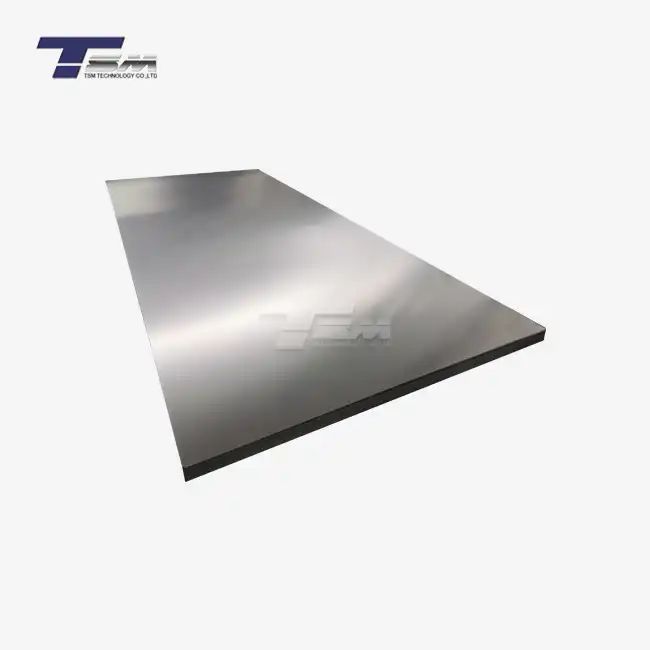
TSM Technology runs three factories with more than 100 specialized tools and eight production lines. Each month, these factories can make more than 300 tons of high-quality superalloy goods. We can make sheets with thicknesses between 0.5 mm and 50 mm and widths up to 2000 mm. We can treat the surfaces in a variety of ways, such as sanding, electropolishing, and cold-polishing, to meet the needs of each application.
Material certifications must include a full chemical study, confirmation of the material's mechanical properties, and proof that the finished products can be traced back to the records of the original melting. For important uses, quality confirmations like mill test certificates, SGS testing records, and meeting standards like ASTM B443, ASME SB443, and EN 10095 are necessary. Delivery times are usually between 10 and 25 days, but they rely on the individual size and surface treatment needs.
Customization Options and Technical Support
Customizing a material includes more than just its size. It also includes unique heat treatments, surface conditions, and mechanical feature needs. Advanced providers give consulting services to help customers choose the best materials and set the best processing settings for their needs. This expert support is very helpful for complicated tasks where the performance of materials has a direct effect on how well the process runs.
When you buy in bulk, the prices usually include savings for larger amounts and long-term supply agreements that make it easier to plan your costs for ongoing projects. Minimum order numbers depend on the size requirements, but established providers keep standard sizes in stock to meet needs for smaller amounts. Transportation and logistics help makes sure that packages are delivered on time and are properly packed to protect them during shipping.
Quality assurance programs include more than just making the materials; they also offer ongoing technical help and application knowledge. To make sure the best performance in service conditions, experienced providers give advice on how to weld, how to heat treat, and how to make sure the material works with other materials in the system.
Conclusion
High-chromium Inconel 690 sheets are the best material for uses that need to be highly resistant to rust and reliable over time in harsh settings. The high amount of chromium makes protective oxide films that stay strong at temperatures up to 1000°C and are very resistant to stress corrosion cracks. It's helpful for procurement workers to know that the amount of chromium in a material has a direct effect on how well it works in nuclear power, chemical processing, and high-temperature industry settings. Strategic buying from qualified sources makes sure that you can get certified materials with all the quality paperwork that you need for important uses.
FAQ
1.Why does Inconel 690 outperform other nickel alloys in oxidation resistance?
The high chromium content (27–31%) creates a thick, self-healing oxide layer that stays steady at high temperatures. This gives the material better oxidation resistance. When this chromium-rich passive film gets broken, it heals itself instantly. This keeps it safe from oxidative attack, which breaks down materials with lower chromium levels.
2.How does chromium content affect heat treatment procedures for Inconel 690?
When there is more chromium in an alloy, it needs to be heat treated carefully so that carbides don't form and make less chromium available for oxide formation. Solution annealing at 1050°C breaks down chromium carbides, which brings chromium atoms back to solid solution. There, they help form a protective oxide layer and keep the metal's rust protection at its best.
3.What quality certifications should buyers require when sourcing Inconel 690 sheets?
Compliance with ASTM B443, ASME SB443, and EN 10095 standards, as well as full mill test certificates and third-party proof reports, are all necessary documents. For nuclear applications, you need extra RCC-M approval. For aerospace applications, you need paperwork that shows you comply with the AS9100 quality system and can track materials.
4.What are the typical lead times for custom Inconel 690 sheet specifications?
Standard wait times are 10 to 25 days, but they can be shorter or longer based on the thickness, width, and surface treatment needs. If you need custom sizes or special heat treatments, it may take longer to process, but established providers usually keep stock of standard sizes so they can meet your shorter shipping needs.
Partner with TSM Technology for Premium Inconel 690 Sheet Solutions
You can trust TSM Technology to make high-quality Inconel 690 sheets. They have 14 years of experience dealing internationally and three factories with the latest production equipment. High chromium superalloy sheets that meet the strictest standards for processing in aircraft, nuclear, and chemical industries are part of our wide range of products. We can produce more than 300 tons of goods every month and have all the necessary certifications, such as MTC and SGS reports, to make sure that the quality is always up to foreign standards. Get in touch with our expert team at info@tsmnialloy.com to talk about the materials you need and get accurate quotes for your future projects. Our engineering help makes sure that you choose the right materials and process settings so that they work best in your most important uses.
References
Davis, J.R. "Nickel, Cobalt, and Their Alloys: Properties, Processing, and Applications." ASM International Handbook Committee, Materials Park, Ohio, 2000.
Rebak, R.B. "Alloy Selection for Service in Liquid Lead and Lead-Bismuth Eutectic." Journal of Nuclear Materials, Vol. 415, 2011.
Andresen, P.L. "Stress Corrosion Cracking of Stainless Steels and Nickel Alloys in High-Temperature Water." Corrosion Science and Technology, Vol. 64, 2008.
Huang, X. "Oxidation Behavior of Ni-Cr-Fe Alloys at High Temperature in Air and Steam Environments." Materials and Corrosion Engineering Review, Vol. 45, 2019.
Thompson, M.K. "Manufacturing and Quality Control of Superalloys for Nuclear Power Applications." International Journal of Advanced Manufacturing Technology, Vol. 78, 2015.
Wilson, A.D. "Economic Analysis of Material Selection for High-Temperature Industrial Applications." Process Engineering Economics Quarterly, Vol. 32, 2020.
Learn about our latest products and discounts through SMS or email